
Thailand introduces face biometrics verification to fight health sector fraud
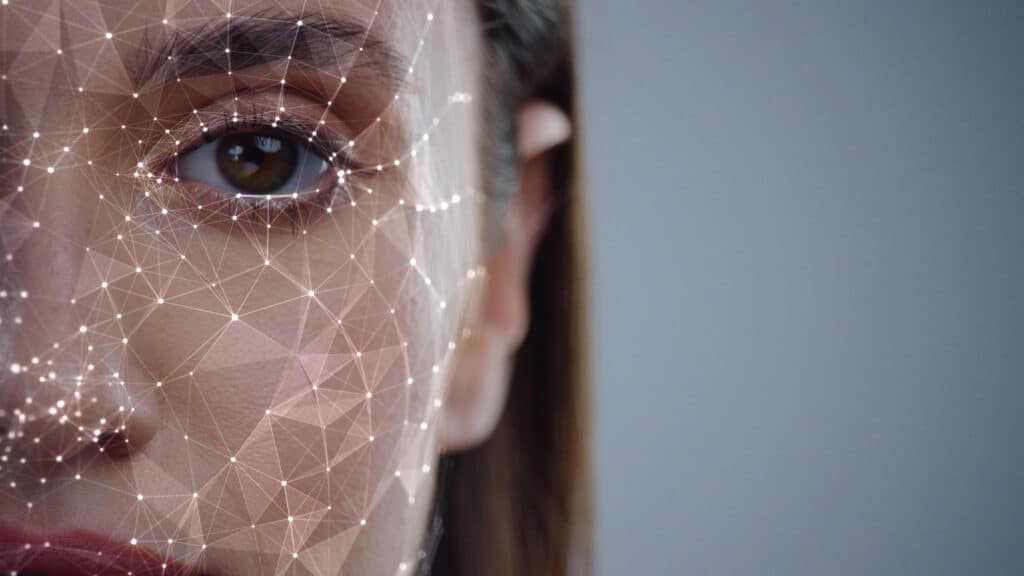
The government of Thailand is adding facial scans to the patient verification process within the framework of the country’s Universal Health Coverage (UHC) scheme.
Authorities say the move is to dislodge a fraud trend that is costing the state huge sums of money, and also improve efficiency in service delivery.
The move is expected to stop an estimated one billion Thai baht (approximately US$31 million) paid by the government in false claims annually.
The new system is linked with the national digital ID system where faces are verified against the population registry. Patients can use a QR code or their national ID to initiate a tablet-based face scan.
According to local reports, the measure introduced by the National Health Security Office (NHSO), went underway at the start of this week.
Bangkok Post quotes the government’s deputy spokesperson Aiyarin Phanrit as saying that all patients asking for UHC services must henceforth be verified using facial recognition technology.
The official explained that the system has been made available at more than 15,000 health facilities across the country, including at pharmacies, private clinics, and traditional medicine outlets which offer services under the UHC scheme.
More than 3,500 health facilities have updated their systems to align with the new requirement, the government says, and those who fail to comply within a given deadline will not be able to serve patients.
The NHSO Secretary General, Dr Jadej Thammatacharee, emphasized the importance of the new system, saying it shall be mandatory for all users and that those who fail to complete the face biometrics verification will not be able to have their payments processed.
At the end of last year, Thailand similarly announced tougher measures for online and mobile identity verification as a way to tackle the worrying spate of identity theft and fraud in the country.
Biometrics has been used in other countries to strengthen and streamline patient verification or fight health insurance fraud. In Kenya, the Social Health Authority (SHA) re-introduced a fingerprint-based system last year to combat fraudulent health insurance claims and payments.
Related Posts
-
 August 27, 2025
 -
 January 8, 2026
 -
 August 28, 2025
 -
 May 8, 2025
 -
 July 3, 2025
 -
 March 19, 2025
Article Topics
biometrics | face biometrics | health insurers | identity verification | medical insurance | patient identification | Thailand

Comments