
Myanmar elections draw attention to its digital surveillance record
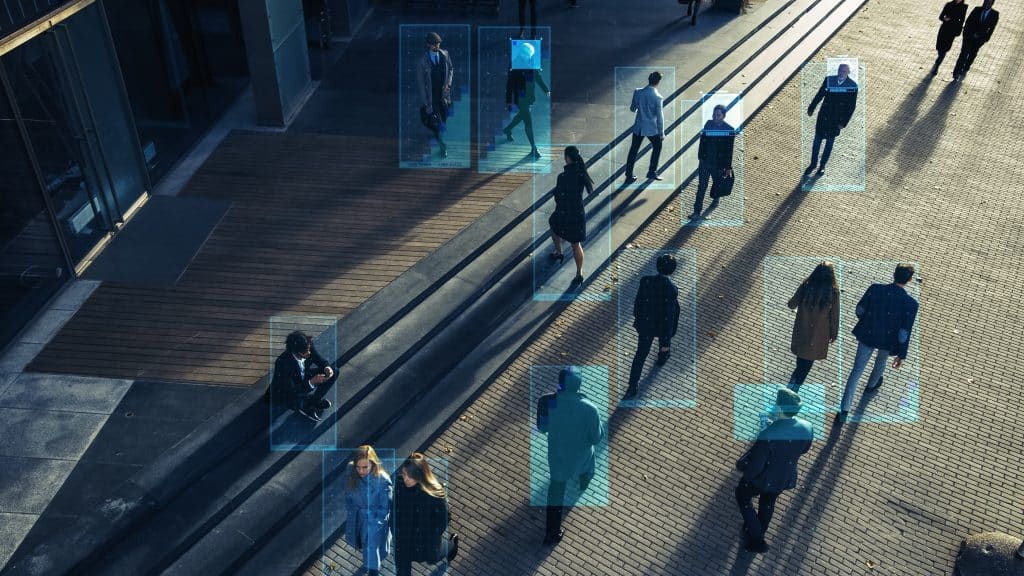
Myanmar’s widely criticized elections are drawing attention to the country’s digital surveillance systems, which rely on digital ID technology and facial recognition products supplied by Chinese and Indian companies.
The country’s military junta declared victory last week despite human rights groups and some Western countries declaring the election a sham. According to United Nations figures, at least 170 people were killed in military air strikes during the election period from December 28th to January 25th.
The UN is also accusing the military junta of relying on violence and threats to secure votes. Among the tools used for coercion are also digital ones.
In 2022, the military junta required all mobile users to register SIM cards again using their National Registration Card (NRC) numbers, full legal names, residential addresses, and facial photographs. The rule mandated in‐person verification or digital uploads of identity documents.
While the move was ostensibly done to curb fraud, organizations such as Human Rights Myanmar argue that the rule was implemented for surveillance purposes.
The following year, the country also started collecting biometric data for its electronic ID project, which involves countries such as China and India. The latter signed a Memorandum of Understanding (MoU) last year to collaborate on an eID pilot modelled after its digital ID system Aadhaar.
The rollout of biometric ID cards, containing fingerprint, iris and facial data, has enabled the creation of a centralised identity system which makes citizens easier to track, according to a paper published by Fulcrum, a magazine from the Institute of Southeast Asian Studies (ISEAS) – Yusof Ishak Institute in Singapore.
Since then, the country’s surveillance systems have gotten more sophisticated.
In 2024, the country deployed a tracking system called “Person Scrutinization and Monitoring System” (PSMS), which integrates digital identity cards and facial recognition software. The system, reportedly developed with Chinese support, enables authorities to cross-check national registration numbers against criminal records at checkpoints, hotels and ticketing counters.
In parallel, Myanmar has been investing into Safe City projects that use CCTVs, facial recognition software and other types of systems made by Chinese companies, such Huawei, Hikvision and Dahua, Reuters uncovered in 2022.
Repression and censorship continue to grow in the country, which is still experiencing turmoil and fighting, five years after the coup that brought down the country’s democratically elected ruling party, the National League for Democracy (NLD). Since seizing power on February 1st, 2021, the military junta has been imposing internet shutdowns and blocking sites like Facebook and independent news websites.
Last year, the country introduced its Cybersecurity Law, criminalizing the use of VPNs and penalizing users who access banned sites. Authorities have been stopping and searching people on the street and ordering them to unlock their phones.
Burmese citizens fear that the junta may even reach them beyond Myanmar’s borders.
Those who escaped the junta to live in India are required to hand over their biometrics for the Foreigners Identification Portal and Biometric Enrolment System, operated by India’s Ministry of Home Affairs (MHA). Many of them distrust Indian authorities who have maintained close relations with the Myanmar regime, according to The Wire India.
Related Posts
-
 March 31, 2025
 -
 August 25, 2025
 -
 July 3, 2025
 -
 October 6, 2025
 -
April 15, 2025
-
 March 31, 2025
Article Topics
biometrics | digital ID | facial recognition | Malaysia | national ID | surveillance

Comments