
London police transparency push raises more facial recognition concerns
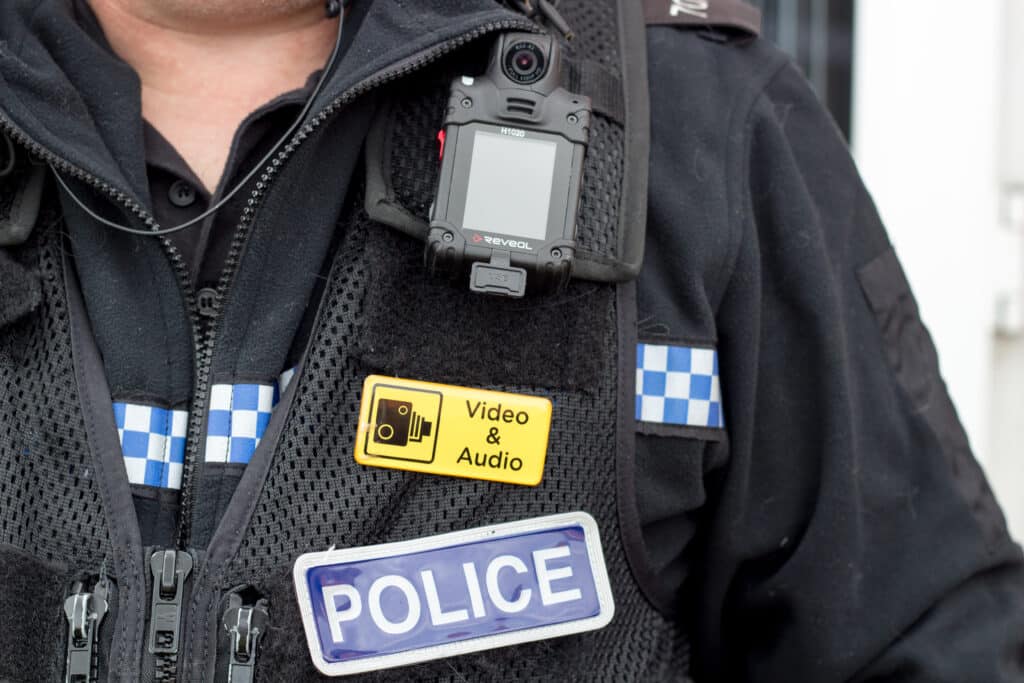
London’s Metropolitan Police will begin releasing more body-worn camera footage as part of a transparency initiative aimed at providing greater context around police incidents. The move, however, has renewed scrutiny of how bodycam footage is used within the UK’s growing facial recognition ecosystem.
The Metropolitan Police is revising the policy so that the public can see a full picture of incidents, it said on Monday. Videos from bodycams were previously only published after criminal proceedings, which sometimes take years to complete. The delay left the public relying on footage shared online by others, which sometimes only showed a partial picture.
“We are increasingly seeing videos posted online, which are selectively edited or show a short snippet of a longer interaction,” says Met Police Commander Neerav Patel. “Without the full picture, this undermines the work of our officers.”
The Met Police first tested body-worn cameras with a 500-officer pilot in May 2014, then deployed them force-wide to thousands of officers in October 2016. The recent decision comes after officers faced criticism over their use of force in viral videos filmed by bystanders.
The latest case involved last month’s Golders Green knife attack in London, in which a man stabbed two Jewish men. Apprehending officers faced criticism online, prompting the police to release the body-worn footage filmed by Axon Body cameras. A similar move was made after the far-right “Unite the Kingdom” protest earlier this month, which also featured live facial recognition surveillance.
“The public only sees a fraction of the incredible work that officers do each day, this new change in policy will allow them to see what we’re doing to keep them safe,” says Patel.
Former UK Biometrics & Surveillance Camera Commissioner Fraser Sampson said that the Met Police move is a positive development, provided that the publication of footage from bodycams is “sufficiently controlled and contextualised.”
“The police are usually criticized for being too slow or secretive in their publication of information,” Sampson told Biometric Update. “There will be some concerns that it may increase the public’s fear of crime or jeopardize a subsequent trial, but people posting selectively edited videos online can have precisely that same effect.”
Sharing reliable first-person POV footage is also more likely to build trust than withholding it, he adds.
Rights groups have previously raised concerns that police are misusing bodycams by switching them off or failing to disclose footage. The latest decision will increase transparency, according to the police.
“We also know there will be occasions where we haven’t got things right, and it’s important that we continue to be transparent in these instances so we can further rebuild the trust our communities have in us,” says Patel.
Other police forces in the UK are also experimenting with releasing more footage. West Mercia Police officers have decided to stream their bodycam footage as they patrol and allow viewers to watch it in real time.
Rights group questions interplay of body-worn cameras and facial recognition
Responding to the news, advocacy group Liberty warned that UK policies combine footage recorded on body-worn cameras with retrospective facial recognition. The group cited former Commissioner Sampson, who said in 2023 that a body-worn camera could help officers check hundreds, if not thousands of people.
“The Orwellian concerns of people, the ability of the state to watch every move, is very real and that needs to be addressed in any future regulatory framework about the state’s use of this technology,” the organization told the BBC.
Rights groups have also criticized the introduction of “operator-initiated facial recognition” (OIFR), a mobile app that allows police officers to photograph a person and check their identity.
Earlier this year, London police started testing the OIFR system, powered by NEC Neoface software. The software is being piloted by 100 Metropolitan Police officers for six months and features mobile biometric-matching technology that can be used during police stops.
Related Posts
-
 January 19, 2026
 -
 December 10, 2025
 -
July 4, 2025
-
 July 31, 2025
 -
April 22, 2026
-
 February 3, 2026
Article Topics
biometrics | body cam | facial recognition | live facial recognition | London Metropolitan Police | Operator Initiated Facial Recognition (OIFR)

Comments