
Privacy fears as Alberta unveils plan to add citizenship marker to ID documents
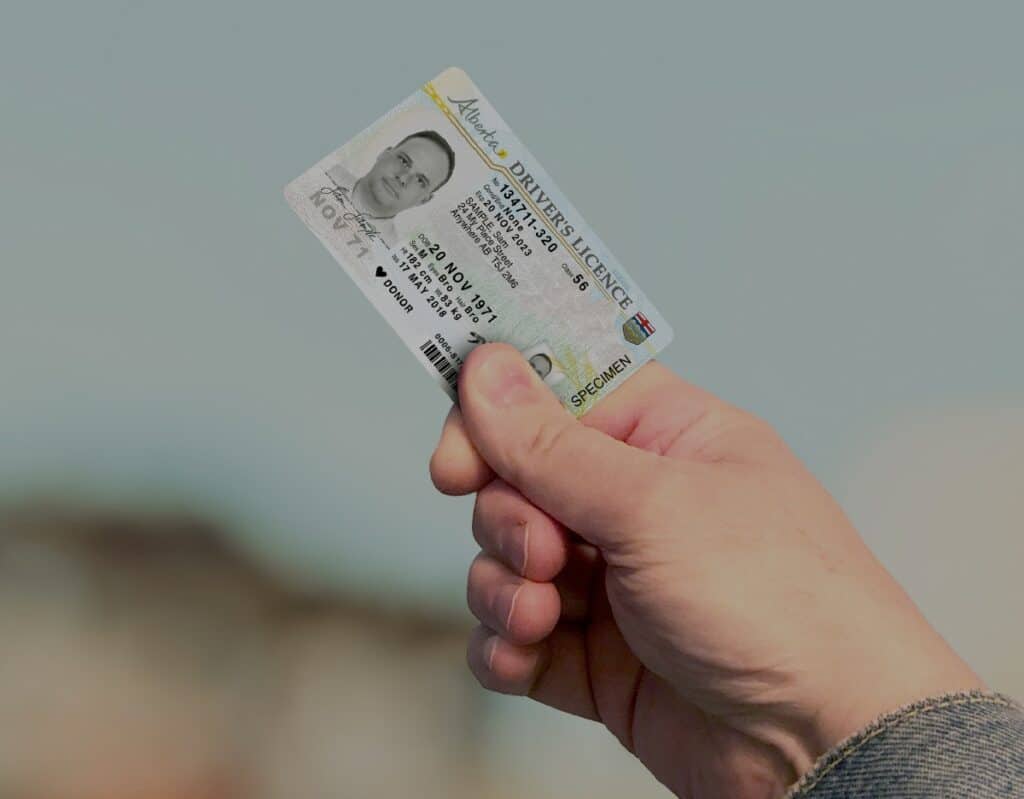
The Canadian province of Alberta has announced plans to include a nationality designation to driver’s licenses and other personal identification documents, but the move is facing reprobation from privacy rights and civil liberty advocates. The province also announced plans earlier this month to roll out an Alberta digital wallet and mobile health credential.
In a Canadian Press report, the Alberta Premier Danielle Smith is quoted as saying that the move is to fight election fraud and also streamline access to public and private services. The citizenship designation will read “CAN.”
She is also quoted as saying that the novelty will make it possible for students and people with disabilities to easily get government support given that they are required to prove their citizenship in order to get those benefits.
“By including citizenship information on these cards, we’re streamlining access to vital services, whether applying for student aid, accessing health benefits or supporting those with disabilities,” Smith told reporters, as quoted.
Apart from benefits, the citizenship marker, she added, will make it easier to ensure that that only Canadian citizens vote in the province.
“This helps safeguard the integrity of our electoral process and strengthens trust in our democracy,” she said, adding that health care numbers will also be added to driver’s licenses.
Service Alberta Minister Dale Nally defended the addition of citizenship markers and healthcare numbers to ID credentials, saying that won’t give room for discrimination as some claim.
Nonetheless, one NDP opposition critic Lizette Tejada has questioned the essence of the move, while the Institute for Canadian Citizenship CEO Daniel Bernhard asked how necessary it is and what problem it would effectively address.
In the meantime, the Canadian Civil Liberties Association has also spoken out against the move by the provincial government.
In a statement, the body warned that the action “poses a serious threat to equality rights, privacy, and civil liberties.”
Harini Sivalingam, director of the Equality Program at the association said “driver’s licenses are a critical form of primary identification and should not be repurposed as tools for immigration enforcement or health surveillance.”
“Forcing residents to display citizenship status on one of the most commonly used pieces of ID risks opening the floodgates to discrimination and profiling,” Sivalingam further stated.
Tamir Israel, director of the Privacy, Surveillance, and Technology Program, also warned of the surveillance risks of such a move.
“These measures effectively turn your routine ID into a tracking tool that fuses personal, legal, and health information in ways Albertans never consented to,” said Israel.
The association has thus called on the provincial government “to abandon this plan and instead prioritize measures that respect civil liberties, safeguard privacy, and uphold equality for all who call Alberta home.”
Related Posts
-
 September 17, 2025
 -
 November 7, 2024
 -
 July 9, 2025
 -
 January 16, 2025
 -
 June 4, 2025
 -
 June 10, 2025
Article Topics
Alberta | Canada | digital ID | driver's license | identity document | identity management

Comments