
Türkiye to prosecute dozens after forgery scandal involving stolen digital signatures
Trial will begin this week for suspects of a scandal in Türkiye that saw the production of hundreds of fake academic certificates and driver’s licenses after digital signatures were stolen from the country’s digital government system.
According to French radio RFI, the scandal, which has shaken the Turkish government, involves the fraudulent issuance of hundreds of academic certificates in diverse fields of study.
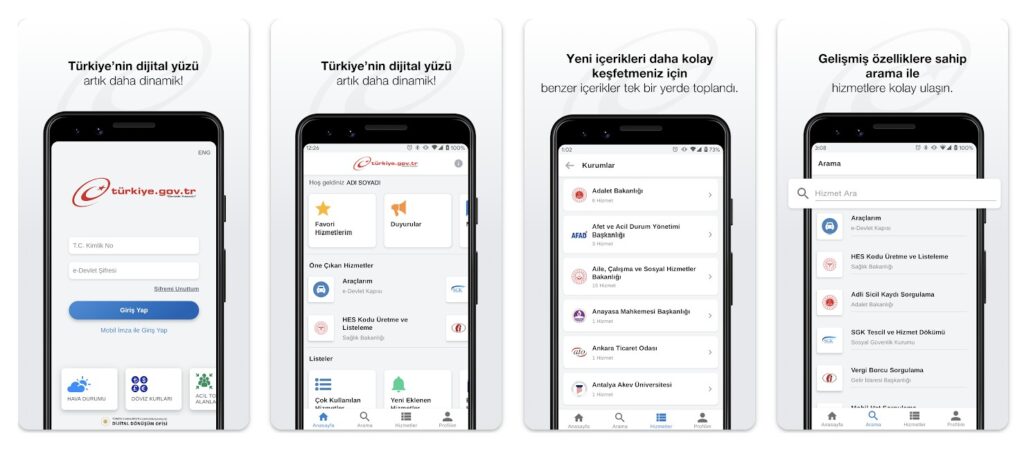
The signatures were reportedly stolen from the e-Devlet digital government platform which facilitates access to public services. One of those mentioned in the scandal is a business man who has won public contracts in the past.
The recent scandal has led to the arrest of nearly 200 members of an organized gang which is involved in the criminal activity, and they have been charged following a probe that was fronted by Ankara’s prosecutor’s office. Their trial is set to begin on September 12 in Ankara, RFI mentions.
This scam is described as being part of an organized crime which has rocked the country since about the year 2,000, with perpetrators producing fake university diplomas and driver’s licenses, enabling holders of these fake documents to get jobs in professional corps for which they are not qualified.
As RFI reports, two digital signature service providers accredited by the government have been accused of being involved in the scam. Reports say it is through these providers, Türktrust and E-imzatr, that fraudsters were able to access the signatures of about 30 public officials, which facilitated issuance of the forged documents in question.
Arrested suspects of the fraud could bag between five and 50 years in prison if found guilty of the different charges, the government prosecutor says. Government authorities say the investigations have led to the uncovering of dozens of fake diplomas and driver’s licenses.
The incident has sparked public concerns about the security of Türkiye’s digital government ecosystem as critics question the safety of the system and even the security of sensitive personal data in government’s hands.
The country has a history of major data leaks or identity theft incidents especially as it has a centralized national biometric data system.
In 2016, for instance, about 50 million citizens had their personal details leaked in a data breach, Global Voices recalls. Since then, other major similar incidents have led to calls for more robust cybersecurity, accountability and transparency measures by the Turkish government.
In the wake of these challenges however, the government has been working to strengthen its digital security architecture through blockchain and biometrics.
Related Posts
-
 May 22, 2025
 -
 July 16, 2025
 -
 May 12, 2025
 -
 February 6, 2025
 -
 February 21, 2025
 -
 August 19, 2025
Article Topics
AI fraud | digital government | digital ID | e-Devlet Kapısı | electronic-signature | mDL (mobile driver's license) | Turkiye

Comments