
South Korean testing authority adds palm vein biometrics to certification program

South Korean officials are adding a sixth biometric modality to the national performance testing and certification program. Korea Internet & Security Agency (KISA) on Monday announced the inclusion of palm vein biometrics in the program starting this month.
KISA noted the trends towards multi-modal biometrics and contact to contactless authentication, and says it is expanding and reorganizing its testing regime proactively to respond to these and other industry developments.
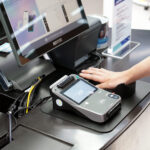
Palm vein is a contactless biometric modality that is hard to forge and highly accurate, and therefore in demand, particularly from the financial services sector, KISA says. The addition of palm vein biometrics to KISA’s program gives businesses domestic assurance of their effectiveness.
KISA operates the Korea National Biometric Test Center, which certifies biometric anti-spoofing technologies, fingerprint, finger vein and iris biometrics, facial recognition, and now “dorsal hand vein recognition.” For hand vein biometrics, devices must return an equal error rate (EER) of 1 percent for fixed and 1.5 percent for dynamic deployments matching against three out of four databases constructed for the test, the organization explains.
Union Biometrics was certified to KISA’s standard for fingerprint presentation attack detection (PAD) earlier this year.
“We newly added the palm vein category to match the market situation in which biometric technology is rapidly advancing and diversifying,” says KISA Information Security Industry Division Head Oh Jin-young, as translated by ChosunBiz. “We will continue to actively reflect industry demand to enhance the global competitiveness of domestic biometric technology and spare no support so the biometric industry can take another leap forward.”
Related Posts
-
 January 23, 2025
-
 April 25, 2025
-
 October 1, 2025
-
 March 4, 2025
-
 September 10, 2025
-
 November 5, 2024
Article Topics
biometric testing | biometrics | certification | Korea | Korea Internet & Security Agency (KISA) | Korea National Biometric Test Center | Korea Testing Laboratory (KTL) | palm biometrics | palm vein biometrics

Comments