
Facewatch FRT records twice as many UK retail alerts in 2025
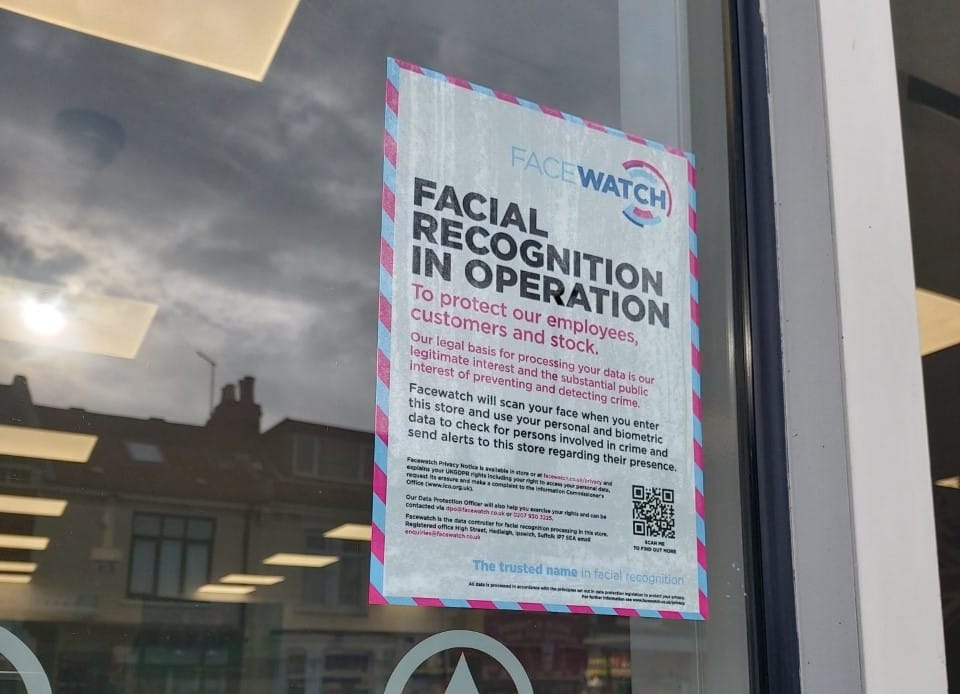
Facial recognition technology is catching more repeat offenders in UK shops. A press release from London biometrics firm Facewatch says its on-premises live facial recognition monitoring sent 516,739 real-time offender alerts to subscribed retailers in 2025, up from 252,943 alerts in 2024, marking an increase of more than 100 per cent year-on-year.
“On a daily basis, Facewatch now sends an average of 1,415 alerts a day, compared with 693 per day in 2024,” says the release. In December, the number of alerts sent in one week hit a new record, with 14,885 sent in the seven days leading up to Christmas Eve.
The system issued live facial recognition alerts with an average response time of nine seconds, enabling frontline retail staff to take rapid preventative action.
Nick Fisher, CEO of Facewatch, refers to the “industrial scale” of retail crime, with “levels of theft and aggression that would have been unthinkable a few years ago.”
“The fact that alerts have more than doubled in a single year reflects both the growth in repeat and organized offenders and the reality that retailers are under pressure to act faster, smarter and more collaboratively to keep employees and customers safe.”
Repeat offenses driven by organized shoplifting gangs
The issue of repeat offenders is a lodestone for live facial recognition firms, which need people to identify against their database. Crime statistics are cooperating. The British Retail Consortium has said retail crime is “spiralling out of control,” as numbers show record highs in shoplifting, leading to significant losses for retailers. According to the BBC, shoplifting offences recorded by police in England and Wales were up 13 percent from January to June 2025, with 529,994 instances recorded by the Office for National Statistics (ONS).
Most shoplifting cases in the UK don’t lead to convictions. Few legal consequences have emboldened organized crime, which has seized the opportunity, working in groups and hitting stores one after another – so-called “shoplifting entrepreneurs.”
This, says Fisher, makes fast advance warning a necessity for keeping workers safe. “Retail crime has become faster, more organised and more brazen. Retailers need tools that move at the same pace. Real-time alerts are now a core part of that response.”
Related Posts
-
 August 26, 2025
 -
September 4, 2025
-
 June 19, 2025
 -
November 4, 2025
-
 October 20, 2025
 -
 October 29, 2025
Article Topics
biometric matching | biometrics | criminal ID | Facewatch | facial recognition | retail biometrics

Comments