
Palm biometrics gain ground in healthcare, payments and blockchain
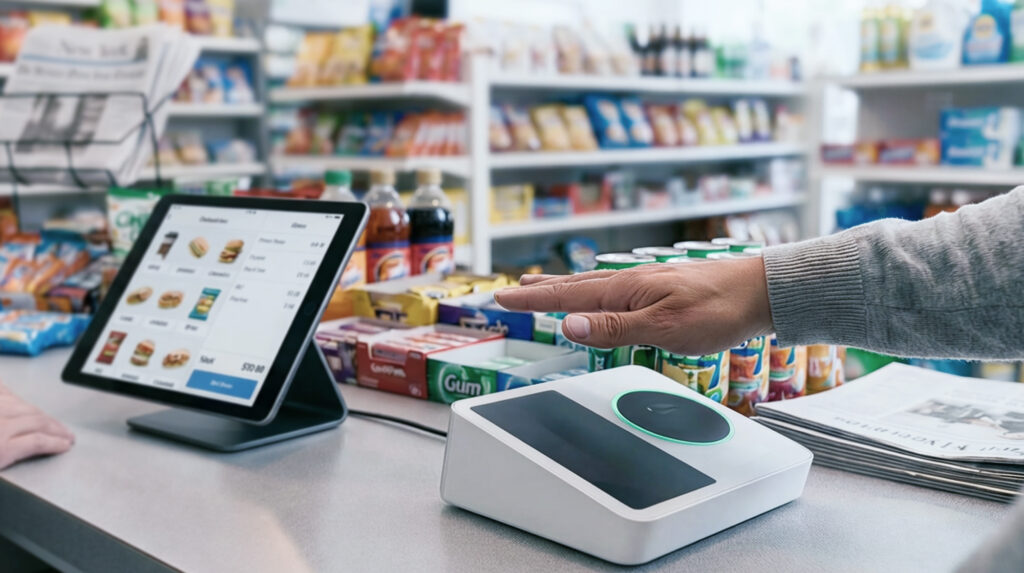
Palm-based biometrics may have had a setback but real-world deployment remains ongoing. In Hong Kong, clinics are adopting palm verification for patient check-ins, while a Brazilian fintech is bringing the technology to its home market for payments and the Web3 community is testing palm authentication for identity verification on a large-scale blockchain network.
Tencent, in partnership with Bupa Hong Kong, has rolled out a palm verification system across 20 private healthcare clinics. It’s one of the first deployments of palm-based biometric check-ins in the city’s healthcare sector.
Branded as “Express Check-in” the system is now available at designated Bupa clinics. Three major centers in Central, Tsim Sha Tsui and Admiralty feature palm-scanning kiosks powered by Tencent’s PalmAI technology. Other clinics in the network are offering QR code-based check-in as an alternative.
“By leveraging Tencent’s advanced PalmAI technology, which integrates dual biometric authentication using both palm print and palm vein patterns, we are enabling a secure, contactless, and truly frictionless check-in experience,” says Steven Choi, general manager of Tencent Cloud Hong Kong and Macau.
Bupa patients place their hand over a scanner for instant verification, eliminating the need for ID cards or physical interaction with staff. The technology is designed to improve security and hygiene while reducing check-in times.
Bupa Hong Kong’s chief customer, data and digital officer Yvonne Leung noted that the service is integrated with the company’s Blua Health app, allowing patients to access care without physical documents.
Tencent’s PalmAI is also on its way into the business payments market in Brazil, through a partnership with fintech Treeal.
The partners say Tencent’s palm biometrics have a false acceptance rate (FAR) below one in a billion and a false rejection rate (FRR) of 0.01 percent, or 1 in 100,000. Identity verification takes only 300ms, according to the announcement.
Treeal CEO João Santos says Brazilians are known for early adoption of innovation, and predicts palm biometrics could become “mainstream” within the next five years.
“This is a market known for its innovation appetite, and we believe this technology will play a key role in shaping the future of secure, frictionless transactions — not just in payments, but across smart access and urban mobility,” says Tencent Cloud Director of AI Global Commercialization Eric Li.
Last week, Amazon announced it will discontinue the use of its Amazon One palm biometric payment system across retail businesses. Amazon One users will still be able to pay with their palms until June 3, while some locations may end the service before this date.
The end of the palm recognition experiment comes as Amazon retreats from physical retail. The ecommerce giant also said it would close all 72 of its Amazon Go and Amazon Fresh stores in the U.S. The firm will instead focus on Whole Foods Market locations and grocery delivery.
The company added that the service “will continue to be available to patients for check-in at existing healthcare locations until further notice.” Amazon started introducing the technology to healthcare facilities last year.
Web3 crypto community introduces palm-print biometrics authentication
Pi Network has announced technical updates that expand access to its Mainnet and KYC processes, while introducing palm print authentication as a new biometric feature.
The palm print authentication feature, entering beta testing, is designed to complement existing liveness and identity checks by offering an alternative to facial recognition. Pi suggests potential applications in account recovery, password resets and two-factor authentication.
The Pi Network said: “Pioneers who already require multiple face liveness checks or identity re-checks, palm prints could potentially be used as part of broader authentication and security flows.” It added that the beta feature will be released soon in Pi KYC to a subset of Pioneers and will then undergo further evaluation.
Almost 2.5 million users previously blocked due to compliance checks have now been migrated, and another 700,000 are expected to gain access to KYC applications in the coming weeks. Pi reports that 16 million users have now migrated to Mainnet, making it one of the largest identity-verified blockchain networks.
Related Posts
-
 March 4, 2025
 -
 September 10, 2025
 -
January 11, 2026
-
 April 25, 2025
 -
November 3, 2025
-
 November 28, 2025
Article Topics
biometric authentication | biometric liveness detection | biometrics | identity verification | palm biometrics | palm vein biometrics | Tencent | Tencent PalmAI

Amazon and some other large U.S. firms have retreated from biometrics in the past, but their actions don’t influence everyone.