
NIST updates biometric data exchange format standard
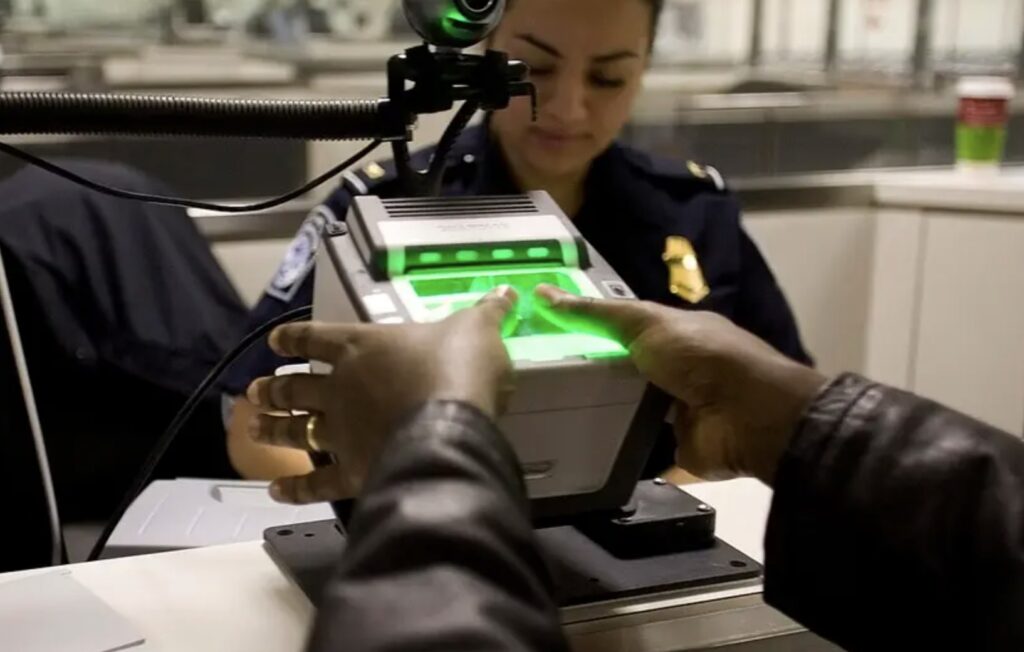
NIST has released an updated standard format for the exchange of machine-readable biometric data by law enforcement, border control and other government agencies operating automated biometric identification systems (ABISs).
The 621-page NIST SP 500-290e4, “Information Technology: Data Format for the Interchange of Fingerprint, Facial and Other Biometric Information,” updates the 2015 update of ANSI/NIST-ITL 1-2011. It was composed by a team from the Biometric Technologies Group within the Information Access Division of NIST’s Information Technology Laboratory.
The update is intended to deliver full machine-readability across biometric data formats, as part of a broader shift towards sharing data through digital channels rather than using document formats. It increases precision through added metadata, and further standardizes the structure of records to improve their interoperability. Many of the changes in the revision are referred to in the change log as “clarified text.”
“Law enforcement, criminal justice agencies, border control, and other organizations that process biometric data use the standard to exchange identity data such as images of fingerprints, palm prints, plantars, faces, iris, DNA, and other body parts including scars, (needle) marks and tattoos (SMT),” the document summarizes.
Eight working groups were born out of a workshop in February, 2023. They worked on the encoding and tooling, friction ridge, contactless, face, DNA, voice, JSON/XML/NIEM encoding, Type-1 and overall aspects of the update.
Type-1 refers to a mandatory record that always comes first in a biometric data transmission in the standard format.
A wide variety of stakeholders were canvassed for the 2025 update, including representatives of agencies from several countries, and from biometrics vendors including Idemia, IDLoop, Integrated Biometrics, NEC, Thales and Veridium.
Related Posts
-
 March 24, 2026
 -
 January 13, 2026
 -
 September 30, 2025
 -
 July 10, 2025
 -
 May 14, 2025
 -
 September 8, 2025
Article Topics
ABIS | biometric data | biometric data quality | biometric identification | biometrics | data exchange platform | NIST

Comments