
St. Lucia launches authentication framework to ease access to digital public services
Eastern Caribbean nation St. Lucia has launched a centralized national identity management system which it calls the National Authentication Framework (NAF).
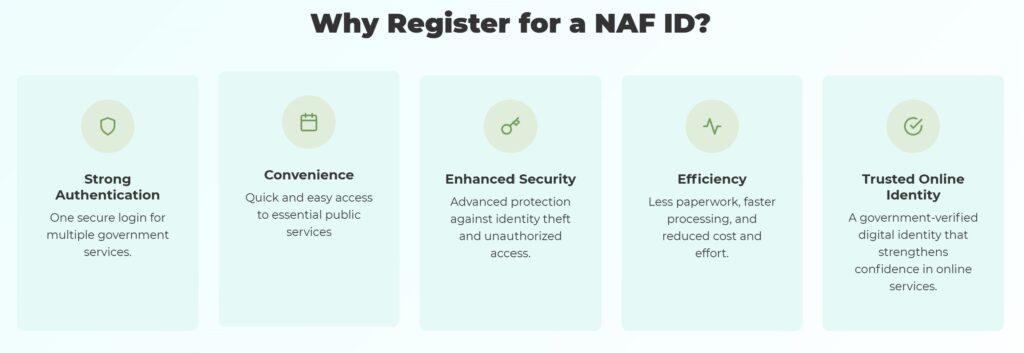
According to the government, the primary objective of the platform is to make it easier for citizens and legal residents to access public services in a secure single sign-on manner and also to substantially enhance digital trust.
The NAF, launched last week, has been described by authorities as a major step in the country’s digital transformation journey, and will enable citizens to access multiple government services safely and seamlessly using one verified digital ID.
The NAF digital ID, which can be accessed via the DigiGov portal or a soon-to-be-launched mobile app, will allow users to interact securely with the entire government ecosystem.
In a statement, the Ministry of Public Service, Transport, Information and Utilities described the system as “a significant milestone in public sector innovation and reflects the Government’s commitment to delivering secure, citizen-centered digital services.”
Speaking at the launch, Agosta Degazon, Cabinet Secretary in the Office of the Prime Minister, reiterated that the core objectives of the NAF are to strengthen identity management across all government ministries, protect citizens’ personal data and reduce identity fraud, enable seamless and secure access to digital public services, and put an end to siloed government systems through a unified authentication system. He underscored the importance of the NAF for citizen transactions, saying it simplifies the citizen experience.
“A single verified identity will enable access to multiple Government services through DigiGov, whether applying for a Birth Certificate, renewing licences, registering businesses, or making an online payment. No multiple credentials, no fragmented systems, no inconsistent standards. NAF protects, but it also empowers,” Degazon said.
The Minister of the Public Service, Hon. Stevenson King, described it as a defining moment in St. Lucia’s national development journey and a major milestone on the country’s digital transformation agenda.
“Today, we are establishing a foundational pillar for the future delivery of public services and for the modernisation of governance in St. Lucia. Successful modernisation requires a shift in how we think and plan for the future,” King said. He added that the NAF is central to enabling St. Lucia achieve its vision of being the most technologically driven small island developing state by 2030.
What was launched recently is NAF for Citizens and Residents, the first of a three-phased NAF infrastructure. The second phase will be NAF for Businesses and Companies intended to uniquely identify and authenticate businesses interacting with the government, while the third will be NAF as a Service which will allow private sector entities like banks, insurance companies, and utilities, with appropriate consent and legal frameworks, to leverage the NAF for their own Know Your Customer (KYC) processes.
The NAF launching ceremony was also marked by a panel discussion on the theme “Data sovereignty and the future of digital citizenship.”
An awareness campaign to drive adoption of the NAF is ongoing and those who register within the first week of March stand a chance of winning prizes including tablets and mobile phones. The NAF was soft launched last November, which paved the way for registration.
St. Lucia is part of a regional effort by Eastern Caribbean nations to establish a common biometric ID that will facilitate movements and strengthen regional trade.
Digital inclusion progress
St. Lucia is also reported to be making progress in other aspects of digital transformation such as connectivity efforts.
According to the digital inclusion survey results results released last month by the Eastern Caribbean Telecommunications Authority (ECTEL), the country has a high rate of connectivity with 83.2 percent of households having access to broadband internet, and 90.6 percent of individuals having gone online.
There is also a high ownership rate of mobile phones at 94 percent, with 92 percent of them being smartphones, which suggests a potentially high digital adoption rate.
The survey also showed a low rate of ecommerce in the country, with just 28 percent of respondents saying they purchased a good or service online.
The advancements notwithstanding, the survey also showed unevenness and digital gaps which need to be closed.
Related Posts
-
 March 27, 2025
 -
 July 29, 2025
 -
 July 18, 2025
 -
 January 2, 2026
 -
 April 21, 2025
 -
January 21, 2026
Article Topics
Caribbean | digital government | digital ID | digital identity | identity management | identity verification | KYC | National Authentication Framework | Saint Lucia | single sign-on

Comments