
Meta’s facial recognition smart glasses plan sees increasing opposition
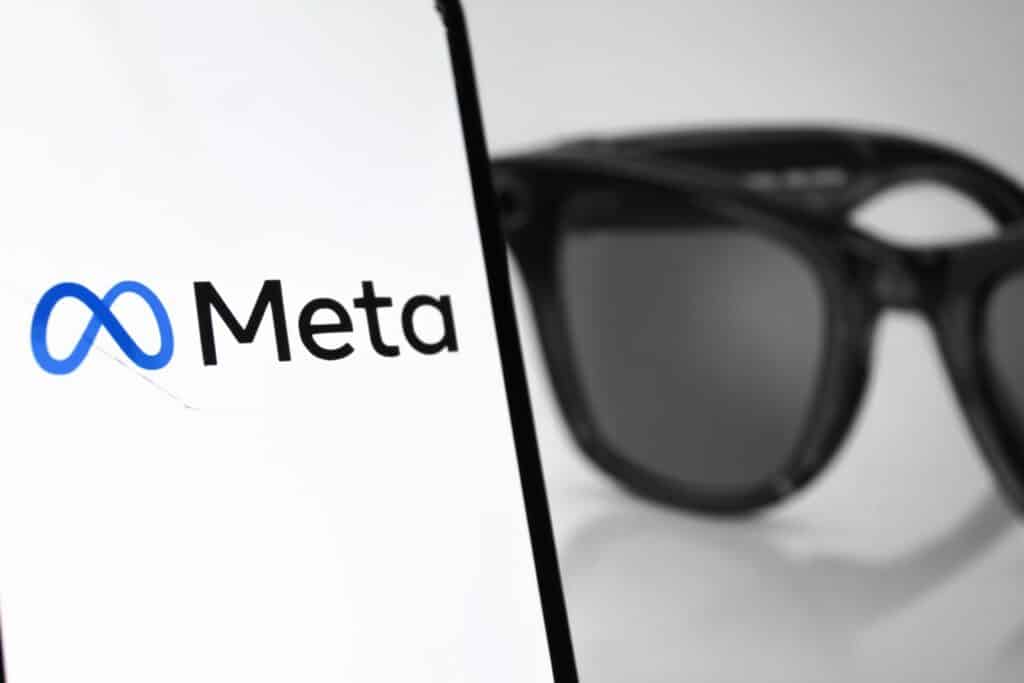
More than 60 civil society groups, led by the Consumer Federation of America and UltraViolet Action, have written to the U.S. Congress to oppose Meta’s reported plans to integrate facial recognition into its smart glasses. The groups say that adding the technology to Meta Ray-Bans would harm both users and the public, calling it a “creepy and unacceptable escalation of surveillance.”
The letter cites a recent investigation by Swedish media, which uncovered that Meta subcontractors in Kenya were data-labeling videos taken through the smart glasses, including footage of bathroom visits, sex and personal information such as bank accounts.
Another report from 404 Media discovered that the LED light that illuminates when users take photos or videos can be easily disabled. Women have been recorded without knowledge or consent, with footage then posted on social media, resulting in online trolling.
“Those recordings – many of which contain highly sensitive content – are at risk of being shared, sold, breached, and weaponized against people of all political parties, genders, and ages. Add facial recognition to that mix, and the threat of weaponization increases exponentially,” the letter notes.
The organizations add that the smart glasses provide “ammunition” to scammers, blackmailers, stalkers, child abusers and authoritarian regimes. The letter was signed by the Center for Digital Democracy, Electronic Privacy Information Center, Mothers Against Media Addiction (MAMA) and other organizations.
Meta’s reported plan to roll out facial recognition capabilities for its smart glasses was uncovered earlier this year. According to an internal memo obtained by the New York Times, the feature, called “Name Tag,” would be rolled out as early as this year, allowing users to identify people and receive information about them through Meta’s AI assistant.
The memo also stated that the launch would be timed during a “dynamic political environment” in which many civil society groups would have resources focused on other concerns.
The revelation has predictably caused a backlash, including calls for a Federal Trade Commission (FTC) investigation. In March, a group of senators sent a letter to Meta CEO Mark Zuckerberg asking the company to explain how it would obtain consent, handle biometric data, test for bias, and prevent misuse if it goes forward with implementing facial recognition.
Meta has until April 6th to respond.
The tech company is simultaneously facing pushback from U.S. courts over its Instagram and Facebook social platforms.
A New Mexico jury recently fined Meta US$375 million after finding it liable for child safety failures. A separate ruling by a California court ordered the firm to pay $6 million in damages to a woman who claimed that the design and operation of its platforms caused addictive behavior and harm.
Related Posts
-
 February 13, 2026
 -
May 9, 2025
-
February 20, 2026
-
 March 17, 2026
 -
 May 30, 2025
 -
 February 3, 2026
Article Topics
biometrics | facial recognition | Meta | Meta glasses | smart glasses | U.S. Government

Comments