
Minister restates mandatory nature of digital ID for Nigerians
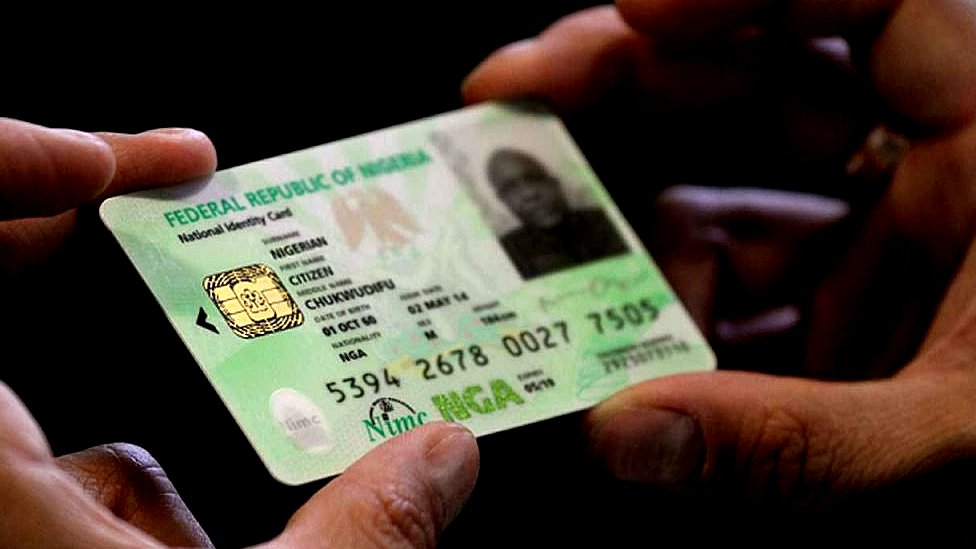
Nigeria’s Minister of Communication and Digital Economy, Ali Isa Pantami, has re-stated the need for every Nigerian to register for a national identification number (NIN), saying the biometrics-backed digital ID is crucial for the security of the country, according to local reports.
Pantami made the call during a recent lecture at the Federal Technical College of Education in the city of Gombe on the theme “Deployment of emerging technology to enhance the security of tertiary institutions in Nigeria.”
The Minister spoke about the challenges that have stood in their way as far as the digital ID project is concerned, but insisted that the federal government is poised to carry on with it, given its importance not only for crime reduction, but also the growth and development of the country, Punch reports.
The difficulties notwithstanding, he expressed delight that more and more institutions — especially tertiary education establishments and even the country’s immigration service — are embracing the NIN as the official tool of personal identification.
Stressing the importance of the NIN, Pantami said it would even be a good idea for Nigerians to present their digital ID before they access restaurants or other public spaces for security purposes, Sahara Reporters writes.
“When I came up with the policy, they wrote more than 44 petitions against us just to stop it. Some of them to Mr. President; some of them even court cases. On that policy alone, some people suspected to be criminals took the federal government to at least seven courts all over the country,” the outlet quoted him as saying.
“I do hope that in order to secure our country in the next few years, even if you want to enter a restaurant, you must verify your NIN,” he added.
Pantami also stated that he believes the NIN is like the social security number in the United States, the national insurance number in the United Kingdom, the Aadhaar in India or the SANED number in Saudi Arabia without which you cannot work or access certain public services.
The Director General of the National Identity Management Commission (NIMC) said recently that at least 67 million Nigerians have obtained the NIN and they hope to reach the 200 million target in the next few years.
Could biometrics help curb human trafficking?
Beyond the crime-reduction potential of the national digital ID system, an opinion article published by Punch has suggested that biometric technology, along with tools based on artificial intelligence, big data, blockchain and the Internet of Things can be used to curb the growing trend of human trafficking on the African continent and across the world.
The writer, tech entrepreneur Chukwuemeka Fred Agbata Jr., notes that although the same technology is also used to perpetrate or facilitate the crimes themselves, it “can still be used as a force for good, helping to curtail the activities of human traffickers and also bringing them to justice.”
He posits that while apps or satellite imagery can help identify trafficking victims, methods such as facial recognition and visual processing software can be used to search for photos and videos of victims trafficked for sexual exploitation. Facial recognition technology, he added, can empower law enforcement officers to identify potentially matching photos of traffickers from a database.
“This will aid investigators in finding human trafficking victims and apprehending their captors… To prevent more innocent people from going through the nightmare, technology companies have a major role to play in combating human trafficking,” he writes.
Article Topics
Africa | biometrics | criminal ID | digital ID | digital identity | fraud prevention | identity document | identity management | identity verification | national ID | National Identity Number (NIN) | national security | Nigeria

Comments