
Cabo Verde’s CRVS-ID reforms drive near-universal birth registration
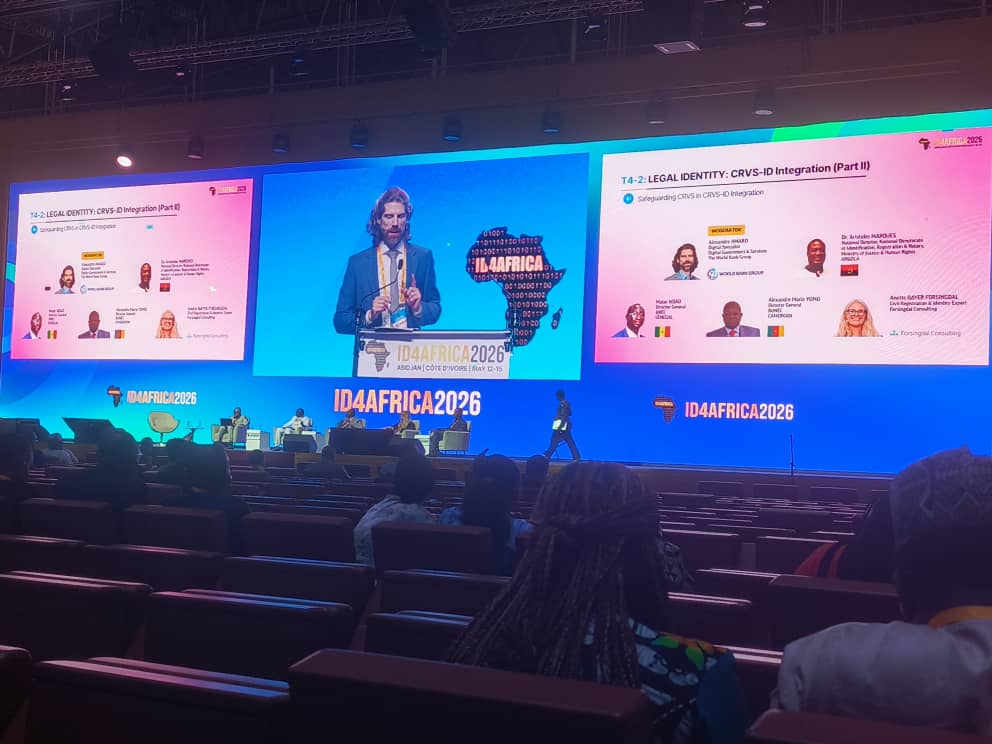
Cabo Verde has increased birth registration to 99 percent within five years after linking its civil registration and national identity systems through a governance-led digital identity modernization effort centered on interoperability, institutional reform and digital trust infrastructure.
In five years, the Island nation with just over half a million citizens was able to launch an interoperability platform Autentika which enabled it to reach 99 percent birth registration and 100 percent registration of deaths that occur in health facilities. Every child born is issued a Unique Identification Number at birth.
Within the same period, the government also made it possible for its diaspora to access digital identity services, which is a vital step for a country where thousands of its citizens live abroad.
The country showcased this success through a presentation during the ID4Africa 2026 AGM which took place in Abidjan last week.
Vânia Pereira, executive administrator of the Institute for Justice Modernization and Innovation of Cabo Verde (IMIJ), explained in her presentation that the country did not attain that near-universal birth registration feat by chance. IMIJ is the body that oversees digital innovation initiatives within the country’s Justice Ministry, which also has control over legal identity matters.
Cabo Verde’s success, Pereira said, is as a direct result of determined and coordinated reform of its civil registration and national identity systems.
Before the linkage reforms, civil registration coverage stood at about 91 percent, with fragmented systems and weak institutional coordination limiting further progress.
How things changed
Pereira said the reforms combined political commitment, institutional alignment, interoperability standards, cybersecurity investment and national capacity building rather than relying on imported identity models unsuited to local conditions.
The philosophy that drove those reforms was not just technical but governance-led, and includes efforts to improve legal frameworks, data protection, and the building of citizen trust through investment in cybersecurity and digital trust infrastructure.
Cabo Verde’s experience offers several lessons which other counties can emulate, according to Pereira. One of them is that countries must do one thing at a time and not try to rush over all processes at once. Other considerations she mentioned include the fact that institutional alignment is as important as technology; just as is long-term political and financial commitment to the cause, interoperability with robust security and audit mechanisms.
Cabo Verde’s experience reflects a broader shift across Africa toward integrating civil registration, foundational identity systems and digital public infrastructure as governments seek to improve service delivery, inclusion and trust in digital systems.
What’s next
The next phase of reforms aims to consolidate existing databases into a more unified architecture, expand digital identity-enabled public services and position the national ID system as the backbone of a broader trust and authentication infrastructure.
Future reforms also include strengthening technical sustainability, developing long-term financing models for identity services, expanding the use of digital identity credentials across public services and deepening cross-agency interoperability and collaboration.
UNICEF CRVS and legal identity specialist Bhaskar Mishra said Cabo Verde demonstrates how CRVS-ID integration can accelerate progress toward universal legal identity targets.
As more African governments pursue digital public infrastructure strategies, Cabo Verde is increasingly being viewed as a model for how governance, interoperability and legal identity systems can be aligned to support national digital transformation.
Related Posts
-
 November 12, 2025
 -
 May 22, 2025
 -
 June 27, 2025
 -
 June 12, 2025
 -
 May 16, 2026
 -
 May 19, 2025
Article Topics
Africa | Autentika | birth registration | Cape Verde | CRVS | digital ID | ID4Africa | ID4Africa 2026 | identity management | legal identity | SDG 16.9 | UNICEF

Comments