
Buenos Aires’s facial recognition system to be examined by court
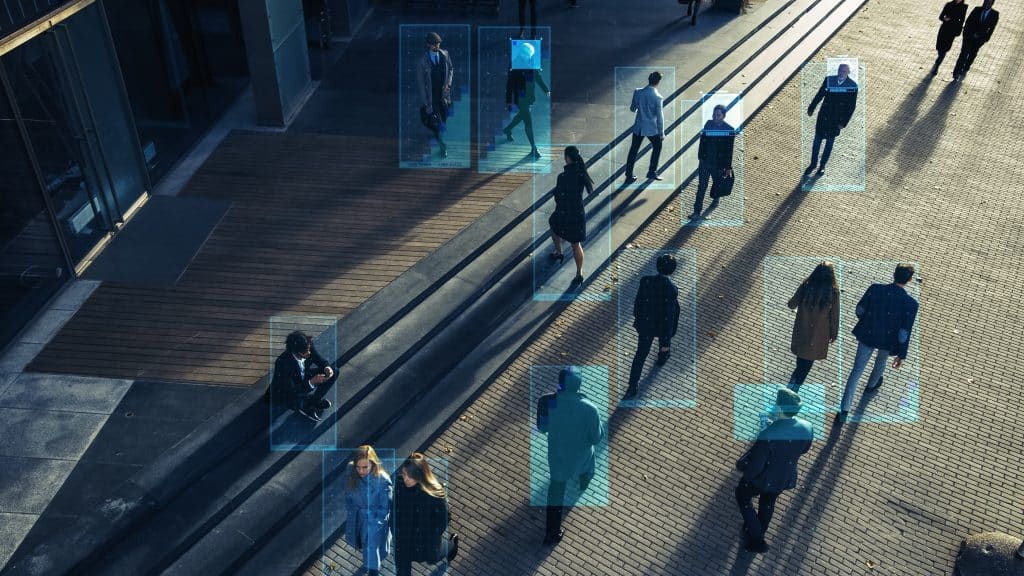
Buenos Aires’ notorious facial recognition system, which has been deployed to track journalists, politicians and activists, is due to be examined by a court next Wednesday. The hearing is set to determine the conditions under which the currently suspended system could resume operations, according to the non-profit organization Via Libre Foundation.
The Fugitive Facial Recognition System (SNRP) was introduced by the Argentinian capital’s government in 2019 to identify fugitives under the then Minister of Security and Deputy Head of Government, Diego Santilli. The technology was installed by Danaide S.A., with facial recognition technology reportedly supplied by NtechLab.
In 2022, however, it was uncovered that the system has been used to monitor public figures and fed data from people with no criminal record. Argentine national security agencies gained irregular access to the biometric records of seven million people, including the president and Argentinian Supreme Court members.
In a separate investigation, Wired reported that 140 errors in the facial recognition database have led to arbitrary police checks or arrests.
Local activists succeeded in a legal challenge to keep the system off in 2022, including organizations such as the Argentine Computer Law Observatory (ODIA), the Center for Legal and Social Studies (CELS) and the Vía Libre Foundation. During its suspension ruling, the court instructed that the system should comply with a series of requirements, including submitting to an audit, establishing a control mechanism and performing an impact assessment on the privacy of the system.
In July, the coastal resort city of Mar del Plata announced plans to deploy live facial recognition in public, and a desire to use the fugitive database.
Related Posts
-
 March 22, 2024
 -
 June 21, 2024
 -
 January 5, 2024
 -
 August 26, 2024
 -
 May 20, 2024
 -
 November 8, 2023
Article Topics
Argentina | biometric identification | biometrics | Buenos Aires | facial recognition | video surveillance

Comments