
SSA reverses in-person identity verification course again
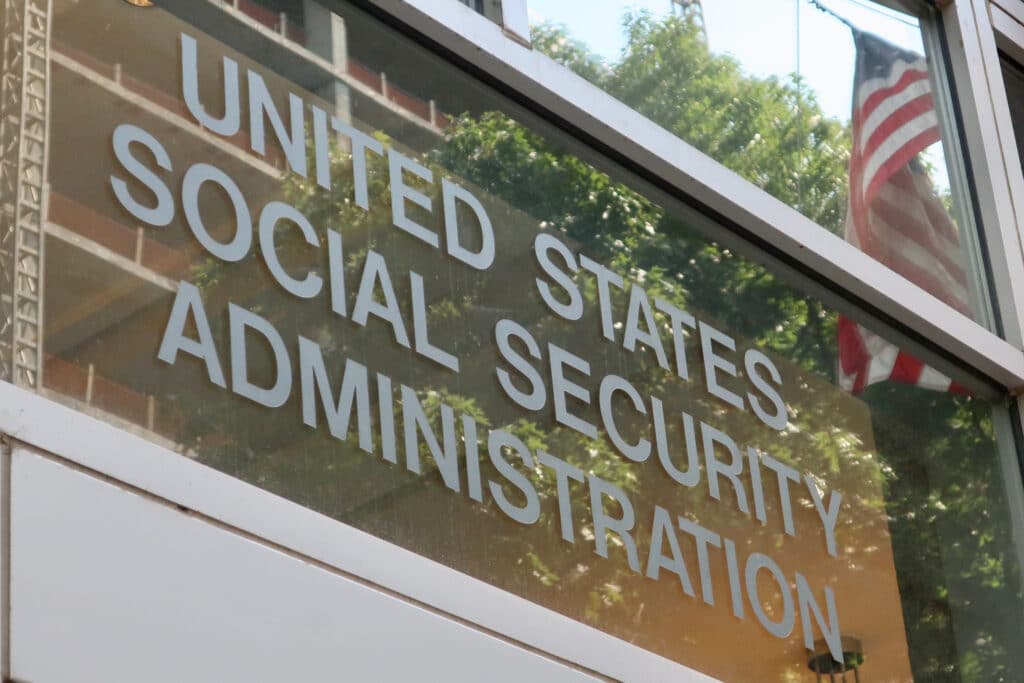
Following intense public outcry and mounting political pressure, the Social Security Administration (SSA) – beleaguered under Elon Musk’s so-called Department of Government Efficiency – has once again reversed another controversial policy decision that would have restricted certain applicants from filing for benefits over the phone. Now, SSA announced Wednesday, all claims can continue to be conducted by phone.
“We have listened to our customers, Congress, advocates and others, and we are updating our policy to provide better customer service to the country’s most vulnerable populations,” said acting SSA Commissioner Leland Dudek.
The original policy, announced in March, was scheduled to take effect on April 14, and would have required individuals applying for retirement, survivors, or auxiliary benefits such as those for a spouse or a child, to verify their identity in person at a Social Security field office if they were unable to use the agency’s online platform, My Social Security. This change, according to SSA officials, was introduced to enhance identity verification protocols and reduce the risk of fraud.
However, the move drew furious backlash from a wide array of stakeholders, including advocacy groups for seniors and people with disabilities, policy analysts, and members of Congress. Their central concern was that the in-person identity verification requirement would disproportionately affect elderly applicants living in rural or underserved areas, and people with mobility or transportation challenges.
The Center on Budget and Policy Priorities released data indicating that approximately 6 million seniors reside more than 45 miles round trip from the nearest SSA office, highlighting how burdensome this requirement could be for many active and potential beneficiaries.
The timing of the initial policy shift drew stinging rebuke, as the SSA has been grappling with staffing shortages and long wait times at field offices due to DOGE firings of SSA employees and the shuttering of local offices across the nation. Critics argued that eliminating phone-based applications for some claimants would exacerbate access issues rather than alleviate them.
Moreover, the exemption of applicants for Social Security Disability Insurance (SSDI), Medicare, and Supplemental Security Income (SSI) from the new in-person requirement was viewed by some as an acknowledgment of the impracticality of a blanket in-person policy. The public response included petitions, open letters from advocacy organizations, and pointed questions from lawmakers, many of whom pressed the SSA to reconsider the change during hearings and press briefings.
Facing this growing outcry, SSA announced on April 9 that it would no longer proceed with the policy as planned. A spokesperson confirmed that the agency will now continue to allow all claim types – including retirement, survivors, and auxiliary benefits – to be initiated and processed over the telephone, marking a notable policy reversal that is aimed at preserving equitable access to benefits while addressing security concerns through other means.
To balance its original goal of preventing identity fraud with the necessity of accessible service delivery, SSA plans to introduce a new layer of anti-fraud oversight for phone-based applications starting April 14.
Under this revised approach, phone claims will still be subject to identity verification protocols, but if a claim is flagged for potential fraud or irregularities during this process the applicant will then be required to verify their identity in person. This conditional system is designed to safeguard against fraudulent filings while avoiding blanket restrictions that could limit access for legitimate beneficiaries.
“Individuals who are not flagged will be able to complete their claim without any in-person requirements. We will continue to conduct 100-percent ID proofing for all in-person claims,” SSA said, stressing that “telephone remains a viable option to the public.”
The response to the reversal has been largely positive among advocacy groups. The Alliance for Retired Americans and other organizations applauded SSA for listening to public concerns and adjusting its plans accordingly. Many of these groups have stated they will continue monitoring the implementation of the new anti-fraud measures to ensure they do not create indirect barriers to access, especially for marginalized populations.
“We are grateful that our voices were heard,” said Richard Fiesta, executive director of the Alliance for Retired Americans. “Forcing millions of seniors and people with disabilities to rely solely on an understaffed network of closing field offices or an online-only system would have placed an unreasonable burden on vulnerable people and done little to curb fraudulent claims.”
The fiasco has underscored the complex balancing act that federal agencies like SSA must navigate while maintaining the integrity of benefit programs through robust fraud prevention while also ensuring that essential services remain accessible to all who need them. It also highlights the power of public feedback and advocacy in shaping federal policy, especially when vulnerable populations are at risk of being adversely affected by bureaucratic changes.
Related Posts
-
 April 17, 2024
 -
 September 8, 2024
 -
 April 12, 2024
 -
 May 24, 2024
 -
 July 18, 2024
 -
 March 19, 2025
Article Topics
fraud prevention | government services | identity verification | social security | Social Security Administration (SSA) | U.S. Government

Comments