
Nepal to proceed with new biometric passport contracts as Idemia loses legal challenge
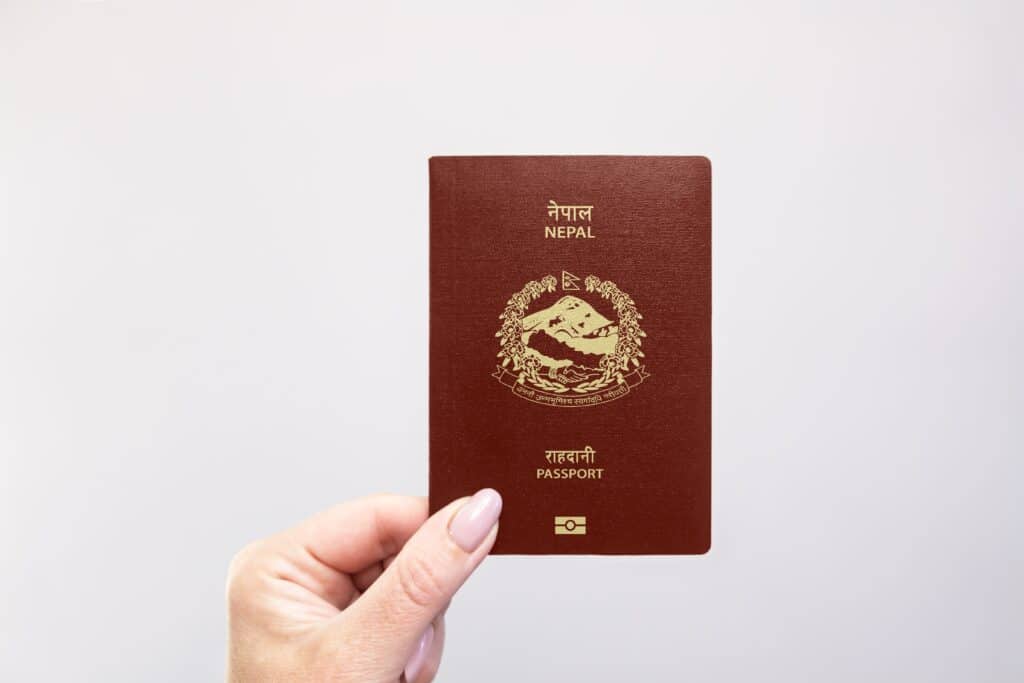
The Nepalese government has invited Mühlbauer and Veridos to sign their contracts with the Department of Passports (DOP) following clearance from the country’s Supreme Court for the deal to go ahead, The Himalayan Times reports.
The contracts which have to do with the supply and management of a new biometric passport system were awarded to the two German firms early last month, but the process was challenged by Idemia Smart Identity over alleged irregularities.
Both German companies had their bids chosen over that of Idemia Smart Identity which held the passport contract until then. Per the contract terms, Veridos is expected to supply 6.4 million biometric passports, while Mühlbauer is supplying the eMRTD (electronic Machine-Readable Travel Document) system to support the issuance, management, and verification of passports and other secure travel documents.
Idemia picked holes in the tender process, citing what it called “critical administrative and technical non‑compliance” issues. It also claimed that the evaluation committee members faced undue pressure which may have led to the altering of the final results, that there were missing files in the winning bids, as well as issues around currency exchange discrepancies.
Idemia then filed a complaint with the DOP, asking for redress, but the department’s response was not deemed favorable. This prompted the firm, which was recently acquired by IN Groupe, to seize Nepal’s Public Procurement Review Committee (PPRC) on the matter. A parallel public interest litigation was also filed with the Supreme Court.
The PPRC rejected Idemia’s challenge saying the complaint had no merit, and that the $560,000 bid security it paid be forfeited and channelled into the country’s Inland Revenue Office.
The decisions from the PPRC and the Supreme Court mean that the German companies will proceed with the signing of their contracts within a period of two weeks, and that has been programmed for early August. The new passport production is expected to begin from February next year.
This marks the denouement of a process that puts an end to Idemia’s contract with the Nepalese government which has been in place since 2010. The government says the new contract will save it around $12 million, compared to Idemia’s previous pricing.
Related Posts
-
 June 23, 2025
 -
 August 2, 2024
 -
 November 4, 2024
 -
 June 23, 2025
 -
April 1, 2025
-
 August 12, 2024
Article Topics
biometric passport | digital ID | government purchasing | IDEMIA | Mühlbauer | Nepal | Veridos

Comments