
Malaysia’s MyKad ID card to get upgraded security
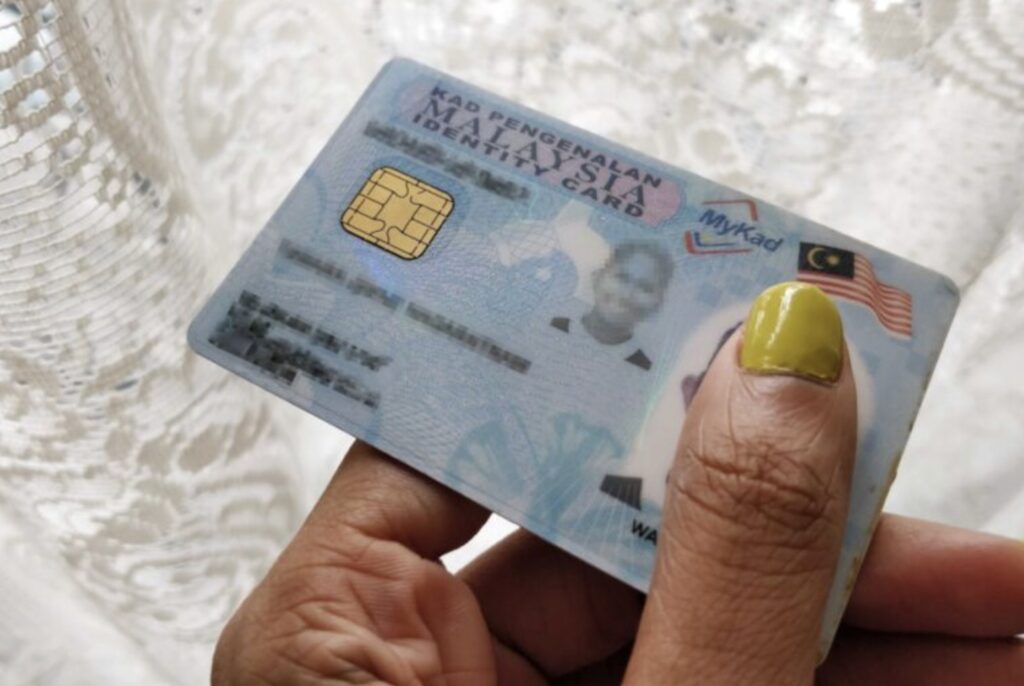
Malaysia’s MyKad ID system will see a new version with enhanced security features, as a senior official comments on the distinction between MyKad and MyDigital ID.
Speaking to Bernama, National Registration Department (JPN) Director-General Badrul Hisham Alias said the new MyKad version is in the final phase of development. MyKad is the country’s physical national ID.
The Ministry of Home Affairs recently extended a contract it has with partner NextG, known formerly as Datasonic Group Bhd, that includes the supply of raw cards and consumables for MyKad. NexG has been the main technology supplier for Malaysia’s MyKad national ID project for more than a decade.
Four versions of the national ID have been introduced since MyKad launched in 2001, as one of the seven signature applications that formed the Multimedia Super Corridor (MSC) initiative, with the latest update coming in 2012.
While not fully digital, MyKad supports various digital applications including driving licenses, basic health data and e-wallets. In Malaysia’s public healthcare system, MyKad enables identity verification, helping to manage medical records, track vaccinations, and facilitate access to public hospital services, Badul Hisham explained.
The latest card version includes a chip with more advanced security. “It’s important to understand that this is not a security chip per se, but a chip with built-in security features,” Badul Hisham said. “This chip can only be read, written, and recorded by the JPN’s approved systems. While the chip is also used in other industries, its usage in MyKad is tightly controlled.”
The director-general said that only approved devices with JPN’s source code can access MyKad data, and data sharing is only allowed for specific purposes like improving public services or research, as it’s regulated for data confidentiality and security, with approval needed from the JPN Director-General. Badrul Hisham said the card complies with international standards ISO/IEC 7810 and 7816 and is “very hard” to counterfeit.
The new MyKad version has increased chip capacity, up to 124 or 128KB from the previous 84KB, allowing support for digital applications like payments, health records and banking. But Badrul Hisham noted that “many agencies” have ceased using MyKad in their systems, such as JPJ (Malaysia’s road transport department), and that interest in using MyKad as a core service delivery platform has diminished among government agencies.
However, the director-general believes MyKad will retain relevance even as the government puts far greater emphasis on MyDigital ID, which forms a pillar of the country’s digital transformation.
“Even in other countries with digital systems, physical ID cards still play a role,” he said. The National Registration Act 1959 governs MyKad but amendments to the act are being worked on to enable digital applications. “Our goal is to provide fully end-to-end services, including digital services,” Badrul Hisham said.
Standard uses for MyKad in Malaysia include basic ID verification, for hospital or toll or parking payments, and for receiving financial aid. MyKad serves as an integrated database for targeted aid and subsidies, said Dr. Umi Hamidaton Mohd Soffian Lee.
Senior lecturer at the Faculty of Economics and Muamalat, Universiti Sains Islam Malaysia, Dr. Umi said the card’s security features can prevent duplication, making it an efficient key for targeted subsidies such as for fuel at fuel stations. However, she advised improving the strength and security of the card, noting incidents where the security chip is unreadable or the card itself breaks down. She also said digital technology infrastructure should be improved in rural areas.
Head of the Faculty of Data Science and Computing at Universiti Malaysia Kelantan, Dr. Nor Alina Ismail highlighted the potential of blockchain for MyKad. She said blockchain could be utilized to transform MyKad into a digital identity wallet, integrating personal data like digital certificates, mDLs, health records and ID data in a single chain of identity.
While a legal framework, secure digital infrastructure and strong privacy protection would be needed for full implementation, blockchain could enable cross-sector use and smart contracts, she said. The high initial cost and the requirements for digital infrastructure could mean a hybrid approach is the case for this decade, Dr. Nor said, with MyKad existing as both a digital and physical system before becoming a fully blockchain-based digital identity, “once the nation’s technological and legal ecosystem is truly ready,” she said.
Related Posts
-
 October 15, 2024
 -
August 30, 2024
-
 January 16, 2025
 -
 December 9, 2024
 -
 December 2, 2024
 -
 December 10, 2024
Article Topics
biometric identification | biometrics | financial services | government services | ID verification | identity document | identity verification | Malaysia | MyKad | national ID | NexG Bhd

Comments