
Ghana brings in Trust Stamp to build tokenized digital ID infrastructure
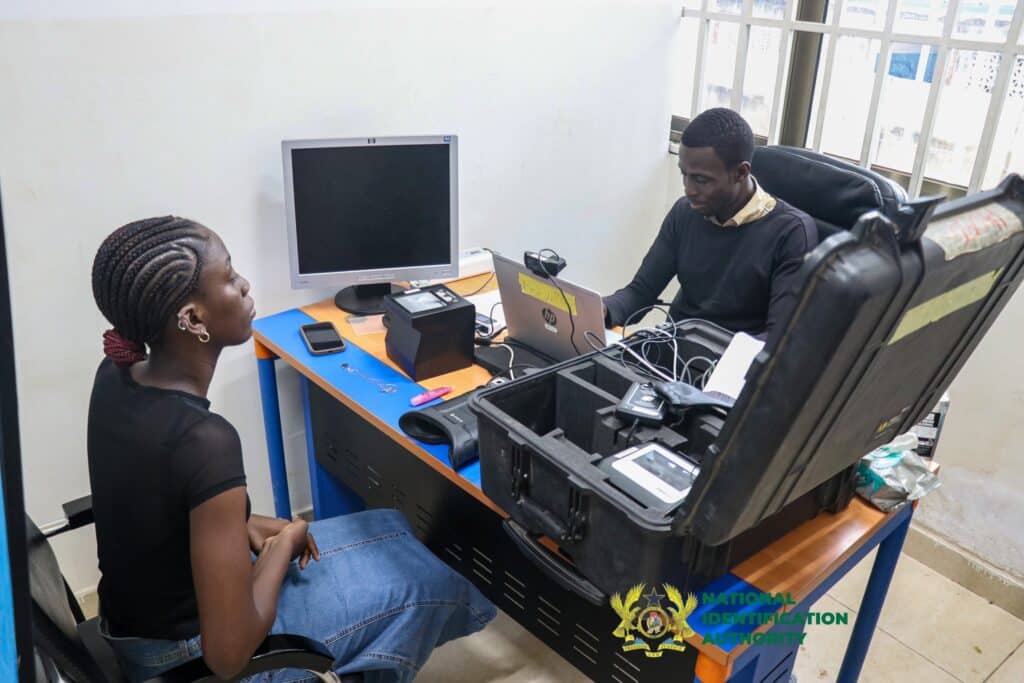
The government of Ghana, through the National Identification Authority (NIA), and U.S. identity trust services company Trust Stamp have agreed to an initial two-year deal for the implementation of a tokenized digital infrastructure project.
Both parties signed what they called an exclusive Memorandum of Understanding (MoU) recently, according to an announcement. It could be renewed on mutual consent.
Per the terms of the deal, both of them will put in place a Joint Working Team to “develop a comprehensive long-term contract for Trust Stamp to provide digital identity implementations and identity tokenization services based on revenue sharing arrangements.”
The tokenized ID services will be provided to the NIA, other government ministries and agencies, as well as the private sector, with the National Identification Registry (NIR) used as the foundation.
The NIA issues the Ghana Card, a biometric national ID, which is a foundational component of the country’s digital public infrastructure.
“NIA is the foundation of Ghana’s digital economy and governance infrastructure. NIA’s work impacts everything from elections to mobile money to cross-border trade, and it is a privilege to work with the dynamic and farsighted NIA team,” Group CEO of Trust Stamp, Gareth N. Genner, said after the MoU signing.
He added: “From the Executive Secretary down, the NIA team understands the importance of their work to every area of Ghana’s society, and they have developed a compelling vision based upon the adoption of privacy-protecting, tokenized digital identity, building upon the successful implementation of the Ghana Card.”
He also commented on the potential economic benefits for Ghana in putting in place tokenized digital infrastructure, citing the gains that belie the African Continental Free Trade Area (AfCFTA) and the country’s expanding population which is estimated at 35 million citizens.
“Establishing a tokenized digital infrastructure for recording births, marriages, deaths, and asserting electronic identity will not only empower citizens but also unlock immense economic value,” said Genner, referencing the United Nations Economic Commission for Africa (UNECA) which said that countries adopting digital ID systems could unlock between 3 and 13 percent of GDP growth by 2030.
Tokenization is increasingly being embraced as a key privacy-preserving approach to identity management, especially in the wake of growing concerns about identity theft and data misuse. A tech consultant, in an interview with Biometric Update last year, emphasized the importance of tokenization.
Also, there is a plan by payments giant Mastercard to use biometrics and tokenization in place of credit card numbers in the next five years, to fight fraud and identity theft.
Related Posts
-
 September 8, 2025
 -
 February 26, 2025
 -
 July 1, 2025
 -
 August 19, 2025
 -
 April 1, 2025
 -
 July 16, 2025
Article Topics
biometrics | digital ID | digital ID infrastructure | Ghana | government purchasing | National Identification Authority (NIA) | procurement | tokenization

Comments