
Mühlbauer to rival US card makers with new factory in Serbia
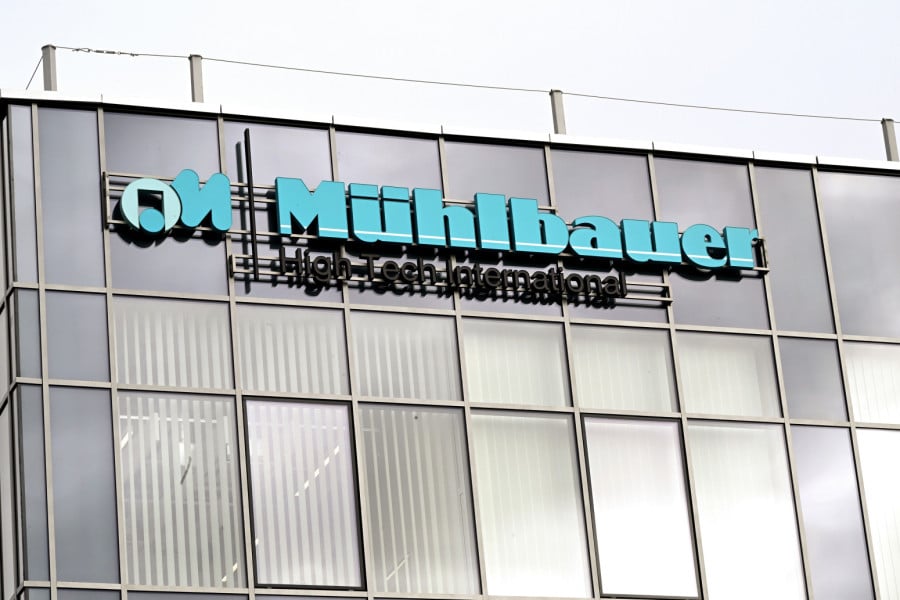
Mühlbauer has opened a new biometric documents factory in Serbia, equipped with automated machinery that can produce 5,000 biometric documents per hour. The German card, passport, and RFID application maker has invested 30 million euros (US$35 million) in the manufacturing facility located in Stara Pazova.
The new factory is an expansion of an existing 10 million euro high-tech and research center for ID documents launched in 2012. The Mühlbauer Group (sometimes spelled Muehlbauer) is also considering opening a third facility in the near future.
The company is attempting to seize its opportunity in the current geopolitical landscape.
Mühlbauer’s competitors in the U.S. are currently facing issues with importing machinery for producing credit cards from China due to President Donald Trump’s tariffs. U.S. card makers will have to manufacture cards domestically or collaborate with others, according to the firm’s founder, Josef Muehlbauer.
“This is not just German technology; it is our technology,” he said during the opening ceremony last Friday. “That’s why we are investing €30 million here. We are transitioning to e-mobility in segments and bringing the chip industry from Asia and China back to Europe.”
At the opening ceremony, Serbian President Aleksandar Vučić highlighted that the new Stara Pazova facility will produce passports for 30 or 40 countries. Mühlbauer is also supplying the Eastern European country with automated kiosks for digital passports, which will be installed within a year, news outlet B92 reports.
Serbia is currently preparing for EXPO 2027 in Belgrade and plans to introduce e-visas for visitors, which will be available on their smartphones.
Innovatrics and Telpo opening new facilities
POS terminal and biometric security equipment maker Telpo (Telepower) officially opened its new headquarters in Foshan, China, this month, allowing it to deploy products such as self-service kiosks and touch-based cash register machines even faster.
The facility spreads across 45,000 square meters (1.1 acres) and features modular assembly lines, allowing faster switches between product configurations. This flexibility is important for Telpo as it serves diverse markets, including Europe and Africa, the firm explains in its announcement.
Innovatrics, on the other hand, is still waiting to move into its new headquarters, which it calls “The Most Biometric Building in the World.”
The 4,000 square meter (0.98 acres) building has 110 biometric checkpoints, while visitors enter without physical credentials. The office space is available to rent.
The move is scheduled for 2026, but the Slovakia-based biometrics developer is already winning prizes: The future headquarters has been awarded Project of the Year 2024 by the Slovak Association for Facility Management.
Related Posts
-
 November 26, 2024
 -
 July 7, 2025
 -
 January 10, 2025
 -
 February 4, 2025
 -
 March 27, 2025
 -
 October 10, 2025
Article Topics
biometrics | digital identity | Innovatrics | Mühlbauer | Telpo

Comments