
New South Wales introduces digital birth certificate option for people 16-21
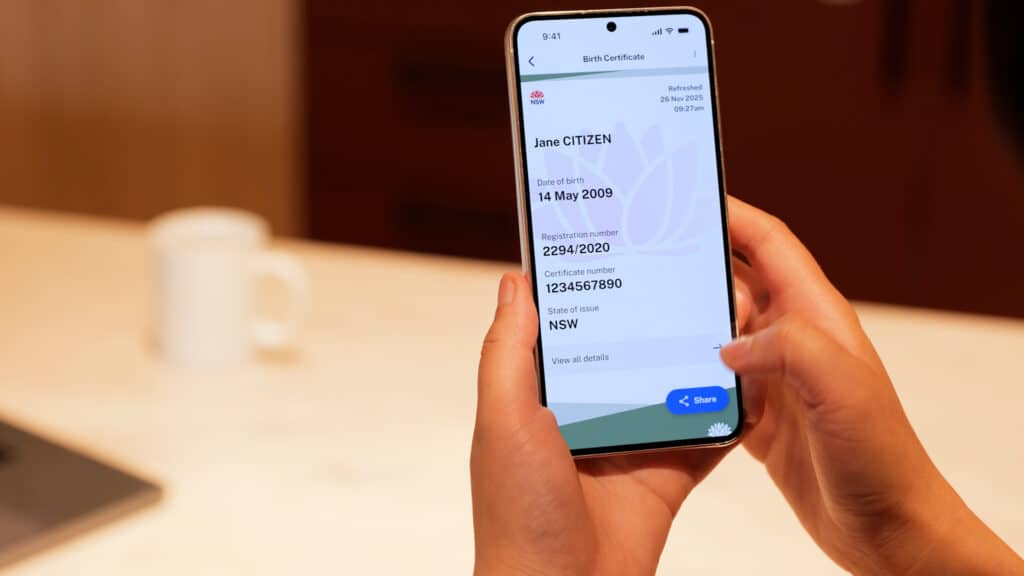
Digital birth certificates (DBC) will soon be available to a select demographic group in New South Wales. The government is kicking off the rollout by offering the digital credential to people between the ages of 16 and 21, starting in March 2026.
According to a release, the photo digital identity document will help with identity verification, safeguard user biometrics and information, and give people more control over their data through strong consent and privacy measures.
Access will be available through the Service NSW app, for residents born in NSW and who hold a local photo card or drivers license. At first, the DBC will be only accepted at Service NSW centers to apply for select NSW government transactions.
However, as the program rolls out more widely, the government expects use cases to expand. A press release quotes NSW Digital and Customer Services Minister Jihad Dib, who says policymakers are engaging with industry leaders to ensure the digital ID will be widely accepted in future by government, businesses, schools, clubs and sporting organizations.
Dib also notes that, “during natural disasters, we often help people whose birth certificates and other documents have been destroyed; a digital version provides a solution for those who need to verify their identity quickly to access services and apply for grants, rather than waiting for a replacement and delaying timely support.”
A pilot for a digital NSW birth certificate in 2024 saw more than 1400 people sign up for the standalone app. The Australian province has been active in developing digital strategy and infrastructure and in issuing digital credentials like mobile driver’s licenses. In early 2025, it announced a trial update to its NSW Digital ID and Wallet enabling photo card holders to convert them into verifiable credentials.
Related Posts
-
 February 11, 2025
 -
 September 29, 2025
 -
January 2, 2025
-
 July 9, 2025
 -
 February 7, 2025
 -
December 2, 2024
Article Topics
Australia | birth registration | digital birth certificate | digital ID | identity document | New South Wales (NSW)

Comments