
Somalia digital ID major pillar of World Bank-funded SPRING initiative
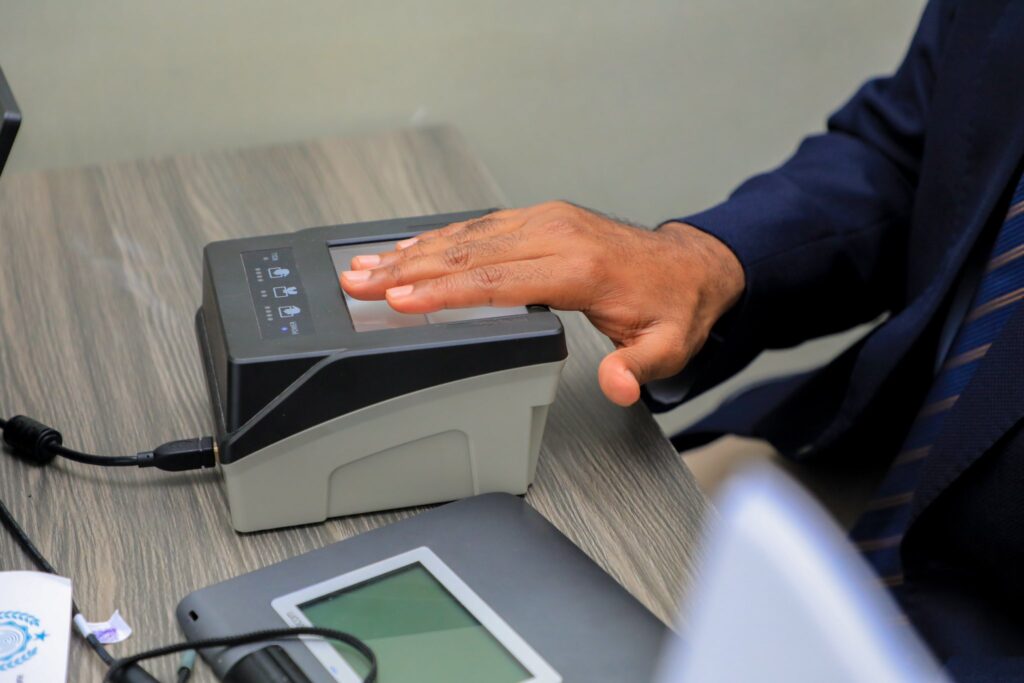
Since 2023, Somalia has been running an ambitious national identity project which the government views as a crucial part of the country’s digital transformation agenda.
The ID program, which has funding support from the World Bank and a technical push from other bilateral and multilateral partners, seeks to provide legal identity to citizens in a country that has suffered years of economic downtime due to a maze of political and security challenges.
The National Identification and Registration Authority (NIRA), the government agency running the ID program, says it hopes to ensure at least 15 million Somalis have a national ID by 2029.
This is not just for people to identify themselves as citizens, but more importantly to use the ID card as a tool to make life easier for them by facilitating access to a wide range of services in the public and private sectors.
Perhaps, it is for that reason that NIRA has been drafted in as one of the government agencies and institutions with a key role to play in the implementation of a sustainable growth project sponsored by the World Bank.
Last month, the country’s Finance Minister launched the Somalia Productive, Resilience and Inclusive Growth (SPRING) initiative, and cited NIRA among public institutions that have the responsibility to support the successful realization of the objectives.
The SPRING project which is estimated at more than $100 million seeks to support efforts mostly driven by the private sector to create jobs and enhance the digital economy. It is also requires a number of reforms which entails multi-agency collaboration.
Specifically, SPRING’s main objective is to strengthen Somalia’s economic resilience by improving the business environment, expanding access to financial and digitally enabled services, and supporting micro, small, and medium enterprises (MSMEs) to flourish.
Other institutions involved in the SPRING project include the Ministry of Commerce and Industry, the Central Bank of Somalia, the Financial Reporting Center, and the agency responsible for MSMEs.
Each of these government bodies are expected to play specific roles. For NIRA, it’s obvious. Digital ID has been framed as the central pillar in Somalia’s digital transformation, which is inextricably linked to economic growth.
Digital ID and DPI make up an important component in the realization of the project as these systems are necessary in ensuring that individuals, especially women, marginalized groups, and displaced persons, can securely access financial services, training, and credit. The understanding is that with a robust digital identity framework in place, the project will help reduce exclusion risks, strengthen data protection, and enable transparent identification of beneficiaries for social protection programs.
At a recent National ID conference in Mogadishu, NIRA indicated plans to have more public services integrated with the national ID system, to make it easier, more secure and convenient for citizens to access services.
Already, more than one million Somalis have been enrolled for the national ID, with more than 24 public services integrated.
Speaking during the event, President Hassan Sheikh Mohamud, underlined the importance of a national ID for the country’s development, and urged every citizen to have one. He reminded citizens that the ID is not only important in identifying them but in ensuring that they easily get access to important government services.
Somalia’s digital ID is part of a DPI ecosystem the country is building. Experts argue that with safe, inclusive and interoperable DPI, countries like Somalia can significantly enhance their economic development and growth chances. Some emerging nations are already doing so.
Through the SPRING project, it is hoped that NIRA will play a massive role in building trust in institutions, widening access to opportunities, and embedding integrity and inclusivity into Somalia’s economic transformation.
Related Posts
-
 August 7, 2025
 -
 March 14, 2025
 -
 June 2, 2025
 -
 March 4, 2025
 -
 January 2, 2025
 -
 April 2, 2025
Article Topics
digital economy | digital ID | digital public infrastructure | identity management | national ID | NIRA Somalia | Somalia | World Bank

Comments