
Italians required to switch from paper IDs to eIDs by August 2026
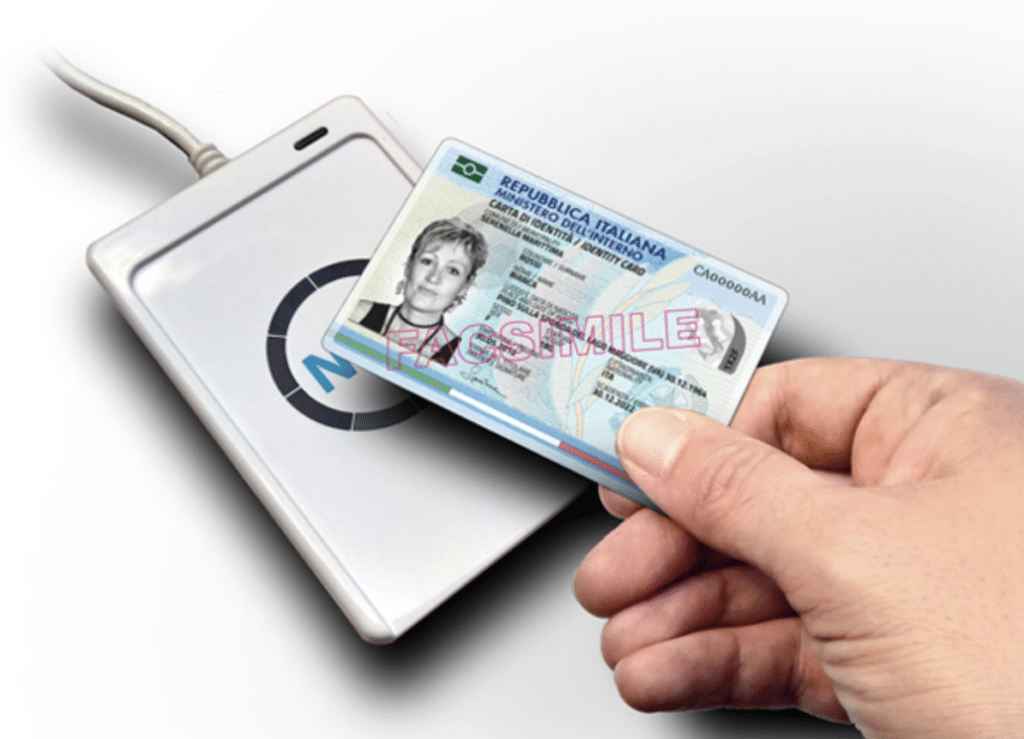
Italy has announced that old paper identity cards will no longer be valid starting August 4th, 2026, with the government urging citizens to apply for biometric-based electronic identity cards (Carta d’Identità Elettronica – CIE). But although the switch to the eID has been known for six months, citizens still seem unaware of the new requirements, while local authorities are expecting an influx of new requests.
Large cities such as Rome and Milan have already launched specialized task forces to handle the expected congestion at government offices
Nearly 350,000 Roman residents are required to switch from paper IDs to digital IDs before the summer deadline. Taking into account lost and stolen eIDs that will need to be replaced, the number of CIEs that the capital will have to issue by August may reach up to 440,000. The city, however, only has the capacity to issue 28,000 cards a month, potentially leaving 160,000 people without the new document, according to Wired.
Italy is replacing paper IDs in line with EU requirements, which mandate that biometric fingerprints must be stored on IDs. CIE has been around since 2015, with 48.4 million out of 59 million Italians holding a valid document, according to October calculations from the Polytechnic University of Milan.
The end of SPID?
The country also uses the SPID (Sistema Pubblico di Identità Digitale), a digital identity platform, which allows users to access public and private services.
In December, the Italian government under Prime Minister Giorgia Meloni announced plans to turn off SPID and promote the use of CIE as the only national digital ID. Many digital public services, however, are currently accessible with SPID but not with CIE.
Although public administration is required by law to accept CIE as an authentication method, many municipal authorities, healthcare, transportation and education institutions still do not do so, per Wired. Banks, insurance companies and other service providers are also not required to integrate CIE, presenting another obstacle to adoption.
The SPID system is managed by ten different providers, including InfoCert, Namirial, Poste Italiane and Telecom Italia (TIM) Trust Technologies. Citizens request a digital ID from any provider, with many of them recently introducing fees for using the system.
In comparison, CIE suffers from three limitations, including issuance times, cost and the chip holding biometric data that’s embedded, according to Alessio Butti, undersecretary to the Presidency of the Council of Ministers for technological innovation.
“We would like to work to ensure the issuance of the CIE remotely at no cost and within 24 hours and to guarantee its usability, through solutions that are at least as simple as SPID,” says Butti.
Related Posts
-
 February 26, 2025
 -
 February 28, 2025
 -
 February 25, 2025
 -
 August 4, 2025
 -
 July 29, 2025
 -
 April 1, 2025
Article Topics
biometrics | Carta d’Identità Elettronica (CIE) | digital ID | digital identity | e-ID | identity document | Italy | SPID

Comments