
1M age verifications for Russian digital ID app Max
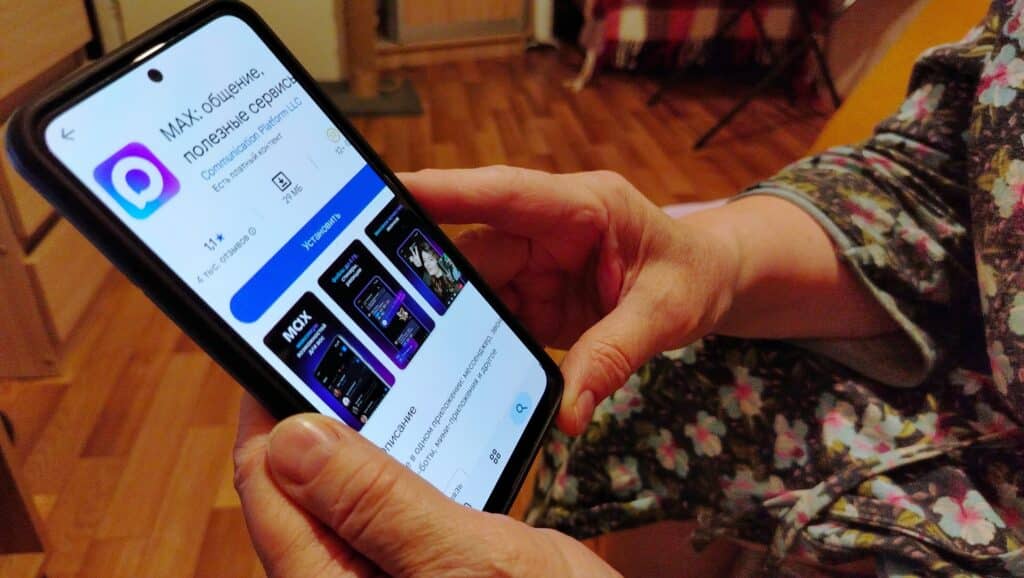
Russians have verified their age more than 1 million times using the state-backed “super app” Max, which includes a digital ID, according to the Russian government.
The age verification service can be used in more than 70,000 stores owned by 18 of the country’s largest retailers. Sellers can scan the user’s digital identifier in the Max app and confirm they are old enough to purchase tobacco products, alcohol, energy drinks and other age-restricted goods, tech news outlet www1.ru reports .
The Russian government has mandated that all retail outlets in the country accept age verification through the Max app as of September 1st, 2026. The use of the app, however, is voluntary for customers.
The Max app was created by Russian tech firm VKontakte and designed to emulate China’s WeChat, combining digital IDs with messaging, money transfers, government and private services, e-signatures and social media functions. The platform is heavily promoted by Moscow, which has mandated that all new smartphones sold in Russia come pre-installed with Max.
At the end of January, the platform had 89 million users, while more functions are being added.
The age verification feature, for example, has added a function that confirms a pensioner’s status, allowing the user to access discounts and benefits at retail stores.
As of March, Russian citizens will also be able to check into hotels by presenting their passport information through the Max platform. The government recently approved regulation related to accepting digital IDs in hotel services, after launching a pilot in September 2025.
The Russian government is also taking some unusual steps to spread the use of the Max app. The government has stated that property management companies and homeowners’ associations will face serious sanctions if they fail to create a chat group for building residents and post information there.
Related Posts
-
 January 8, 2026
 -
 March 26, 2025
 -
 April 1, 2025
 -
 November 21, 2025
 -
 November 21, 2025
 -
June 13, 2025
Article Topics
age verification | digital ID | identity verification | Max | retail biometrics | Russia | super app

Comments