
Texas on the sidelines as digital driver’s licenses expand nationwide
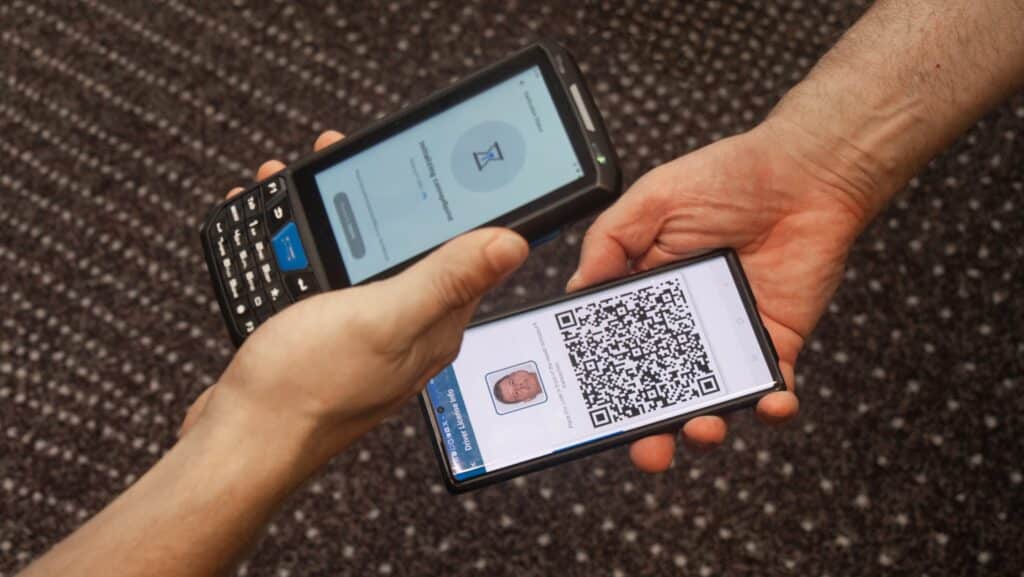
Texas is emerging as one of the major holdouts in the national shift toward digital identification even as Apple expands its Digital ID technology that lets people store government-issued identity credentials like passports and driver’s licenses on their iPhone or Apple Watch.
While more than 20 states and the U.S. territory of Puerto Rico now allow residents to add their state IDs or driver’s licenses to mobile wallet platforms, Texas has repeatedly failed to move forward with its own mobile driver’s license (mDL) or digital ID program.
Legislators in Austin have introduced several bills aimed at authorizing and setting up a digital ID system through the Texas Department of Public Safety (DPS), something that supporters say would bring both convenience and enhanced security to everyday life in the state.
A 2023 proposal passed the Texas House but stalled in a Senate committee amid opposition from far-right groups and nationalist activists who questioned the necessity or risks of the technology.
That proposal had backing from law enforcement organizations and the DPS, which acknowledged that digital IDs could offer secure, modernized identification for Texans, but it did not become law. A subsequent attempt during the next legislative session also failed to secure a hearing.
The broader digital ID landscape in the U.S. reflects a patchwork of progress and hesitation, with some states developing their own independent systems to avoid reliance on large technology companies and others forming partnerships with Apple, Google, or Samsung to integrate driver’s licenses directly into consumer devices.
States like Arizona, California, Georgia, Illinois, Maryland, Montana, New Mexico, North Dakota, Ohio and West Virginia already support IDs in Apple Wallet, and others including Arkansas, Connecticut, Kentucky, Mississippi, Oklahoma, Utah and Virginia are on track to follow.
Apple’s Digital ID initiative, announced in late 2025, goes a step further by enabling users to create a digital identity using a U.S. passport and present it at more than 250 Transportation Security Administration checkpoints at airports for domestic travel.
That feature builds on earlier capabilities launched in 2022 that let people add eligible driver’s licenses or state IDs to Apple Wallet with secure, encrypted data storage and biometric authentication.
Despite the growing adoption of mobile IDs nationally, Texas residents currently cannot add a state-issued driver’s license to Apple Wallet or equivalent services.
They can still use the new passport-based Digital ID from Apple for domestic travel if they have a U.S. passport, but that does not replace the absence of a state-backed mobile driver’s license in their everyday interactions.
Advocates for digital IDs point to the explosion of mobile wallet use since the COVID-19 pandemic, when contactless payments and digital interactions became common, and argue that Texas is lagging both public demand and technological trends.
Critics, including privacy and civil liberties groups, have raised concerns about the potential for mobile IDs to facilitate surveillance or weaken privacy protections, contributing to the hesitation in adopting such systems in some quarters.
As other states continue to expand digital ID access, Texas finds itself increasingly isolated in its reluctance to enact enabling legislation, leaving residents without the streamlined convenience or interoperability with mobile identity platforms seen elsewhere.
Whether that will change in future legislative sessions remains an open question, but for now, Texas remains one of the few states without a mobile driver’s license option despite the clear momentum building across the nation.
Related Posts
-
 September 24, 2025
 -
October 28, 2025
-
 February 26, 2025
 -
 January 19, 2026
 -
 December 16, 2025
 -
 November 19, 2025
Article Topics
Apple Digital ID | Apple Wallet | digital ID | mDL (mobile driver's license) | Texas | United States

Comments