
Biometric access survey shows generational divide in workplace adoption
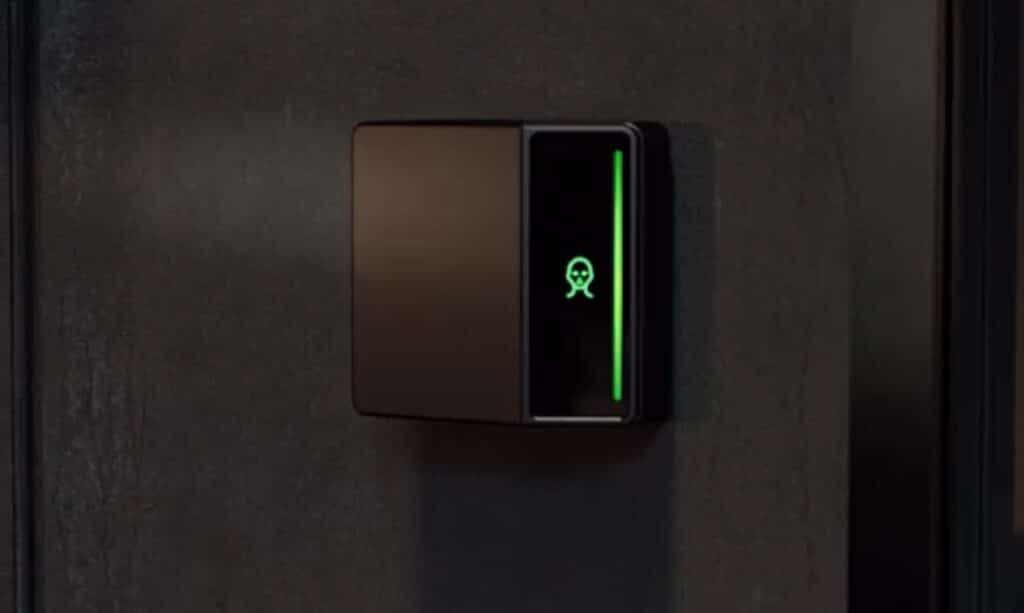
Nearly one in three (30 percent) U.S.-based employees would prefer to use biometrics to access their workplace in place of traditional methods, such as badges. Nearly 40 percent also admit they have been late to work or a meeting due to a lost or forgotten badge, according to a new survey conducted by YouGov and published by biometric access control company Alcatraz AI.
Overall, 46 percent of respondents expect that biometrics will replace most security requirements within the next decade.
The survey revealed a generational gap when it comes to biometric technology: Nearly three-quarters (72 percent) of Gen Z respondents said they are comfortable with biometric authentication, compared to 54 percent of boomers.
“The generational divide revealed in our survey shows that employers have to be thoughtful in how they implement these systems, because adoption only happens when people trust the technology,” says Alcatraz AI CEO Tina D’Agostin.
Nearly half of Gen Z said they are open to using biometric authentication at work, followed by millennials and Gen X (42 percent). Only 28 percent of boomers said the same.
Boomers, who represent the demographic cohort born between 1946 and 1964, are not completely opposed to biometric technology, as 46 percent of them are fine with using it at the airport. This suggests that older generations associate biometrics with security checkpoints rather than with everyday tasks such as unlocking their smartphones or accessing their bank accounts.
The survey also found that only about one-fifth of all respondents are open to using biometrics at the gym.
More than half of respondents said their top concern with biometric tech is the possibility of it failing. Other concerns included surveillance without consent (51 percent) and hacking or spoofing of their biometric data (48 percent).
Among those hesitant to adopt biometrics, many also cite issues such as a lack of control over their biometric data (56 percent) and the lack of alternative options (55 percent).
The research surveyed 1,243 adults in the U.S.
Earlier this month Biometric Update and Goode Intelligence published the 2026 Biometric Physical Access Control Market Report and Buyer’s Guide, detailing additional trends and considerations for implementing biometric access control solutions.
Related Posts
-
 July 24, 2025
 -
 February 4, 2026
 -
 January 14, 2026
 -
 October 30, 2025
 -
 June 4, 2025
 -
 August 6, 2025
Article Topics
access control | Alcatraz AI | biometric authentication | biometrics | market report

Comments