
Greece announces social media age verification, calls for EU-wide tools
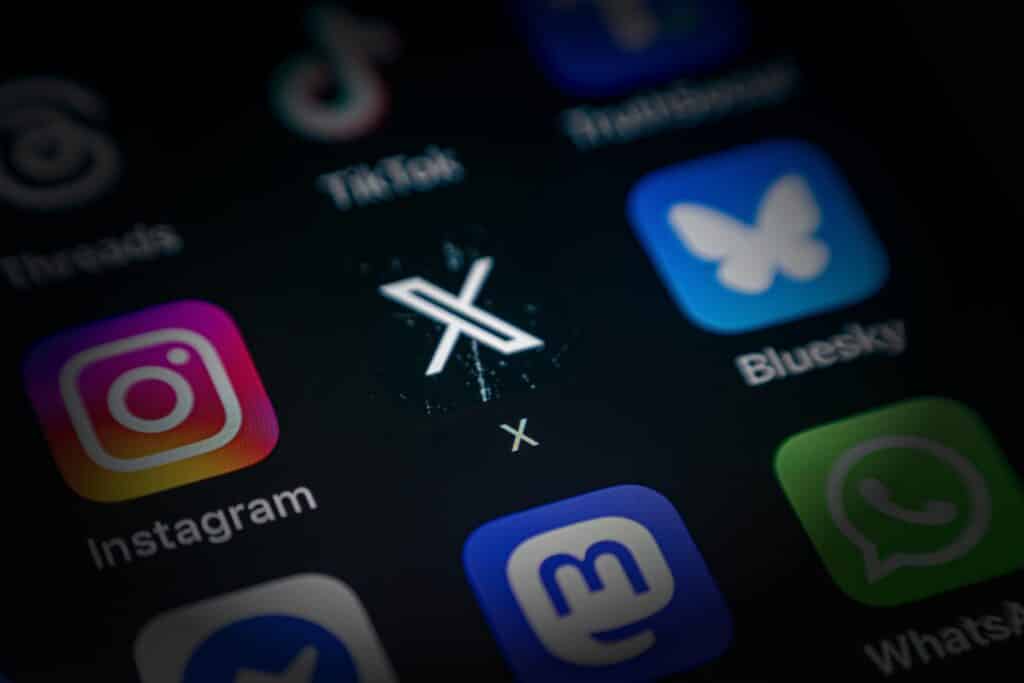
Greece is joining the growing number of countries raising the age limit for social media and insisting on enforcement, with Prime Minister Kyriakos Mitsotakis pledging to exert pressure on the EU to regulate online child safety and standardize age verification tools across the bloc by 2027.
On Wednesday, Mitsotakis announced that the prohibition on Facebook, Instagram, TikTok and Snapchat for kids born after January 2012 is expected to come into effect as early as January 1st, 2027. That same day, the Prime Minister sent a letter to European Commission President Ursula von der Leyen, laying out his proposals for a uniform ban on children under 15 across all 27 Member states and standardizing age verification.
“National action alone will not suffice,” says Mitsotakis. “A unified European framework must be in place by the end of 2026 in order to complement and strengthen necessary national initiatives for the protection of minors.”
The Mitsotakis conservative government plans to table the proposal for a national ban in Parliament during the summer. The measure would target only the four social media apps that feature “endless scrolling” and would not affect messaging and video platforms such as Messenger, Viber, WhatsApp, and YouTube. The list would be updated in the future if necessary, newspaper Kathimerini reports.
Australia became the first country to ban minors under 16 from social media platforms and mandate age checks in December 2025. Since then, other countries have made similar moves, including Indonesia, while others have announced future plans for restrictions.
Aside from Greece, EU members, including France, Portugal, Austria and Denmark, have announced moving towards age-based restrictions on social media. In March, the European Commission organized the first panel on age restrictions for social media. In parallel, the bloc is also testing the EU Age Verification app across five member states.
“France could have a draft law in place by this autumn, while several countries are pushing to impose an under-16 ban as part of the upcoming EU Digital Fairness Act,” says Steve Ball, CEO at age assurance company Verifymy.
Platforms already have access to the tools they need to ensure compliance, including facial age estimation, ID scans with a face biometrics match and email-based age checks, he adds. But one issue is whether age-based restrictions would be accepted by young social media users.
According to a survey conducted by the prime minister’s office and published earlier this year, 80 percent of Greeks support a ban on social media use for children under 15. However, nearly 60 percent of respondents said they believe minors would find ways to bypass restrictions.
“Young people are quick to adapt, and restricting access to mainstream social platforms could act as a nudge towards less regulated websites where safeguards are weaker and oversight is limited,” notes Ball.
Prime Minister Mitsotakis addressed the public through TikTok, acknowledging that many young people might consider the measure unfair but adding that the ban is necessary for their wellbeing.
“I am certain that many of you who are younger will be angry with me. If I were your age, I might have felt the same,” he says. “But the addictive design of some apps, the profit model that’s based on your attention – on how long you spend in front of your mobile phone screen – and takes away some of your innocence and freedom, must end at some point.”
Related Posts
-
 October 13, 2025
-
 December 12, 2025
-
 January 29, 2026
-
 April 1, 2026
-
 July 1, 2025
-
 April 14, 2025
Article Topics
age verification | children | Europe | Greece | regulation | social media | standards

Comments