
Malaysia rolls out 10,000 smart CCTVs with FRT across Kuala Lumpur
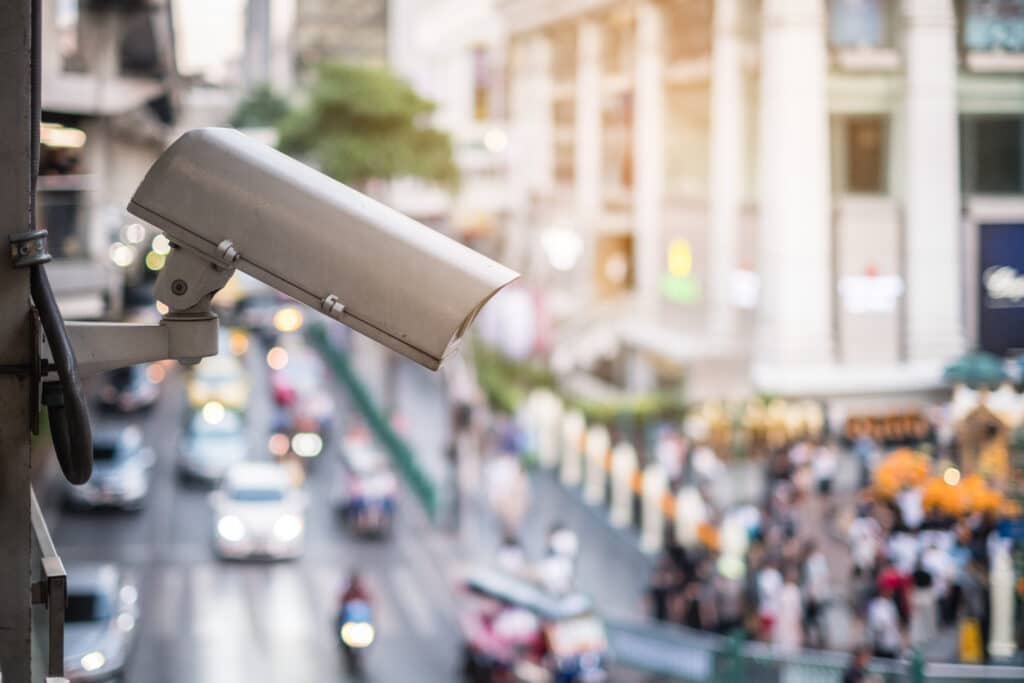
Malaysia has implemented biometrics on a massive scale across its capital city. Authorities in Kuala Lumpur have enabled facial recognition across all 10,000 surveillance cameras in the country’s largest city.
Since 2020, authorities have invested 500 million Malaysian ringgit (US$125.9 million ) to install and operate around smart CCTV units across Kuala Lumpur. The system now forms the backbone of a citywide safety programme built around facial recognition, behavioural analytics and real‑time threat detection.
Minister in the Prime Minister’s Department (Federal Territories) Hannah Yeoh said the rollout is about data‑driven urban security, reports Wilayah. The cameras are positioned across major roads, intersections, public spaces and commercial districts, which feed into an integrated platform that analyzes activity and triggers alerts automatically.
Officials say the system moves beyond passive video recording. It incorporates biometric‑enabled capabilities such as facial recognition, geo‑fencing and behavioural analysis to identify suspicious movements, detect anomalies and issue early warnings.
Kuala Lumpur police chief Fadil Marsus reported the surveillance system had improved suspect detection by up to 50 percent and supported investigations, according to Vietnam Plus. This has boosted case resolution rates, the chief claimed.
Information flows directly between Kuala Lumpur City Hall (DBKL) and the Royal Malaysia Police (PDRM), enabling faster, coordinated responses. Yeoh said the platform allows authorities to continuously refine monitoring strategies based on real‑time data and feedback from enforcement teams.
Automated public announcement features are also being used in tourist hotspots, issuing multilingual warnings every 10 minutes to deter nuisance activities without requiring officers on‑site.
Kuala Lumpur mayor Fadlun Mak Ujud said the unified system replaces previously fragmented surveillance feeds, reducing information gaps and improving decision‑making. Beyond crime prevention, the analytics layer supports wider urban management including monitoring traffic congestion, emergencies and flood risks.
Elsewhere in Asia, authorities in Delhi last year announced the Safe City Project that will see 10,000 CCTV facial recognition cameras added to the Indian city. Delhi police said they had already installed some 25,000 CCTV cameras and their C4I has a facial recognition database of around 350,000 criminals with facial details. A few weeks ago, the UK government unveiled a national strategy to tackle knife crime by upgrading CCTV coverage to minimize blind spots and improve the use of retrospective facial recognition (RFR).
Related Posts
-
 February 6, 2026
 -
 August 25, 2025
 -
 July 3, 2025
 -
 October 6, 2025
 -
 February 19, 2026
 -
 March 10, 2026
Article Topics
behavioral analysis | biometrics | cctv | facial recognition | Malaysia | video surveillance

Comments