
OCR Studio expands KYC fraud detection for AI-generated identity documents
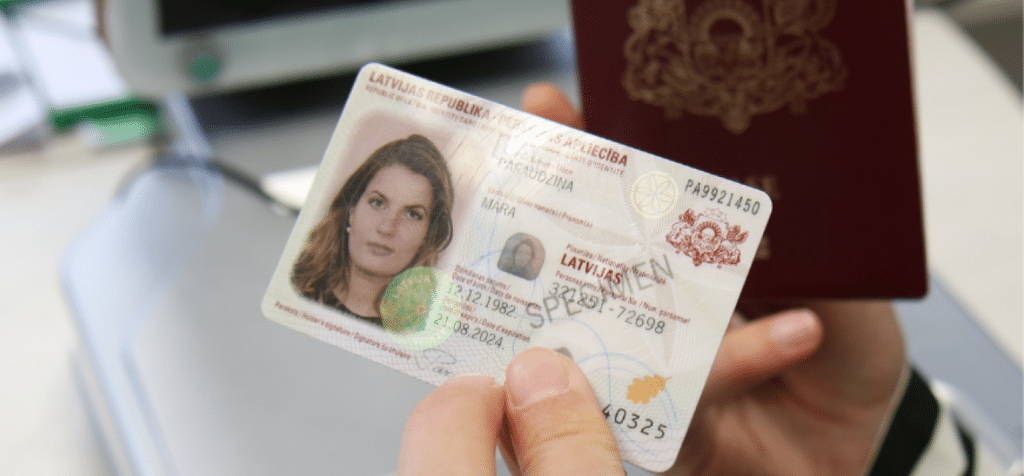
Fake documents made with the help of generative AI are becoming increasingly more convincing. Document analysis and data extraction software firm OCR Studio has updated its document scanning tool with a new anti-fraud system that detects a wider range of AI-generated and morphed identity documents, including those made by ChatGPT, NanoBanana, Grok, Midjourney and others.
The system was designed to address risks in Know Your Customer (KYC) and client onboarding processes, detecting AI-generated forgeries even when the documents appear realistic and accurate to the human eye. Instead of searching for logical inconsistencies in the document content, it examines the underlying image structure and detects low-level artifacts left by generation or editing algorithms, the company explains in a release.
“Generative AI has pushed document fraud to a new level, making forged IDs more realistic and harder to spot than ever before,” points out Konstantin Bulatov, chief technology officer of OCR Studio. “The only traces left by deepfake images are invisible to the human eye and undetectable by traditional anti-fraud systems.”
The rise of identity document fraud is prompting companies such as OCR Studio to develop new technologies and upgrade products.
The Dubai-headquartered company presented a new neural network architecture last week that shrinks computer‑vision models by more than 40 times while maintaining accuracy. The tech could significantly improve real‑time biometric and document verification systems running on edge devices, it says.
In February, the company upgraded its identity document authentication platform, OCR ID-verify system, by adding new layers of authenticity checks, allowing it to detect a broader range of document forgeries.
One of the most important use cases for OCR ID-verify is online age verification. The firm has released two AI toolsets: one for in-browser age verification using ID documents, targeting compliance with the UK’s Online Safety Act, and the other for conducting on-device KYC across any platform.
Related Posts
-
 June 25, 2025
 -
 June 10, 2025
 -
 June 23, 2025
 -
 August 29, 2025
 -
 May 13, 2026
 -
 August 28, 2025
Article Topics
AI fraud | digital ID | document verification | fraud prevention | OCR Studio

Comments