
Synolo launches infant fingerprint biometric scanner in Brazil
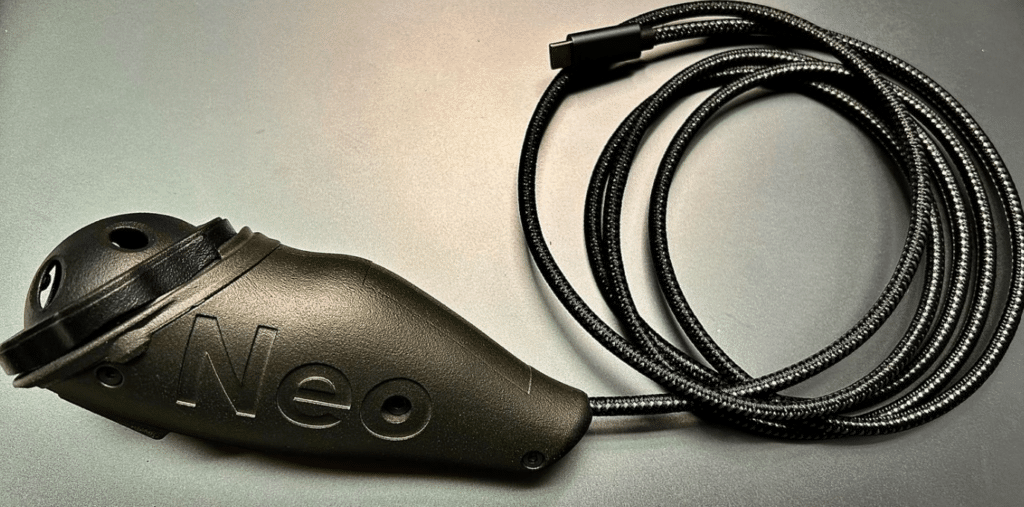
U.S.-based Synolo has launched its biometric scanner specially designed for infant and neo-natal identification in the Brazilian market to address impending regulation-driven demand.
The Neo fingerprint scanner is currently being tested in four proof-of-concept initiatives in multiple Brazilian states, with more pending. Children’s biometrics are enrolled in hospital maternity wards shortly after birth, in part to prevent infant abductions.
The strategic expansion is a key development for Synolo because the country is currently working towards regulations for infant and child identification, Co-founder CEO Greg Scott tells Biometric Update in an interview. There are no certifications or standards for infant biometrics yet, and FBI fingerprint technology certifications are for matching adults, but Brazil’s government has “established a committee that’s been working on the regulations associated with this,” Scott explains.
“Brazil is the one place in the world that really has more than aspirations, its actually implementing infant IDs.”
Originally, Brazil wanted rules for infant biometrics to be part of the certification framework for the new National Identity Card, the CIN, Synolo Business Development Manager Rafael Lucchesi says during the same call.
Lucchesi also points out that Brazil’s LGPD imposes a data protection standard “kind of like GDPR.”
“We feel that if we’re successful in Brazil, that’s going to be the launching pad for the rest of the world,” Scott says.
Distribution will be through the Synolo Solutions Provider Program, which is run by the company’s São Paulo-based team, which includes Lucchesi.
The company was founded in 2021, spinning out of a research project from the University of California San Diego with Gates Foundation backing. Though there is not certification for fingerprint biometrics technology designed for children and newborns, Synolo’s technology has been evaluated in papers published by the U.S National Library of Medicine and Nature, Gates OpenResearch and most recently IEEE in collaboration with CITeR.
Synolo is also in the midst of collaborations with NIST, CITeR and the National Science Foundation to help with the development of standards for children’s fingerprint biometrics.
Related Posts
-
 September 6, 2024
 -
 November 5, 2024
 -
 October 17, 2024
 -
 December 4, 2024
 -
December 9, 2024
-
 June 25, 2024
Article Topics
biometric identification | biometrics | Brazil | fingerprint biometrics | fingerprint scanners | infant biometrics | Neo fingerprint scanner | Synolo

Comments