
Estonia floats LPR and traffic monitoring AI, critics fear FRT
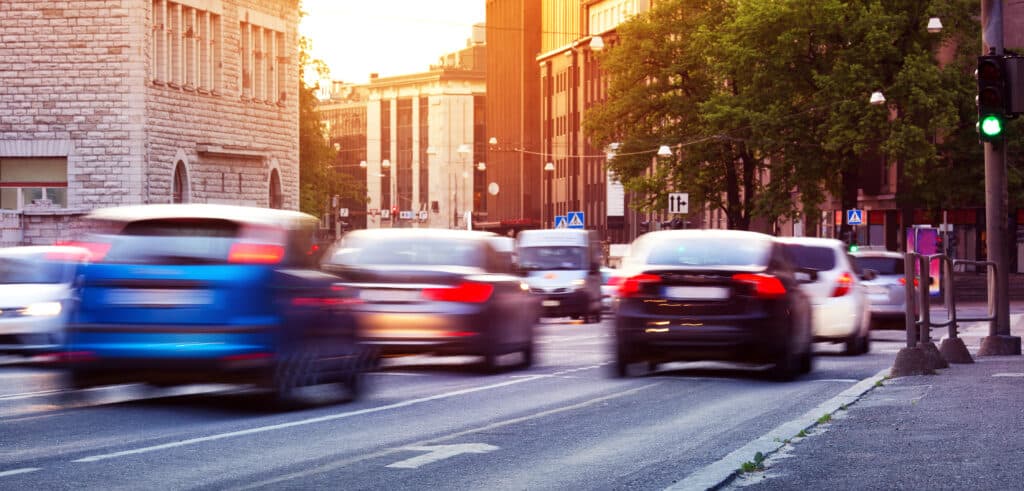
Estonian politicians are worried that introducing new traffic technology could mean facial recognition surveillance.
The government wants to replace stationary speed cameras on its roads with new technology, including patrol cars that use AI speed measuring and cameras capturing license plates and photos of drivers committing traffic violations.
The monitoring system would automatically capture images of drivers and issue tickets for infractions such as using phones, not wearing seatbelts, running through red lights and performing dangerous maneuvers.
The current camera system identifies drivers based on the vehicle license plate number in the photo. Although it is currently unclear whether the new traffic monitoring regime will include facial recognition, former Justice Minister Maris Lauri has expressed concern that a system of this type could involve “extensive surveillance” and pose risks to a democratic society.
“It is not quite the same, but there have been other similar ideas that, figuratively speaking, get presented to every minister, and then a new minister, after some time takes it up, brings it to the cabinet, and then is sent back on it,” says Lauri. “These kinds of things keep recurring over and over again. Some of these themes are evergreen.”
Other Estonian politicians, including former Interior Minister Lauri Läänemets, told the Estonian Public Broadcasting (EER) that the plan put forward by the Ministry of Interior came as a surprise.
The European country still needs to overcome legal challenges before implementing new technology, including establishing a data protection regime for photographing drivers, passengers and cars. The agency has set the deadline for the system at 2027, Police and Border Guard Board (PPA) spokesperson Sirle Loigo said last week.
“We are already working on these processes today so that these changes in the law will already be in effect by then,” says Loigo.
Estonia’s speed cameras recorded 321,000 traffic violations last year. The majority of them, approximately 200,000, were captured by eight of its mobile cameras. The country also operates 34 stationary cameras.
The police have also been considering introducing average speed cameras, which track how long it takes for a vehicle to travel between two set points on a road. The initiative, however, has been stalled due to political hesitation, according to EER.
Related Posts
-
 September 12, 2024
 -
 May 17, 2024
 -
 June 21, 2024
 -
 December 9, 2024
 -
 May 20, 2024
 -
 June 10, 2024
Article Topics
data privacy | Estonia | facial recognition | license plate readers | video surveillance

Comments