
Biometrics demand holds firm across core and emerging use cases
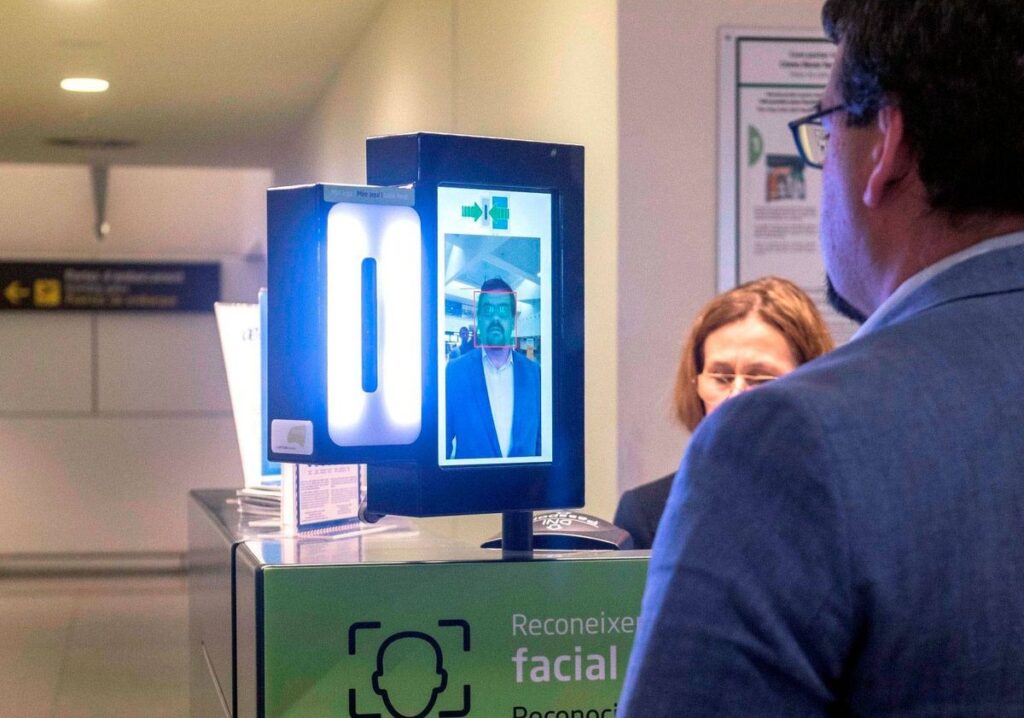
A UK court ruling that live facial recognition use by police does not violate human rights could have major implications for biometrics in law enforcement and as an industry more generally. Along with other top stories on Biometric Update this week, like the American federal government setting money aside for biometric wearables, but not yet ready to translate concern about fraud into action on digital identity, illustrate the staying power of the market’s long-standing core segments, even as new ones for online age verification and AI agent authorization emerge.
High Court okays LFR
London’s Met Police did not breach human rights law or skip appropriate legal safeguards with their deployments of live facial recognition, the UK High Court ruled this week. A community volunteer wrongfully detained after an LFR match and Big Brother Watch Director Silkie Carlo brought the challenge, with the backing of the UK Equality and Human Rights Commission.
Scottish Biometrics Commissioner Dr. Brian Plastow welcomed the ruling, as well as a statement from UK Minister of State for Policing and Crime MP Sarah Jones that a record investment will make LFR available to police across England and Wales. Plastow suggests a similar decision could benefit Scotland.
US federal government targets fraud, illegal immigrants
Analysis of the White House’s recent executive order on cybercrime and fraud by Socure and Carahsoft stresses the importance of identity assurance in their prevention. Socure’s Jordan Burris reiterates his call for digital identity to alter “the economics of fraud at scale.”
The FBI says phishing and spoofing are the predominant forms of fraud attacks costing $20 billion in losses. The Internet Crime Report 2025 recommends enabling MFA, and a Pindrop blog post makes the case that it also indicates the importance of applying continuous identity assurance, such as with voice and behavioral biometrics.
DHS needs biometric smart glasses to identify illegal aliens, according to its 2027 budget justification. S&T plans to develop an operational prototype, among $32 million in plans for biometrics and identity management, emerging biometrics and identity screening within the Border Security and Immigration section of S&T’s budget.
3 approaches to age verification
Bi-partisan federal legislation proposes forcing every internet user in America to set up an account and provide a birth date at the operating system level. If they are under 18, a parent or guardian would have to confirm their age. The Parents Decide Act does not specify how this would work, but leaves the details up the FTC.
The EU’s age verification app made an inauspicious debut when it was announced “technically ready” last week, but independent analysts immediately found security vulnerabilities. A new version is expected from developers Scytáles and T-Systems imminently.
Japan is joining a growing list of nations restricting access to social media, but is taking a novel approach. Age verification will likely be applied at the device or OS level, and be used to apply filters and risk labels.
Emerging biometrics, threats and use cases
The “Ghost Murmur” tool used by U.S. military forces to locate a lost airman may seem futuristic, but is an example of what Fraser Sampson called “zoemetrics” back when he was Biometrics and Surveillance Camera Commissioner. The consequences of emerging biometric technologies and the adoption landscape is a tricky though vital policy challenge, Sampson writes.
xAI is the latest company to introduce voice AI APIs that could be used to carry out sophisticated spoofing attacks on voice biometrics systems. ElevenLabs, OpenAI and Microsoft have all recently launched similar APIs.
Concordium CEO Boris Bohrer-Bilowitzki says that protocol-level identity uniquely positions his firm to bring trust to agentic AI transactions. He explains the chain that connects Concordium’s privacy-preserving age verification and its next big opportunity to the Biometric Update Podcast.
National ID hardening in India, taking shape in Tanzania
The UIDAI has established a bug bounty program to proactively find and close gaps in the security of the world’s largest national digital ID program, Aadhaar. The agency has recruited 20 bounty hunters, who will be compensated based on the severity of the threats they discover.
Tanzania is seeking contractors to build identity registration offices and add iris and face biometrics to the Jamii Namba system. The government has allocated $14 million towards Phase II of the country’s national digital ID project for 2025-26.
Not waiting around
Greece has granted visitors from the UK an exemption from the biometric registration entry requirements under EES for the summer tourism season. The EC is not thrilled, but speculation about other countries following suit began immediately.
Please let us know about any online presentations, podcasts or other content we should share with the people in biometrics and the wider digital identity community in the comments below or through social media.
Related Posts
-
 March 10, 2026
 -
 August 19, 2025
 -
 December 18, 2025
 -
 July 16, 2025
 -
 January 7, 2026
 -
 July 29, 2025
Article Topics
biometrics | digital ID | digital identity | facial recognition | week in review

Comments