
Uganda president wants biometric verification for 2026 vote; tender forthcoming
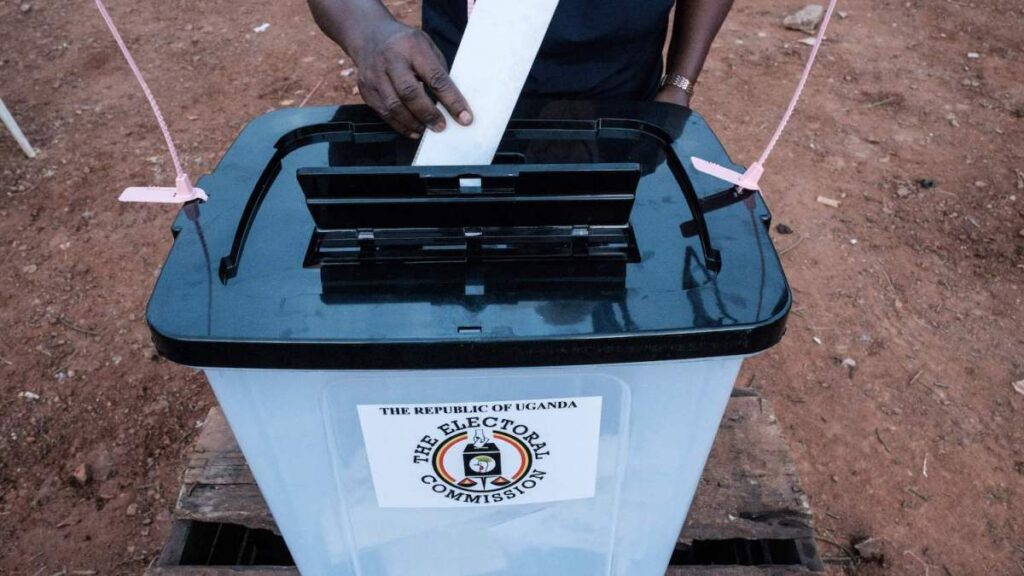
The Electoral Commission of Uganda (EC) is envisaging the launch of a new tender to select a procurement partner for biometric verification gear to be deployed for the country’s general elections next year.
This decision comes amid insistence from the country’s President Yoweri Museveni that no voting should take place in those elections in the absence of such a system, which he believes, will help fight electoral fraud and other polling irregularities. Regulatory changes have been initiated to make this happen, the Minister of Justice and Constitutional Affairs, Norbert Mao, said two months ago.
Daily Monitor quotes the president as saying recently during a religious crusade event organized by his daughter that biometric verification is imperative for next year’s elections.
According to the outlet, the EC is considering a redo of an initial tender plan to acquire 10,000 biometric verification devices and related software. The bidding announcement was done in March, with bids expected to have closed by April 14.
But since then, there has been no information about the tender from the EC, with its spokesman, Julius Mucunguzi, confirming that they are now set to re-launch a fresh procurement process.
He said the initial process was adjudged as not being comprehensive enough because there had been an understanding that the EC would have access to other biometric devices owned by the Uganda Bureau of Statistics (UBOS) and the National Identification and Registration Authority (NIRA).
A request to use UBOS biometric devices for the 2026 elections was rejected in April by Members of the Legal and Parliamentary Affairs Committee of the country’s National Assembly.
The UBOS devices were used during the country’s 2024 national population census and reportedly suffered glitches that made access to data difficult in some instances. The MPs said they fear a repeat of such problems.
The EC says its decision to relaunch the tender process also comes after a re-evaluation of what exactly is required in terms of the number of polling stations, voters per polling station, and capacity of devices. The decision is also reported to have been informed by fears about the short battery life of UBOS’ own biometric tablets, according to Nile Post.
There have, meanwhile, been concerns in the country over limited connectivity, especially in remote areas, which could negatively affect the functioning of the verification system.
These developments come as Uganda is currently carrying out a mass registration and renewal exercise for a second-generation biometric ID card system. As the activity unfolds, there have been calls for the government to ensure that the implementation follows a human-rights based approach.
A digital rights lawyer Morgan Muhindo shares his view point on this in The Observer, arguing that in as much as digital public infrastructure like national IDs can enhance access to services, poor legal frameworks and exclusionary system designs can give room for serious human rights violations.
The writer holds that while the new system is a laudable initiative, the government must have a rethink and be intentional about clearing the several barriers that hinder the national ID system from full inclusivity.
Related Posts
-
 February 24, 2025
 -
 August 30, 2024
 -
 April 10, 2025
 -
 December 20, 2024
 -
 July 24, 2024
 -
 March 26, 2025
Article Topics
Africa | biometric verification | biometrics | elections | mobile biometrics | National Identification and Registration Authority of Uganda (NIRA) | tender | Uganda

Comments