
Somalia kicks off mass digital ID registration drive
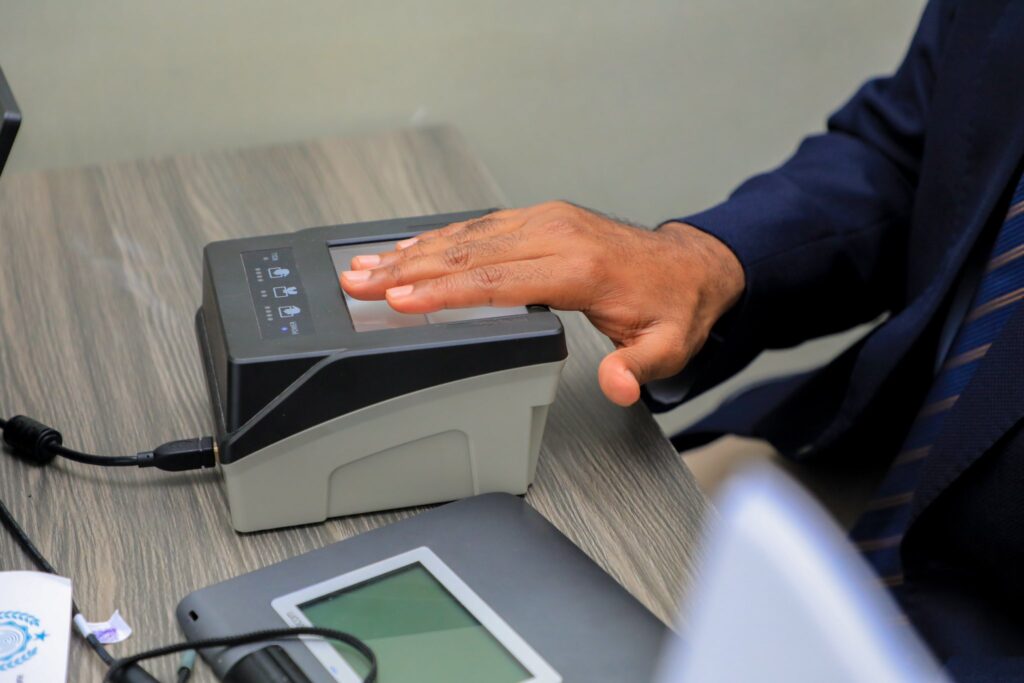
The Somali government has since last month been conducting a mass registration pilot for its national digital ID in the districts of Shangani and Boondheer.
The move is part of efforts to increase adoption as the National Identification and Registration Authority (NIRA) says it plans to expand the registration drive to Mogadishu where it hopes to register all 3.5 million inhabitants of the city, according to a World Bank blog.
From Mogagishu, the exercise will also be extended to the Benadir region as the ID authority pushes ahead with its objective of registering 15 million citizens for the digital ID by 2029.
NIRA used this year’s ID Day on September 16 to offer identity services, including registering citizens.
The federal government is also said to be training staff to be deployed to the districts to help with registration of citizens.
The blog quotes a domestic worker Miss Jijo who confessed to the importance of the Somali national ID, saying it will help her open and manage her own bank account, something she has not been able to do for lack of an ID.
Many Somalis are said to be fully aware of the benefits of having an ID card, and are likely to go for with increasing awareness campaigns by the ID authority. The blog article references a World Bank survey conducted early this year which found that many citizens see the ID as “a tool for empowerment, one that can open doors to greater opportunities such as access to public and private sector services and even formal employment.”
One Somali who hopes to register for an ID was quoted as saying: “The Somali ID will allow me to open my bank account. Right now, I am using a family member’s account for financial transactions, which is not ideal. Once I get my ID, I will be able to manage my finances independently.”
The Somalia ID program is funded by the World Bank and it aims to provide every citizen with a government-issued identity which can facilitate access to public services and also drive financial inclusion in the country.
It is expected that the mass registration efforts will pull in more citizens to register for the digital ID, especially as the government is increasing use cases for the credential.
The ID has been made a requirement to access a number of services, from opening a bank account, getting transport documentation like driver’s licenses, to completing passport applications and domestic travel.
Related Posts
-
 August 7, 2025
 -
 January 2, 2025
 -
 May 22, 2025
 -
 June 2, 2025
 -
 July 21, 2025
 -
 January 27, 2025
Article Topics
biometric enrollment | biometrics | digital ID | digital identity | NIRA Somalia | Somalia

Comments