
GBG integrates Mattr for Australian mDL checks as issuers align around ISO standard
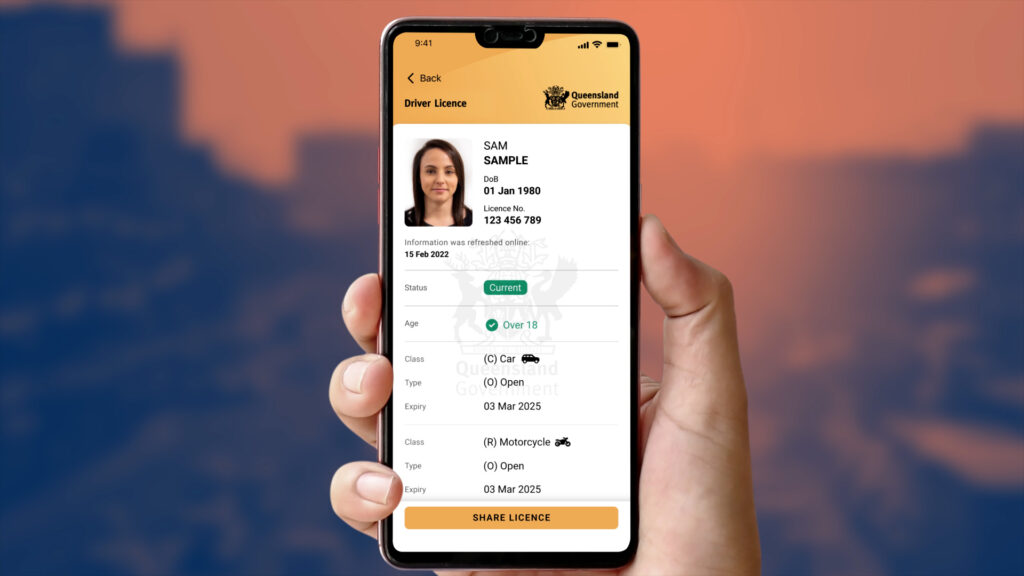
GBG has introduced support for mobile driver’s licenses (mDLs) into its existing workflows for license checks in Australia through a partnership with Mattr. mDL checks provide identity verification or confirmation of attributes like age or license status with high assurance in a convenient, privacy-preserving way, according to the announcement.
Australian states and territories are rolling out mDLs based on the ISO/IEC 18013-5 and -7 standards, which enable user-controlled tap-to-share interactions at physical points of service or secure online verification through websites.
“Australians expect verification to be fast and respectful of their privacy. By introducing mDL acceptance, we’re making driver licence checks simpler for people and stronger for businesses. This initiative is part of GBG’s global approach to support digital identities, building on our work with mDLs in the US and digital ID schemes across Europe,” says Gus Tomlinson, GBG chief product and technology officer. “We chose Mattr to power this capability because of their track record in secure digital identity and their ability to scale with GBG’s global footprint.”
NSW and South Australia launched their mDLs before the publication of ISO/IEC 18013-5. Queensland’s mDL, stored in an app from Thales, is compliant with the standard. Austroads has developed a harmonization roadmap for mDLs, however, that includes each state and territory government integrating ISO 18013-5 and -7 functionality into their mDLs. The program is slated for implementation next year.
“We’re proud to support GBG’s market-leading checks with verifiable, privacy-preserving technology,” says Claire Barber, Mattr chief executive. “As more jurisdictions adopt mobile credentials, GBG’s customers can move quickly, confident the experience is friction-light for users and high-assurance for verifiers.”
The country’s regulatory landscape is also shifting steadily towards digital identity, with the announcement pointing out that a recent consultation paper from the Australian Communications and Media Authority (ACMA) recommends ID verification for prepaid SIM purchases through digital identity.
Related Posts
-
 October 23, 2024
 -
 September 9, 2025
 -
 August 21, 2025
 -
 December 5, 2024
 -
 February 4, 2025
 -
 March 20, 2025
Article Topics
Australia | digital ID | GBG | ISO 18013-5 | ISO 18013-7 | Mattr | mDL (mobile driver's license) | mDL verification

Comments