
Ethiopia, Zambia DPI teamwork example of South-South DPI cooperation
A World Bank expert has framed the recent move by Ethiopia and Zambia to share notes on the development of their digital ID systems as a true example of South-South cooperation, especially among African countries, on inclusive digital public infrastructure (DPI).
A Senior Digital Development Specialist at the Bank, Paul Ndungutse, shared his thoughts in a blog post about the collaboration which was sealed through an MoU at the end of September.
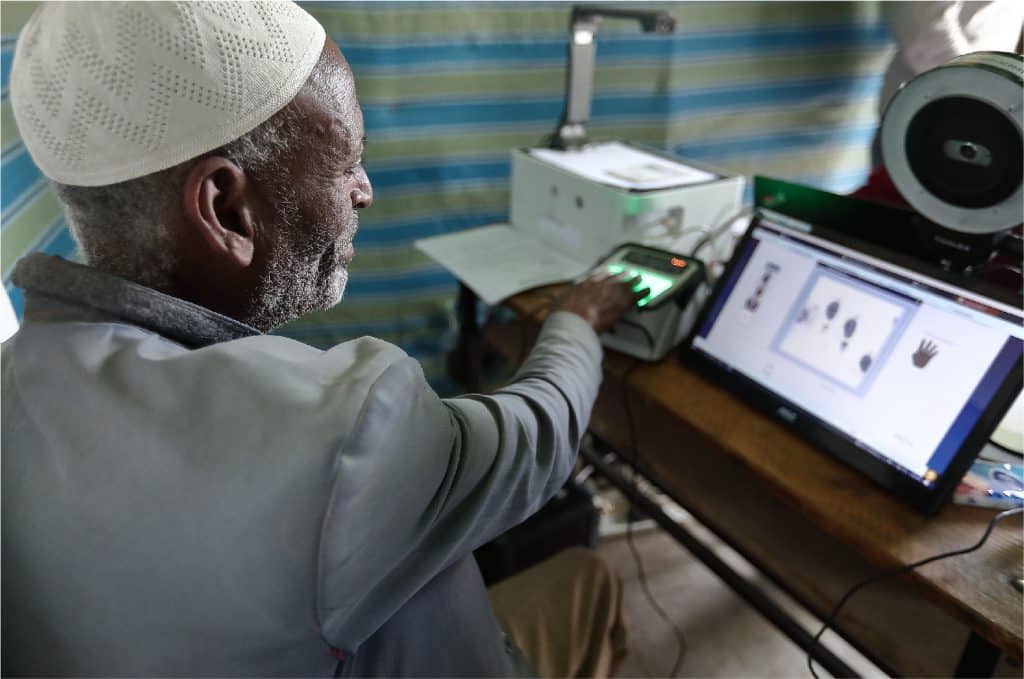
With the framework of the MoU, Zambia is bringing to the table its DPI experience from the implementation of the Digital Zambia Acceleration Project (DZAP), while Ethiopia is sharing notes from its Fayda ID implementation through the Digital ID for Inclusion and Services Project. Ethiopia plans to have 63 million digital IDs issued by the end of this year. Both countries are implementing their DPI projects with financial support from the World Bank.
“For us, this partnership is more than a milestone. It is a model for South-South Cooperation demonstrating that when we work together, we exchange knowledge and technology, and most importantly, we build confidence, capabilities and empower our communities,” Ndungutse stated.
The collaboration requires both partners to “co-design and implement secure and inclusive digital identity systems across both countries,” in his words.
According to him, one of the major gains so far from the partnership has been “the open exchange of knowledge, from sharing lessons on Zambia’s journey to integrate platforms for e-services, to learning how our Ethiopian colleagues designed Fayda to be inclusive from the start, ensuring it is accessible even in rural areas.”
With the collaboration, the two countries are not only working together, but also learning together given their considerable experiences in DPI implementation, he notes.
The specialist also makes the case for inclusive digital ID, saying it is a gateway to access a wide range of services in the public and private sectors. Beyond that, he also underscores the need to build integrated systems which can act as bridges to offer economic opportunities for citizens.
“In both Zambia and Ethiopia, the governments are taking a use case-driven approach, linking ID registration and verification to tangible services such as social protection, mobile money, and civil registration,” he writes.
“By demonstrating real life benefits, both countries are building public trust and showing that digital identity can truly make everyday life easier and more equitable.”
Apart from Ethiopia and Zambia, the case of Senegal and Togo is another example of bilateral collaboration on DPI within the continent, which according to Ndungutse, also aligns with the African Union’s Agenda 2063 “vision of a digitally connected and integrated continent.”
Related Posts
-
 February 7, 2025
 -
 February 11, 2025
 -
January 2, 2025
-
 November 6, 2024
 -
 January 14, 2025
 -
 March 25, 2025
Article Topics
Africa | biometrics | digital ID | digital identity | digital inclusion | digital public infrastructure | Ethiopia | Fayda | SMART Zambia | World Bank | Zambia

Comments