
Linxens launches chip‑tamper detection for e-ID documents
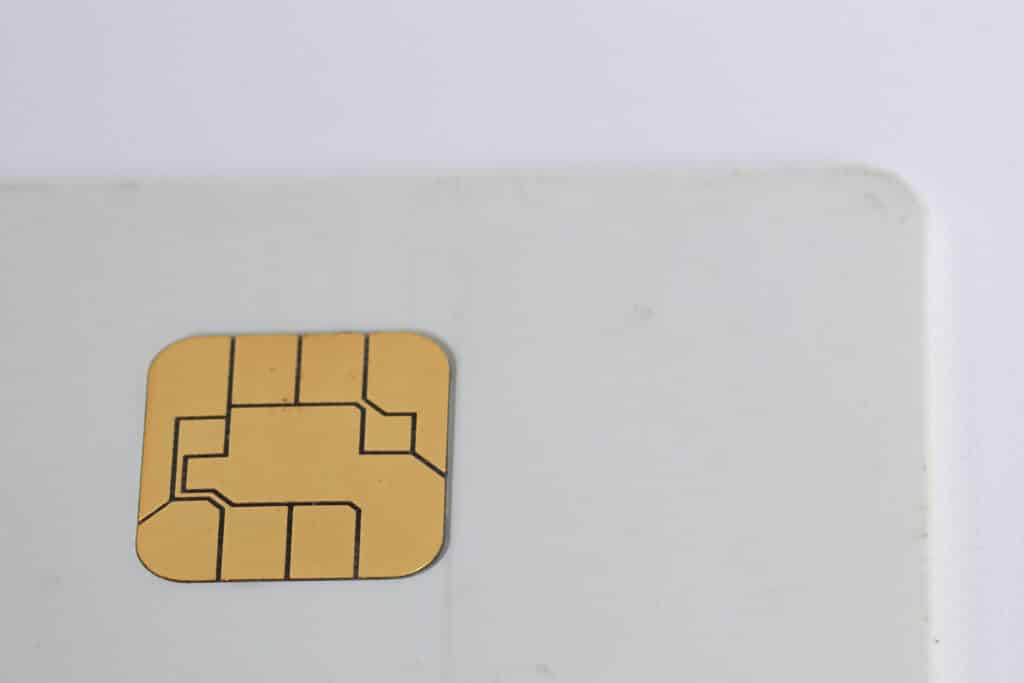
Linxens has introduced a new security feature designed to detect tampering attempts on the chips embedded in electronic identity documents. It addresses what the company describes as a growing vulnerability in modern ID systems.
Called Hint, the new solution was unveiled at the opening of the Trustech 2025 tradeshow in Paris. Hint is embedded within the inlay layer of a secure document and is engineered to detect magnetic, electrical or physical interference aimed at disabling or altering the chip.
“Chip-tampering is one of the biggest blind spots in identity security today,” claims Jerome Frou, VP of Linxens Government. “Almost every forged document we see in case studies shows deliberate damage to the chip, yet no existing feature was designed to reveal it.”
According to Linxens, the technology provides border officers and law enforcement agencies with a clearer indication when a document’s chip has been manipulated, improving the accuracy and speed of identity checks at airports and border crossings.
Hint can be integrated into a range of chip‑enabled identity documents, including e‑passports, national ID cards, residence permits and driver’s licences.
“Hint brings a level of protection the industry was missing,” Frou says. “It gives border officers a clear, immediate signal when a document has been manipulated.”
The launch follows analysis indicating chip damage is a common tactic in document fraud. While physical security features on passports and ID cards have steadily improved, the chip itself has remained comparatively exposed.
Authorities that examine forged documents report that intentional chip destruction is a regular occurrence, reflecting targeted methods used to bypass electronic verification.
Related Posts
-
 April 2, 2025
 -
 August 4, 2025
 -
 March 27, 2025
 -
 June 10, 2025
 -
 June 3, 2025
 -
 November 14, 2025
Article Topics
digital ID | e-ID | fraud prevention | identity document | Linxens

Comments