
TSA Touchless ID biometric entry lanes coming to 50 additional US airports

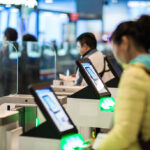
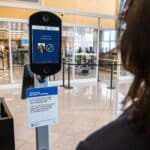
The Transportation Security Administration (TSA) is expanding its PreCheck Touchless ID program, promising deployments in a total of 65 airports in the first quarter of 2026.
According to a post from Travel Weekly, 15 airports currently have Touchless ID lanes: Atlanta, Dallas-Fort Worth, Chicago O’Hare, Detroit, Las Vegas, Los Angeles, Newark, New York JFK, New York LaGuardia, Phoenix, Salt Lake City, Seattle, San Francisco and Washington Reagan National.
Priority airports for expansion include Houston Bush Intercontinental, Washington Dulles, Boston, Palm Beach, Miami, Orange County, Dallas Love Field, Kansas City, Houston Hobby, Fort Lauderdale, San Jose, Sacramento, Anchorage, Baltimore, Orlando and Long Beach.
The opt-in program is available through Alaska, American, Delta, Southwest and United airlines. The system is designed to enable touchless screening through facial verification in 10 seconds or less. To be eligible, passengers must be registered TSA PreCheck travelers and have an active profile with a participating airline, a Known Traveler Number and a valid passport.
The announcement would seem to paint an optimistic picture of the TSA’s progress – countering reports that, on its current funding trajectories, it would take years for it to complete nationwide deployment of advanced identity verification and baggage screening technologies
Canada-US preclearance projects moving ahead despite tension
The TSA is gearing up for an expected surge in travel to the U.S. around the 2026 FIFA World Cup. However, at present, tourism to the U.S. has plummeted, as a growing number of countries issue travel advisories and the fear of illegal seizure and imprisonment by immigration forces spreads. A recent BBC report cites numbers from the World Travel & Tourism Council (WTTC), projecting losses of 12.5 billion dollars in international visitor spending in 2025.
The current mood may also have implications for preclearance work between the U.S. and Canada, which has also seen a drop in visitors heading to the States. A report from the Canadian Press says two preclearance projects are scheduled to roll out in 2026, despite statements by U.S. Ambassador to Canada Pete Hoekstra, indicating that preclearance at Canadian airports for trips into the U.S. would no longer be adequate, and that travelers would be required to clear checkpoints on U.S. soil.
Toronto’s Billy Bishop Airport and Cannon Corners, N.Y., on the border with Quebec are the planned deployments for U.S. preclearance. More sites are reportedly under discussion, including rail stations, cruise ports and ferry terminals.
However, the Canadian public could grow less comfortable with the idea, depending on how political winds blow. Public Safety Canada says “the idea of preclearance is to push the border out so officials can intercept threats before people or goods cross the border.” But the question of who is pushing the border, and which way, has taken on a new urgency in a world of fresh and unprecedented conquest.
Related Posts
-
 October 1, 2025
-
 April 17, 2025
-
 November 14, 2025
-
 August 12, 2025
-
 February 17, 2025
-
 February 4, 2025
Article Topics
airport biometrics | border security | Canada | digital travel | face biometrics | identity verification | passenger processing | PreCheck Touchless ID | TSA | United States

Comments