
From biometric enrollment to digital sovereignty, policy chases modernization
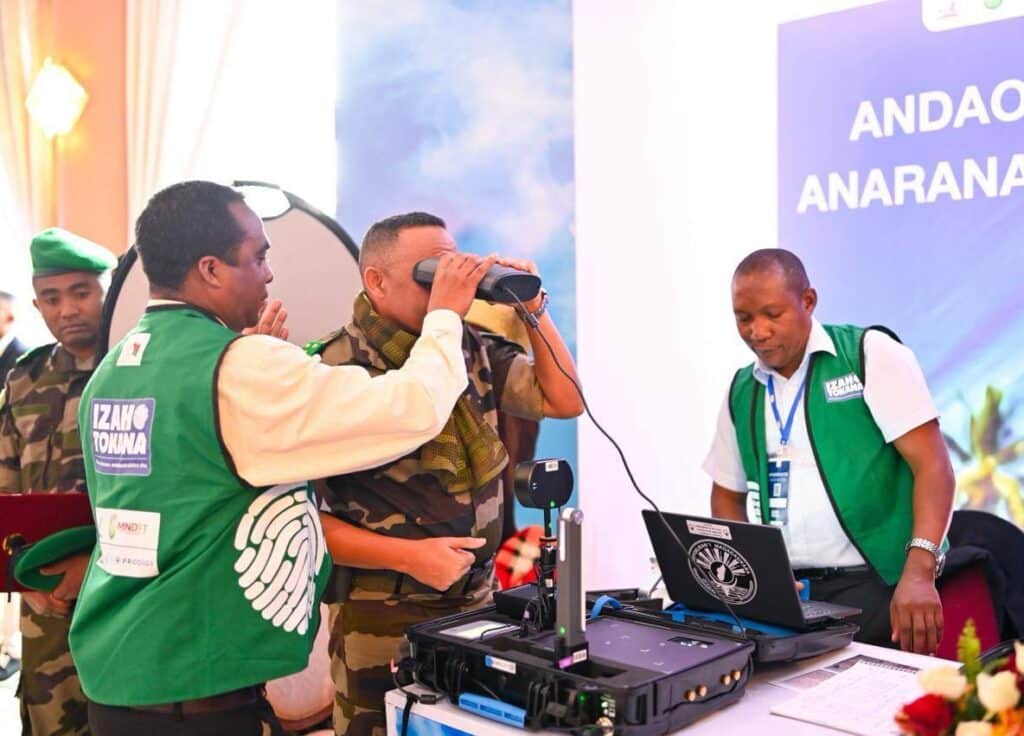
Biometrics are foundational to identity assurance, and identity is foundational to digital sovereignty, which is a key theme on Biometric Update this week. Credentials are evolving, in particular towards mDLs and VCs, and so are service delivery models. Biometric enrollment must continue to do so as well. Police facial recognition policy must also evolve to avoid losing public trust, but as shown among the week’s top headlines, progress is uneven.
Sovereignty and sustainability
Digital sovereignty was a key theme at MOSIP Connect 2026, with presentations from AWS and UNICC, a panel discussion and an unconference session reflecting several different definitions of what it means in the context of digital identity, and considerations for how to achieve it.
ID4Africa’s 2026 AGM is approaching, and ED Dr. Joseph Atick tells Biometric Update user control and system sustainability are among the important emerging trends that will be in the spotlight this year. The meeting in Abidjan, Côte d’Ivoire will introduce Country Playbooks to disseminate the growing wealth of expertise from real-world experiences across the continent.
An ecosystem approach is another major focus, one which aligns with the view of universities as “trees” bearing fruits that sustain tech sovereignty, as expressed by IIIT-B Chairman Professor Debabrata Das, whose keynote opened Connect 2026.
Sovereignty and sustainability are closely related, and Ethiopia’s model of generating revenue from relying parties plus rising enrollment rates have led to Fayda’s inclusion in the country’s sovereign wealth fund portfolio.
Sri Lanka wants to preserve the sovereignty of its MOSIP-based digital ID, the SL-UDI, a government official tells Biometric Update. The careful selection of a local managed service provider is one way of doing so, and capability transfer is another.
The management of sensitive data and digital identity programs is central to the discussion. A hacker group claims it stole data including source code, passwords, encryption keys and software supporting logins with Sweden’s BankID from CGI. The company says production environments and operational data are unaffected. Meanwhile, the government is working towards the launch of a national digital ID by the end of the year.
AWS emphasizes the importance of control, continuity and compliance in a blog post on “practical digital sovereignty.” These pillars are translated into practical advice for understanding and adapting DPI and digital identity systems.
The first season of The Trust Files concludes with a warning from World Ethical Data Foundation Director of Institutional Programming Michael Nash about the slippery slope from digital ID for fraud protection to mass surveillance and control.
Cybersecurity and ID
“President Trump’s Cyber Strategy for America” includes provisions for zero-trust architecture, post-quantum cryptography, privacy, blockchain security, AI security, and agentic AI. It does not include “a cohesive, national digital identity strategy that treats identity as foundational infrastructure,” Socure Head of Public Sector Jordan Burris notes.
The driver’s license continues to serve as the de facto identity document throughout the U.S., and Veridos America President and MD Jim Marsh sets out a practical path to modernizing the driver’s license lifecycle in a Biometric Update guest post, from stronger identity assurance at the point of biometric enrollment to securing the physical credential supply chain.
NIST NCCoE’s latest guidance on mobile driver’s licenses addresses customer identity verification. The guide seeks to help financial institutions implement mDL standards and best practices as the market shifts to commercial deployments.
Reusable digital identity for business
UK cross-sector fintech group CFIT has presented a prototype of its Digital Company ID to provide businesses with a reusable digital identity. The Digital Company ID Coalition includes Select ID, LexisNexis, Mastercard, TransUnion and GLIEF, with Yoti and OneID among supporting biometrics providers.
Police facial recognition policy
U.S. police continue to struggle with how to apply facial recognition in criminal investigations. Fargo apparently based probable cause on a false positive biometric match, causing a months-long prison ordeal for a grandmother from another state.
Essex Police show a more deliberative approach after pausing their live facial recognition program last year. Several reports, including evaluations of Corsight’s technology by the NPL and the University of Cambridge, contributed to a revised policies and procedures.
Please let us know about any podcasts, online events or other content you think we should share with the people in biometrics and the digital identity community in the comments below or through social media.
Related Posts
-
 August 4, 2025
 -
 July 29, 2025
 -
 May 20, 2025
 -
 April 1, 2025
 -
February 11, 2026
-
 April 9, 2025

Comments