
Meta urged to halt facial recognition glasses rollout, disclose law enforcement ties
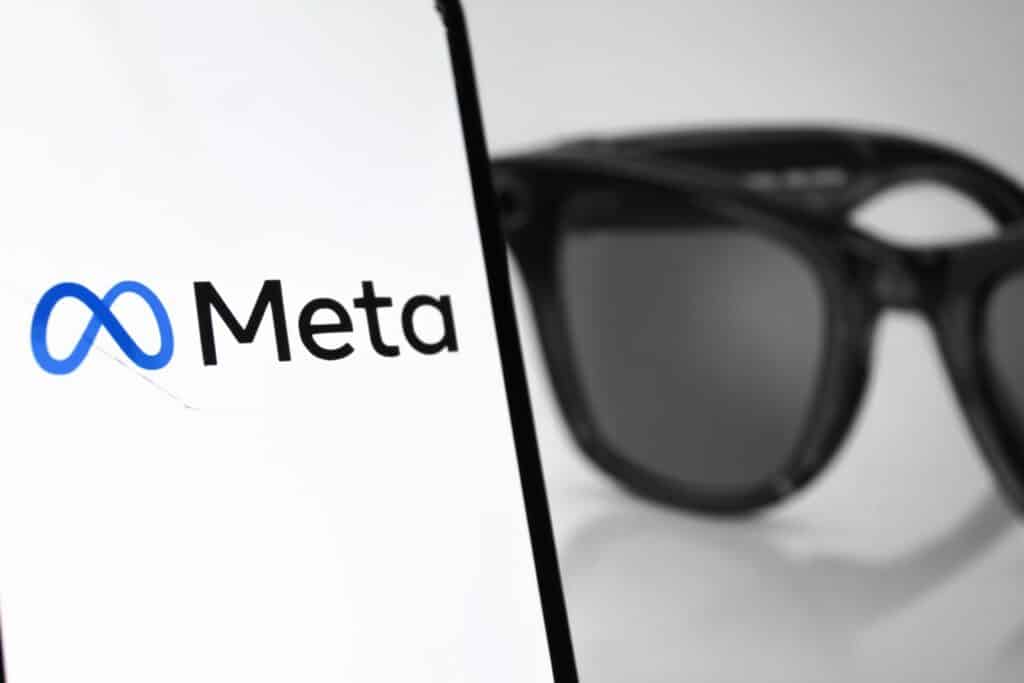
Meta’s plan for facial recognition smart glasses is facing more opposition from civil society.
More than 70 organizations have called on the tech company to “immediately halt and publicly disavow” its plans to deploy facial recognition features on its Ray-Ban and Oakley glasses, including a feature known as “Name Tag” that would reportedly allow users to identify people.
The letter was signed by groups such as the American Civil Liberties Union (ACLU), Electronic Frontier Foundation (EFF), Electronic Privacy Information Center (EPIC) and Access Now. It asks Meta to publicly disclose any known instances of its wearables being used for stalking, harassment, or domestic and sexual violence, as well as any discussions and plans with law enforcement agencies such as U.S. Immigration and Customs Enforcement (ICE) and U.S. Customs and Border Protection (CBP) related to wearables.
The letter also calls on the tech giant to stop opposing privacy legislation that would require Meta to obtain explicit user consent before collecting or processing biometric data. According to a 2025 New York Times report, Meta restructured its privacy risk review process by laying off more than 100 employees and replacing most manual reviews with automated systems.
The company introduced the process after receiving a US$5 billion fine from the Federal Trade Commission (FTC) in 2019 for undermining users’ privacy preferences. Meta also agreed to pay roughly $2 billion in settlements for unauthorized collection and misuse of user biometric data after privacy lawsuits in Illinois and Texas.
“Consumers have no reason to trust Meta to manage the complex social and political problems created by consumer-facing facial recognition tech,” the letter says. “ A company with this track record should be working to earn back public trust – not looking for creative ways to exploit our current political crisis by deploying the next iteration of the same technology it was just recently forced to abandon.”
News of Meta’s plan to include facial recognition in its smart glasses broke out in February. In an internal memo, the company noted that the current situation in the U.S. was a good time for the feature’s release.
“We will launch during a dynamic political environment where many civil society groups that we would expect to attack us would have their resources focused on other concerns,” says the document.
The news caused a backlash among lawmakers and civil society organizations. EPIC sent letters to the FTC and state enforcers requesting a prompt investigation, while Democratic senators urged Meta to explain how it would obtain consent, handle biometric data, test for bias and prevent misuse.
Earlier in April, a coalition of more than 60 civil organizations led by the Consumer Federation of America and UltraViolet Action, wrote to the U.S. Congress to oppose the company’s plans, citing numerous reports of misuse of Meta’s smart glasses.
The latest letter shares similar arguments, noting that facial recognition built into consumer eyewear represents a serious threat to privacy and civil liberties, particularly for marginalized and vulnerable groups.
“People should be able to move through their daily lives without fear that stalkers, scammers, abusers, federal agents and activists across the political spectrum are silently and invisibly verifying their identities and potentially matching their names to a wealth of readily available data about their habits, hobbies, relationships, health and behaviors,” the letter notes.
Related Posts
-
 February 13, 2026
 -
May 9, 2025
-
 May 30, 2025
 -
 April 1, 2026
 -
 November 24, 2025
 -
 October 2, 2025
Article Topics
biometrics | facial recognition | Meta | Meta glasses | smart glasses | wearables

Comments