
Spain researchers giving iris detection the smart phone treatment: smaller, faster, better
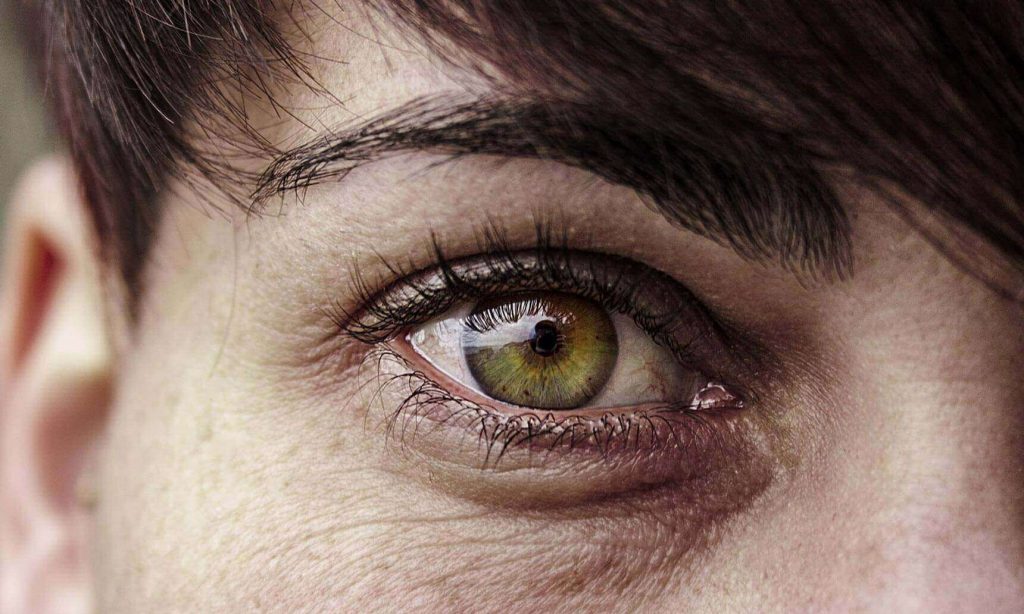
Researchers working with iris biometrics systems have created a scanner that is smaller, gathers more data faster, uses less electricity, operates in real time and is more accurate than commercial alternatives.
Those combined improvements have sparked aggressive market growth for every successful mobile electronic device ever.
Its inventors, from the University of Málaga in Spain, see roles for their device in biometric identification, driver-fatigue detection and related functions.
The scientists describe their iris recognition work as a “highly parallel, single-pass, image-process” redesign of the often-used Viola-Jones object-detection framework.
They say in a new paper that their biometric hardware and software are 100 percent accurate in detecting an eye without having to first locate a face. It works with a single high-resolution camera and captures images from people up to six feet away walk.
Convoluted neural networks are not required for feature extraction, though other machine learning is involved in setting up the internal parameters of the system’s classifier. Neural networks in this particular case, according to the paper, eat up apparently unnecessary amounts of computer resources and time.
The scientists incorporated an all-programmable, multi-processor system-on-a-chip.
The classifier processed of more than 88 frames per second when a labeling stage was used. Otherwise, the classifier took less than two milliseconds per image, processing 752 frames per second.
The school might want to contact the U.S. FBI, especially as it is bolstering its Next Generation Identification service. The service is sort of a biometrics toolbox, one that has 1.7 million iris images. The agency was reported to hold just over 400,000 sets of iris biometric templates in 2016.
A system like Málaga’s could radically accelerate the growth of the department’s database.
Article Topics
accuracy | AI chips | biometric identification | biometrics | iris biometrics | iris recognition | research and development

Comments