
Ghana delivers 190k digital IDs in six months amid illegal issuance concerns
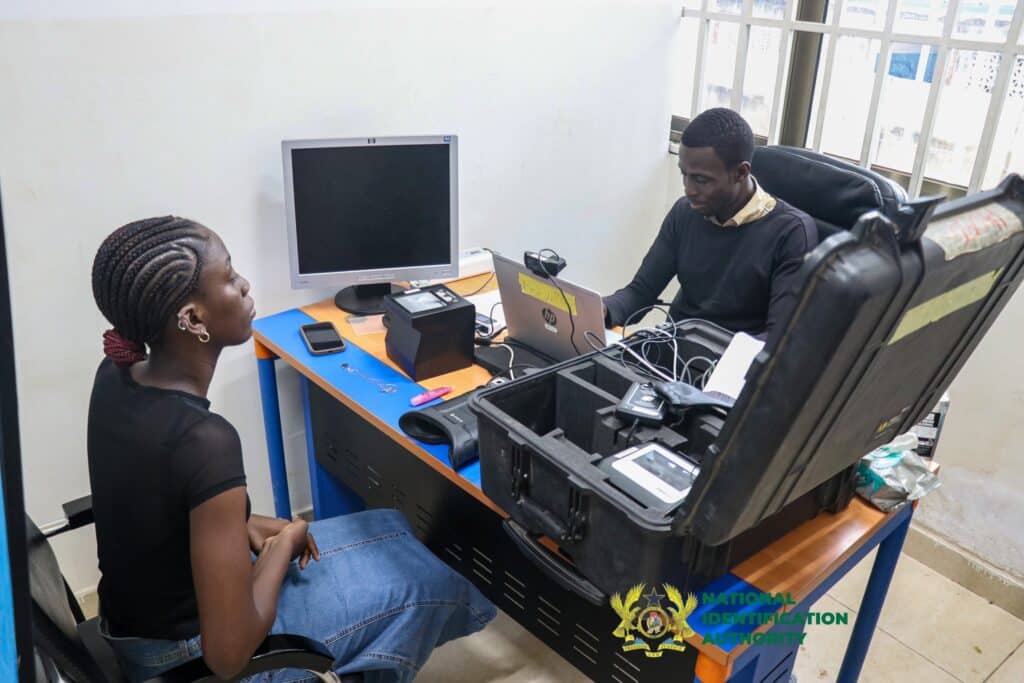
Ghana’s National Identification Authority (NIA) has issued a total of 190,775 national digital IDs (Ghana Cards) in the first six months of this year, taking the number of registered Ghanaians to more than 18 million.
This announcement comes amid allegations that the Ghana Card is being illegally issued to underserving foreigners, many of who use the cards to carry out fraudulent financial transactions, according to News Ghana.
Ghana issues the Ghana Card to foreign nationals, but only those who are legal residents. Of the over 18 million Ghanaians registered, 17.5 million cards have been successfully issued.
At a recent press conference, Interior Minister Mohammed-Mubarak Muntaka, explained the progress which the NIA has made with regard to issuance of the Ghana Card, My Joy Online reports.
He said some reforms introduced have led to expedient delivery of ID services, including the introduction of an online application system and free services for first-time ID applicants.
He noted that along with the growing issuance numbers, the NIA is also expanding its integration with other national systems in order to streamline service delivery. Among others, Muntaka mentioned integration with the national tax and revenue services, health insurance as well as social security agencies.
The minister also spoke to reporters about the success achieved in terms of clearing a huge backlog of national ID cards. “I can report that within the last six months, we made sure we had over 600,000 blank cards to make sure that all these backlogs are cleared,” he is quoted as saying. The NIA had received 700,000 blank cards in February for that purpose.
Allegations of Ghana Card issuance to foreigners
As issuance of the Ghana Card continues, there have been complaints that the integrity of the ID system is being tampered with by issuing the document to those who do not deserve it.
In a statement posted on his X account, the Executive Secretary of the NIA, Wisdom Yayra Koku Deku, said such information had come to his knowledge and they were treating it will all the seriousness it deserves.
“The matter is being taken seriously. Investigations have already begun, and any staff or individual found culpable will face the full rigours of the law,” Koku vowed.
He mentioned the case of a Nigerian who was recently sentenced for attempting to obtain the Ghana Card via fraudulent means. “Thirteen (13) others are currently being prosecuted for similar offences. These cases reflect the active collaboration between NIA and the security agencies to protect the integrity of our system,” he noted.
While reiterating that measures have been put in place to protect the integrity of the Ghana Card, he called on the general public to report any information regarding fraudulent card holders to the competent authorities for action.
NIA emphasises use of dedicated IDV platform to fight fraud
Following the rise in ID fraud, the NIA issued a reminder this month urging institutions to use the official Identity Verification System Platform (INIA IVSP) to verify national ID cards.
In the statement, the ID authority cautioned against verifying ID cards by just physical inspection or photocopying, a practice which it said “poses significant risks and has contributed to the unfortunate circulation and use of fake Ghana Cards by unscrupulous individuals.”
“The NIA wishes to remind all institutions that physical inspection or photocopying alone is not a secure or sufficient means of verifying the authenticity of the Ghana Card. Institutions are therefore strongly cautioned to desist from this practice and are urged to onboard onto the NIA IVSP as the only approved and secure method for real-time identity verification.”
Stakeholders in the banking sector early this year also emphasized biometric verification for the Ghana Card in the wake of reports of a surge in banking fraud.
Related Posts
-
 May 22, 2025
 -
 February 26, 2025
 -
 January 6, 2025
 -
November 20, 2024
-
 April 24, 2025
 -
 March 17, 2025
Article Topics
biometrics | digital ID | fraud prevention | Ghana | Ghana Card | identity document | identity management | identity verification | National Identification Authority (NIA)

Comments