
Rwanda National Identification Agency begins digital ID enrollment
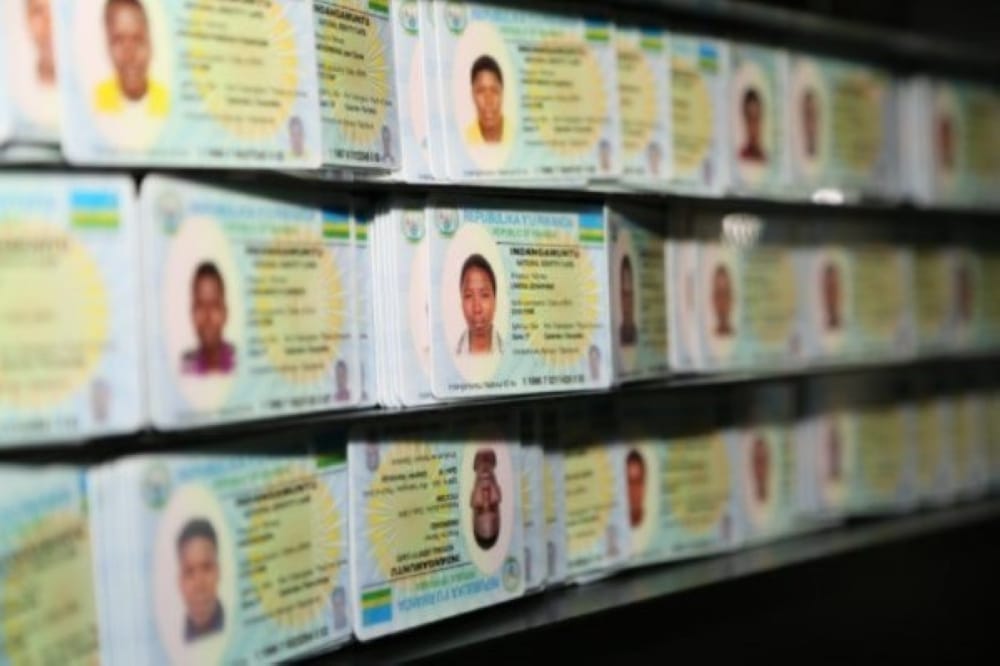
Some Rwandans have begun registration ahead of the rollout of the country’s new national digital ID billed for 2026.
The National Identification Agency (NIDA) launched nationwide registration on August 7, but biometric capture is expected to kick off in Mid-September, The New Times quoted NIDA Director General, Josephine Mukesha, as saying.
An ongoing international trade fair at the Gikondo community center in Kigali, slated to run till August 17, is affording many people the opportunity to get registered for the digital ID.
“It [the digital ID] doesn’t get lost and it’s not necessary that you walk with it, and it gives us the right to control what information to share and when, and even to stop sharing if necessary,” Mukesha said, as quoted by RadioTV10, during the launch of the registration drive.
Rwanda’s new digital ID comes within the framework of the Single Digital Identification System (SDIS) project started in earnest in 2023 with a legislative amendment. It is estimated to cost around $38 million upon completion.
The project is aimed at providing every citizen, refugee, and foreign resident in Rwanda with a secure biometric digital identity, which will facility access to a wide range of public and private sector services. It is part of the country’s broader digital transformation plan which is making gains in the area of connectivity.
To support the digital ID enrollment efforts across the 2025-2026 fiscal year, the government recently announced the allocation of about $8.5 million.
According to the government, the new digital ID system will not only streamline access to digital services, but will also enhance national security. The ID is expected to be in the form of a physical card, a digital version and an authentication number which can be used to access online services. That number will be unique and assigned to an individual for life, unlike with the old system where citizens have had to be issued different ID numbers for card replacements, according to KT Press.
A key feature of the SDIS, as explained by authorities, will be an Automated Biometric Identification System (ABIS) that will play the three-fold role of deduplicating the biometric database, facilitating biometric identification in real time and supporting the eventual printing of biometric digital ID cards.
Authorities are asking citizens to cooperate for the successful unfolding of the exercise. In this regard, the government is looking forward to a nationwide campaign to sensitize citizens to the importance of the digital ID project and why they should contribute to its success.
NIDA says once the core architecture of the digital ID system is set up, existing cards of the old generation will be withdrawn and phased out.
Related Posts
-
 January 2, 2025
-
 March 24, 2025
-
 May 22, 2025
-
 July 21, 2025
-
 January 27, 2025
-
 August 7, 2025
Article Topics
Africa | biometric enrollment | biometrics | digital ID | identity management | national ID | National Identification Authority (NIDA) | Rwanda

Comments