
Sri Lanka digital ID project in final stage: Digital Economy Deputy Minister
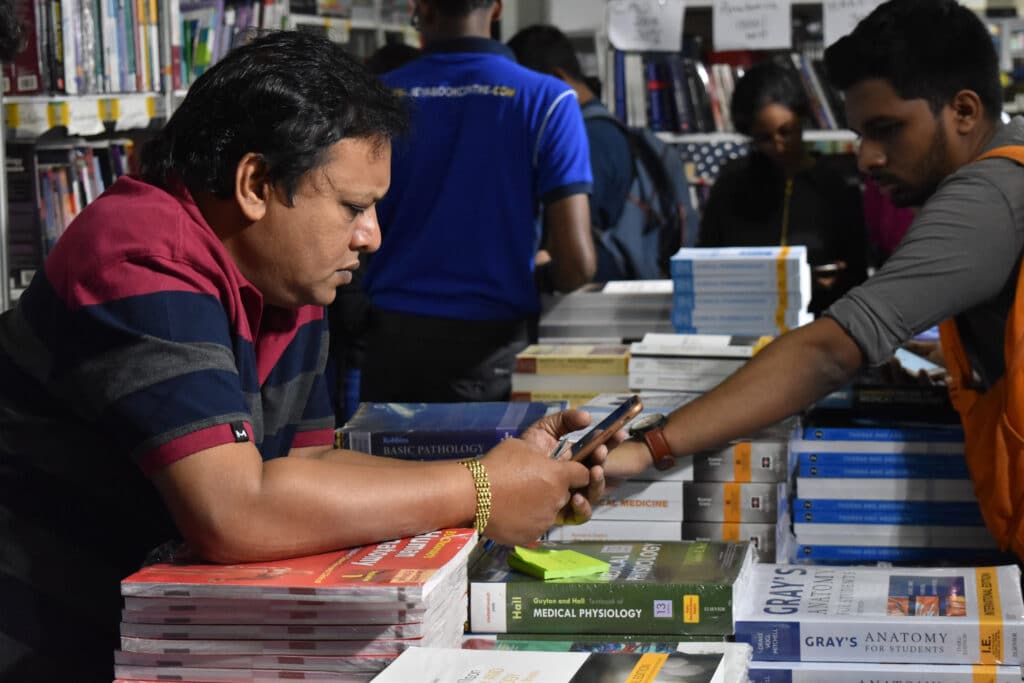
Sri Lanka will roll out its biometric digital ID by the end of this year, a top minister told a media briefing last week.
“While efforts to digitise identity have been happening since 2012, recent administrative progress has finally brought the project to its final stages,” said Deputy Minister of Digital Economy Eranga Weeraratne. “The upcoming national digital identity system is designed to fundamentally change how citizens interact with the state by using biometric security to enable ‘peopleless’ interactions.”
Weeraratne noted that the procurement process for the SL-UDI Master System Integrator (MSI) will conclude next month, and the third or fourth quarter of this year will see the first digital IDs distributed.
The minister noted that the new digital ID will incorporate biometric data, ensuring precise identity verification. “These will be encrypted with multi-layer security to ensure precise 100 percent identity verification. By allowing remote identity verification and electronic Know Your Customer (e-KYC) processes, the system will minimize the need for citizens to physically visit government offices for services such as banking, welfare, and official documentation.”
The Sri Lankan government committed 35.6 billion rupees (approximately US$120 million) in its 2026 Budget to enhance digitization across various sectors, aiming to establish a national digital identity system and data exchange platform. President Anura Kumara Dissanayake highlighted the potential for Sri Lanka to become a regional leader in data centers, advocating for investor incentives such as financial support, green energy promotion, and low-cost electricity at the budget speech last year. He assured the public about the safety of their personal information amid concerns. “This is a move that promises to revolutionize access to public services while ensuring strong data privacy and citizen protection,” he told parliament.
This shift is poised to revolutionize governance by minimizing the necessity for citizens to visit government offices in person.
A mobile application called “e-Locker” and a corresponding “Super App” are being developed to enable access to multiple state services in a single digital interface.
“We have already completed the first phase of procurement and are moving into the development stage,” Weeraratna said.
Related Posts
-
 September 17, 2025
 -
 February 17, 2026
 -
 August 29, 2025
 -
August 1, 2025
-
 August 20, 2025
 -
 November 10, 2025
Article Topics
biometrics | digital ID | digital identity | remote identity proofing | SL-UDI | Sri Lanka | super app

Comments