
Wisecube debuts hybrid scanner that verifies physical IDs and mDLs

Wisecube has launched a desktop ID scanner that combines physical document authentication with mobile driver’s licence (mDL) verification. Oneproof is providing its embedded SDK to power the mDL capability.
The WiseScan600V supports the ISO/IEC 18013‑5 standard that underpins mDL interoperability. Instead of a companion app or a separate reader, the device embeds Oneproof’s verification SDK, which enables it to authenticate a physical licence and verify an mDL in the same scan.
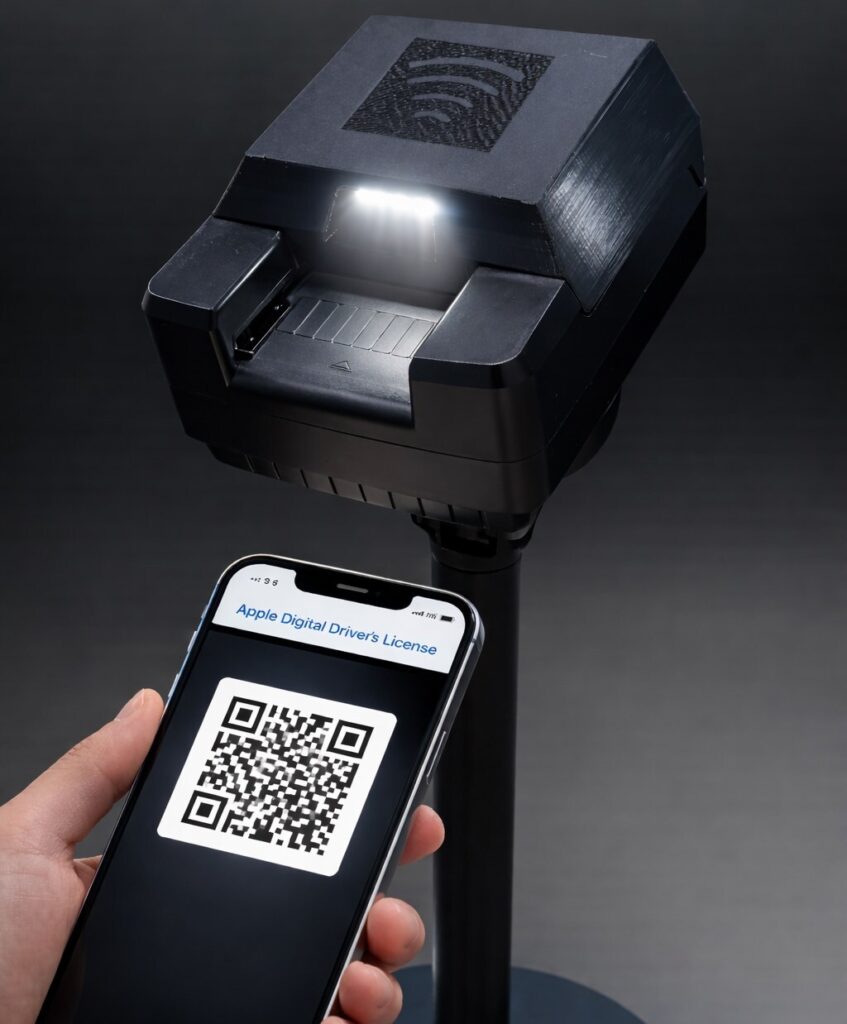
This approach brings together optical document checks and digital credential validation in a single workflow. “By integrating ONEPROOF’s Embedded SDK directly into our scanner, we’ve built the industry’s first device with embedded mDL support delivering the speed, accuracy, and compliance that enterprises demand,” says Jongkook Lah, Wisecube CEO.
A greater number of jurisdictions have introduced or are preparing mDL programmes, creating operational challenges for entities that must handle both formats. But identity checks should be a simple, routine affair when it’s needed, and the general public expects convenience.
“Mobile driver’s licenses are rapidly becoming mainstream,” says Madhu Goundla, Oneproof CEO, “and businesses need simple, reliable hardware to accept them.” A unified scanner potentially streamlines verification in sectors such as age‑restricted retail, hospitality, gaming, entertainment venues and public‑sector services.
Organizations are planning for a transition period in which both physical and mobile formats coexist, the WiseScan600V represents an example of hardware designed specifically for that hybrid environment.
Oneproof claims its platform is North America’s largest mDL verification network. It also serves customers in Australia and international markets. CEO Goundla said markets need an “expandable platform” to take advantage of automation and greater capabilities.
“With traditional physical IDs, it’s hard to verify someone’s identity and bring that data into workflows,” he said, after announcing Edge, a USB Type-C device that validates digital credentials.
“But with digital identity, you can do so much more than just verify someone’s identity, and you can take customer service to the next level.”
Related Posts
-
 September 9, 2025
 -
 January 13, 2026
 -
 January 21, 2026
 -
 January 7, 2026
 -
 July 23, 2025
 -
 February 11, 2026
Article Topics
digital ID | document verification | mDL (mobile driver's license) | mDL verification | Oneproof | WISeKey

Comments