
Gender gaps threaten progress on global legal identity goals, Vital Strategies CEO warns
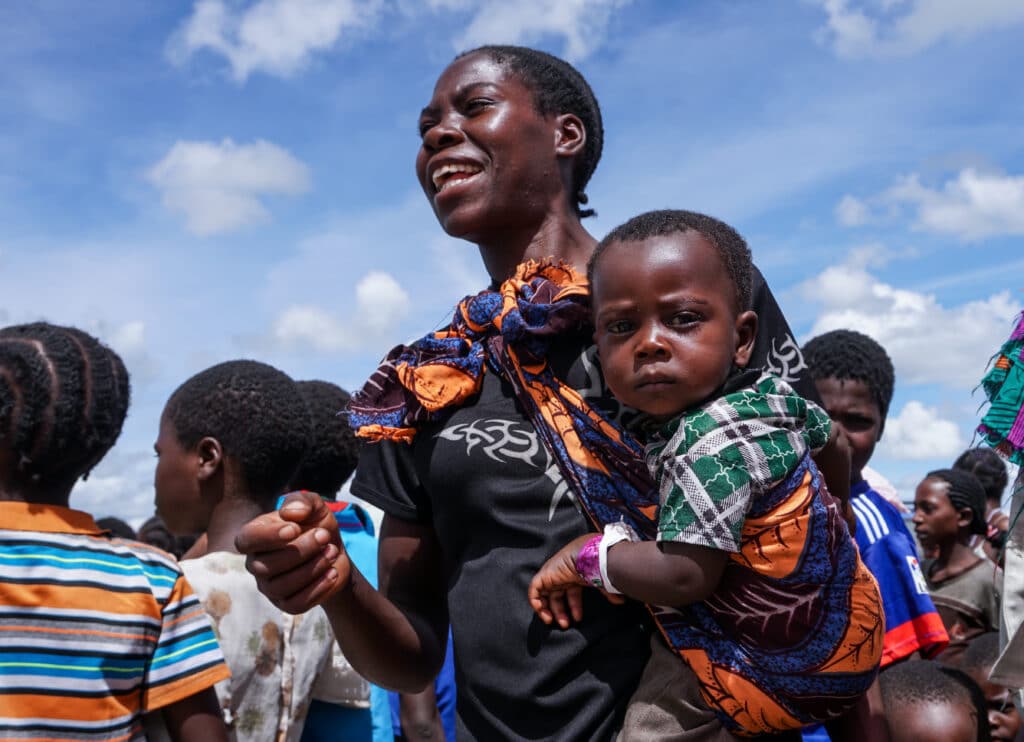
As countries work toward universal legal identity under SDG 16.9, greater focus on gender inclusion is needed to ensure women and girls are not left behind.
That is the message from Mary-Ann Etiebet, President and CEO of Vital Strategies, who argues that legal identity systems must be designed to reach those most at risk of exclusion.
In a recent paper, Etiebet acknowledges global progress in birth registration, but highlights persistent gaps in Sub-Saharan Africa and the disproportionate impact on women and girls.
“The consequences of remaining unregistered and unrecognized fall hardest on girls,” she writes and that “inequities follow girls into womanhood, limiting their rights and benefits, including marital protections such as spousal support or inheritance, financial inclusion, voting, and universal health coverage.”
According to Etiebet, one of the action points governments must engage as they pursue their legal and digital identity plans is to make sure everyone is counted, and the best way to do so is to digitize birth registration systems to make them accessible even to people in the remotest communities.
Etiebet goes on to say that digitizing birth registration is not enough at this point. To her, countries must go a step further by linking these civil registration systems with their national identity ecosystems in an integration move that can make identity management more sustainable.
Thailand and Vietnam are cited as good global examples in the integration of birth registration and national ID. With regard to African countries, she mentions the likes of Ethiopia, Kenya, and Rwanda, where efforts in this regard are said to be far advanced.
In Rwanda, for instance, Etiebet praises how the country saw a massive jump in birth registration from 63 percent in 2016 to 94 percent two years ago, following the digitization of the process. The country has also made efforts in linking children’s health data to their identity registration details so that primary health workers can easily follow up on things like routine vaccination schedules.
To better remove barriers to inclusion, Etiebet also urges countries to make digital ID a part of digital public infrastructure (DPI) ecosystems that enable full and unrestricted access to a wide range of public services.
According to her, it is not just about building a DPI ecosystem, but doing so in a manner that reduces rather than exacerbates inequalities. She also appeals that for DPI to make sense, countries must ramp up their efforts in the fight against invisibility, with closer attention paid to women and their rights in order to guarantee all of their other rights.
Meanwhile, a recent analysis by two staff members from Vital Strategies decried the failing nature of digital health systems and called for more inclusion in the design process. To them, a human-centered approach seems to be a workable option which can make those systems better used, trusted, and relevant to the realities they intend to address.
Related Posts
-
 September 16, 2025
 -
 June 6, 2025
 -
 October 2, 2025
 -
 April 8, 2026
 -
 June 4, 2025
 -
 October 20, 2025
Article Topics
birth registration | digital identity | digital inclusion | legal identity | SDG 16.9 | Vital Strategies

Comments