
Bosnia moves toward nationwide biometric voting for 2026 elections
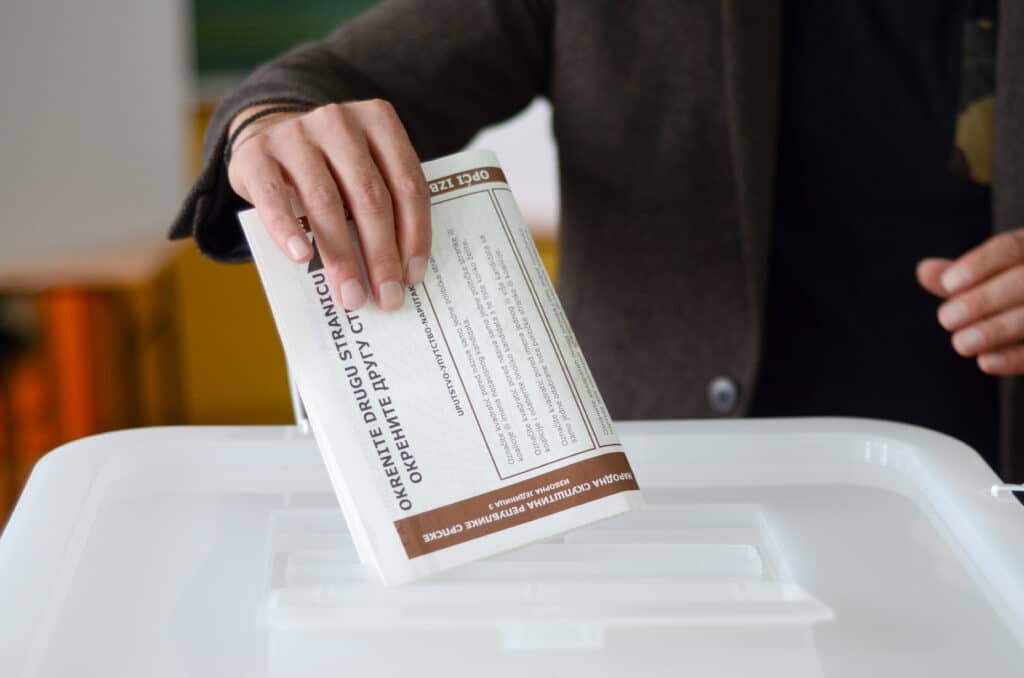
Bosnia and Herzegovina (BiH) is preparing to introduce biometric-based voting for the first time in its 2026 general elections. Technical support for the biometric voting rollout will be provided by Bosnia’s Agency for Identification Documents, Registers and Data Exchange (IDDEEA), operator of the country’s e-IDDEEA digital identity platform.
The rollout reflects a broader global trend toward biometric election infrastructure as governments seek to reduce identity fraud, duplicate voting and ballot manipulation through digital verification systems.
The Central Election Commission awarded multiple contracts covering biometric voter identification, ballot scanning and data exchange infrastructure for the 2026 vote.
The seven-month contract for a biometric data matching system was awarded to a consortium of two local companies, I biznes and Etiris, and is valued at 769,200 convertible marks excluding VAT (US$456,206). A separate contract for a data exchange module between IDDEEA and the Central Election Commission, worth 73,000 convertible marks ($43,295), was awarded to Artko Group, according to news outlet Provjereno.
Earlier this week, the Commission also signed a 74.5 million BiH convertible marks ($44.1 million) agreement with Smartmatic BH to procure a biometric voter identification and ballot scanning system for use at polling stations across the country. The deployment will include 6,000 biometric voter identification devices and 6,000 ballot scanners installed at polling stations nationwide.
The 2026 Bosnian general elections are scheduled for October 4th. Authorities say the biometric system is intended to reduce duplicate voting, voter impersonation, ballot misuse and signature fraud.
The Balkan country has been grappling with voter fraud for years. Several recent court rulings confirmed widespread identity theft and the casting of votes on behalf of absent voters. Transparency International has cautioned, however, that technology alone cannot prevent political pressure, threats to voters, or vote-buying.
Bosnia is introducing biometric voting following amendments to the Election Law in 2024 introduced by international high representative Christian Schmidt. The technology was piloted for the first time during local elections on October 6th, 2024.
During pilot deployments in the 2024 local elections, IDDEEA reported successful biometric authentication for 96 percent of voters at participating polling stations. The project was carried out in collaboration with the Central Election Commission and with financial support from the EU Delegation and the Organization for Security and Co-operation in Europe (OSCE) Mission in Bosnia.
A survey by the U.S.-based National Democratic Institute (NDI) found that more than 80 percent of Bosnian citizens support introducing new technologies into the electoral process, while more than 60 percent believe they will reduce electoral manipulation.
The rollout positions Bosnia among a growing number of countries integrating biometric identity systems directly into national election infrastructure.
Related Posts
-
 September 4, 2025
 -
 July 21, 2025
 -
 June 3, 2025
 -
 April 29, 2026
 -
 October 10, 2025
 -
 July 31, 2025
Article Topics
biometrics | Bosnia and Herzegovina | elections | fraud prevention | Identity and Data Exchange Agency of Bosnia and Herzegovina (IDDEEA) | Smartmatic | voter identification

Comments