
Detained immigrants sue Trump administration over biometric policy
A group of six immigrants in U.S. detention filed a class-action lawsuit against the Trump administration over a biometric policy they say creates an unlawful procedural trap for noncitizens seeking to pursue pending immigration applications.
The lawsuit was filed against the Department of Homeland Security (DHS) and challenges what the plaintiffs say is a policy that effectively prevents detained immigrants from accessing lawful immigration processes.
Filed in the U.S. District Court for the District of Columbia, the lawsuit challenges a policy that allegedly bars detained migrants from completing biometric collection while still allowing the government to deny their applications for failing to complete that same requirement.
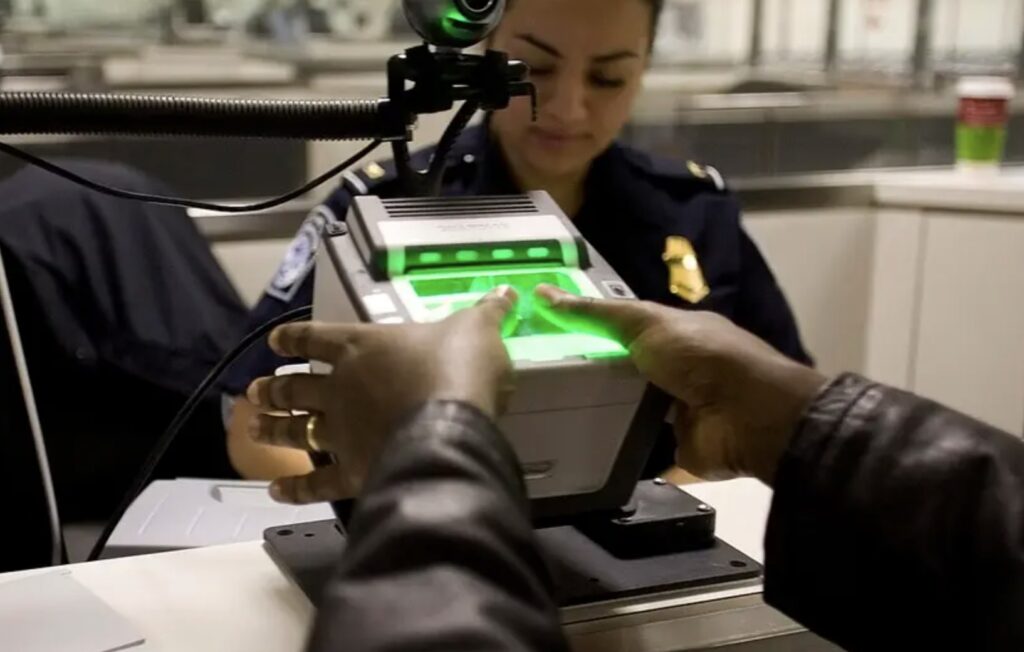
The case centers on the government’s use of biometrics, including fingerprints and photographs, as a required step in many immigration applications.
According to the lawsuit and advocacy groups supporting the plaintiffs, detained noncitizens with pending applications are being prevented from completing biometric processing, even though those biometrics are necessary for the government to continue adjudicating their cases.
A December U.S. Citizenship and Immigration Services [USCIS] update of its Policy on Biometrics for Detainees says it “does not approve requests to collect biometrics from aliens or other persons who are detained or incarcerated in any jail.”
At the same time, the lawsuit alleges USCIS is denying applications when biometrics have not been submitted, which the plaintiffs argue creates a “Catch-22” situation.
Immigration applicants are required to submit biometrics, but if they are in detention, the government blocks them from doing so. Their applications can then be denied because they did not complete the biometric step.
Democracy Forward, which announced the litigation, said the lawsuit seeks to block the policy because it keeps noncitizens with pending immigration applications from completing biometric collection.
The organization characterized the policy as one that forces automatic denial of applications by making compliance impossible for people held in immigration detention.
The plaintiffs contend that the government cannot require biometric submission as a condition of processing applications while simultaneously refusing to make that collection available to detained applicants.
In their view, the policy converts detention into a barrier to legal relief by making it impossible to satisfy a mandatory administrative requirement.
The case highlights the expanding role of biometric systems in immigration enforcement and immigration benefits adjudication.
Fingerprints and photographs are commonly used to confirm identity, conduct background checks, and determine whether an applicant is eligible for a benefit or form of relief.
But the lawsuit argues that when access to biometric collection is denied, the system ceases to function as a verification tool and instead becomes a procedural obstacle.
The plaintiffs are seeking class-action relief, meaning the case is intended to cover not only the named plaintiffs but also similarly situated detained noncitizens who have pending immigration applications and are unable to complete required biometric processing.
The lawsuit seeks to stop the challenged policy and to require the government to allow detained applicants to complete the biometric steps needed for their cases to proceed.
The suit fits within a broader wave of litigation challenging Trump administration immigration policies, but its focus is narrower and more technical than many high-profile detention or deportation cases.
Rather than challenging detention itself, the plaintiffs are challenging a procedural mechanism that they say prevents detained people from completing applications that may affect whether they can remain in the U.S. lawfully.
That distinction is important because the lawsuit does not appear to dispute the government’s general authority to collect biometrics in immigration cases. Instead, it challenges the alleged refusal to provide a pathway for detained applicants to comply with a biometric requirement that the government itself imposes.
The plaintiffs’ argument is that the government cannot make biometrics mandatory and then use detention to make compliance unavailable.
If successful, the lawsuit could force DHS to change how it handles biometric collection for detained noncitizens with pending immigration applications.
That could include restoring access to fingerprinting and photo collection for people in custody or preventing automatic denials when the failure to complete biometrics is caused by the government’s own detention and processing policies.
For immigration advocates, the case is an example of how administrative rules can have the same practical effect as more visible enforcement policies.
By blocking a required processing step, they argue, the government can prevent detained immigrants from advancing claims for lawful status or other relief without directly denying the merits of those claims.
The litigation will likely turn on whether the court agrees that the policy unlawfully prevents detained applicants from complying with federal immigration procedures.
Related Posts
-
 September 9, 2025
 -
 January 7, 2026
 -
 February 3, 2026
 -
 April 29, 2026
 -
 June 4, 2025
 -
 July 7, 2025
Article Topics
biometrics | border security | DHS | immigration | lawsuits | U.S. Government | United States | USCIS

Comments