
UK boosts digital transformation spending with increased DSIT funding
The UK government’s Department for Science, Innovation & Technology (DSIT) has released its Main Estimate memorandum for 2026 to 2027, laying out how the department spends its budget – which will increase significantly this year.
DSIT’s resource budget will increase by £242.3 million and its capital budget by £722.9 million, compared with the 2025-26 Supplementary Estimate.
The memo allocates £361.9 million in Resource Departmental Expenditure Limit (RDEL) and £202.5 million in Capital DEL to “Government Digital Function.” Building Digital UK, the government’s digital infrastructure initiative, gets £33.2 million in RDEL and £648.3 million in CDEL.
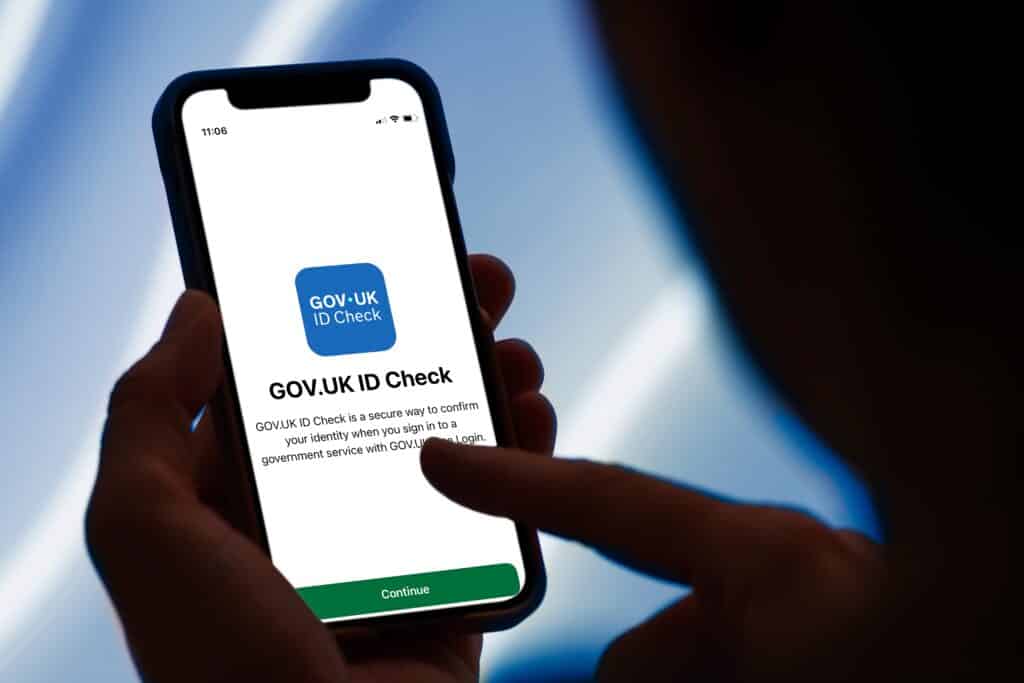
The funding reinforces the government’s commitment to GOV.UK One Login as the primary identity and authentication platform for accessing central government services. The memorandum describes One Login as the single account, sign-in and identity verification solution for government services, replacing a fragmented landscape of departmental systems.
A variety of factors influence spending changes from last year. Notable for the biometrics sector is a £134.8 million increase in Government Digital Service budgets, including £60.0 million for One Login, “reflecting further enhancement of GOV.UK App and Chat functionality, development of GOV.UK Mailbox, and investment in developing interoperability and personalisation between digital platforms.”
A further £38.0 million will fund an increase in Public Sector AI initiatives, including Gov Voice, Customer First and AI Big Bets and innovation, and National Data Library. The remainder is for Digital Centre core responsibilities.
Streamlined access will reduce costs, reduce fraud risks, enhance inclusion and improve user experience, “ensuring it remains the ‘market-leading’ account and identity verification solution across government.”
Build a market, knock it down
That declaration will likely not sit well with private sector vendors certified under the government’s Digital Verification Services (DVS) trust framework. The sector has already expressed concerns that a government solution would have an unfair advantage over the private digital identity providers the government helped incubate, promising economic growth.
The caveat that GOV.UK covers only government services will not alleviate concerns about, for instance, mobile driver’s licenses (mDL) – government-issued ID, which would fit naturally into a government wallet.
The memo does not make direct reference to “digital ID” or “digital identity.” But it easy enough to imagine how a government identity solution aiming to lead the market it developed might lead to an erosion of that market. Many users will default to the logic of “the government already has my ID” – a cheat code to the public trust that private digital ID providers have worked hard to build from scratch.
Infrastructure, AI see major investment
Success for the government’s digital platforms also means investment in infrastructure, with a £161 million increase in capital funding for Building Digital UK (BDUK), reflecting continued investment in broadband connectivity.
The DSIT memo states its intention to “invest in digital transformation across government, supporting delivery of digital public infrastructure, replacement of legacy systems and deployment of productivity‑enhancing AI tools across the public sector and continuing the delivery of the National Data Library, providing secure, ethical access to public data assets to support research, innovation and improved public services.”
It is among several AI-focused initiatives, as the tech comes to the fore of government investment. As the UK aims to deliver on its Digital Blueprint for Government, it foresees RDEL “increasing as mature services move from development into live operation.”
The spending plans suggest that digital identity, digital public infrastructure and AI-enabled public services are moving from pilot projects to core components of UK government operations, with One Login remaining at the center of that strategy.
Related Posts
-
 July 16, 2025
 -
 March 10, 2026
 -
 August 19, 2025
 -
 July 21, 2025
 -
 March 20, 2026
 -
 June 27, 2025
Article Topics
biometrics | Department for Science Innovation and Technology (DSIT) | digital government | digital ID infrastructure | Gov.UK | interoperability | One Login | UK digital ID

Comments