
Australian state contracts Unisys to deploy iris and face biometrics in prisons for $12.8M
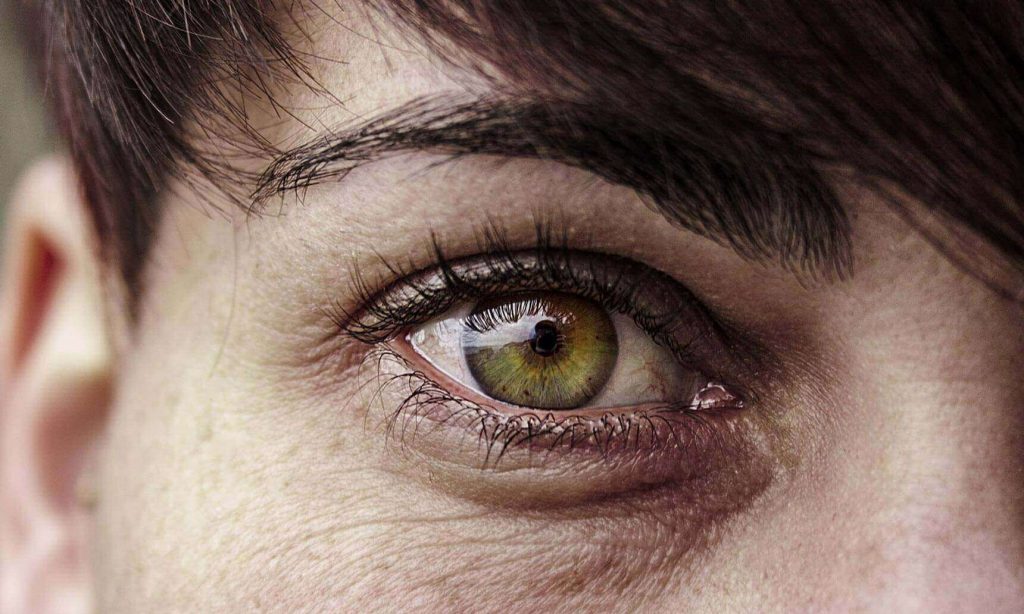
The New South Wales (NSW) government in Australia has entered a $12.8 million contract with American IT firm Unisys to roll out new facial recognition technology in the state’s prisons.
According to InnovationAus, the Unisys system will replace the existing touch devices for identification with multimodal contactless scanners able to capture and process iris and face biometrics simultaneously.
“The replacement biometrics system will allow for faster processing at all stages of the identification process,” a spokesperson told InnovationAus.
“This will provide a better experience for all people as they enter and exit correctional centers and will support the safety and security of those individuals.”
Those individuals include visitors to the state’s 16 correctional facilities. The Corrective Services NSW spokesperson declined to specify to InnovationAus if the biometric system performs one-to-one identity verification, or one-to-many identification, citing security considerations.
The Unisys contract is also reportedly aimed at enabling the NSW government to achieve a longer-term financial gain of a 12.2 percent reduction in operational expenditure through the “state of the art and leading edge” system, as per the contract notice seen by InnovationAus.
The rollout of the new biometric system is scheduled for competition in early 2023, but it comes amidst tensions in Australia regarding the adoption of face recognition technologies.
Former Australian Human rights Commissioner Ed Santow, who is now a professor at the University of Technology Sydney, says facial recognition is not appropriate for use in prisons. He has cautioned against the deployment of the technology by prisons or law enforcement in the absence of legal safeguards specific to biometrics.
Beyond the NSW partnership, Unisys was selected by Vision-Box for two digital workplace solutions to support its biometric smart gates at 10 Australian international airports and New Zealand’s busiest airport.
Related Posts
-
 March 29, 2024
 -
September 1, 2023
-
 November 13, 2023
 -
 August 7, 2023
 -
 December 12, 2023
 -
 June 27, 2023
Article Topics
Australia | biometric identification | biometrics | contactless biometrics | face biometrics | government purchasing | iris biometrics | law enforcement | multimodal biometrics | New South Wales (NSW) | prisons | Unisys

Comments