
Philippines confirms national ID held by 80% after biometric deduplication
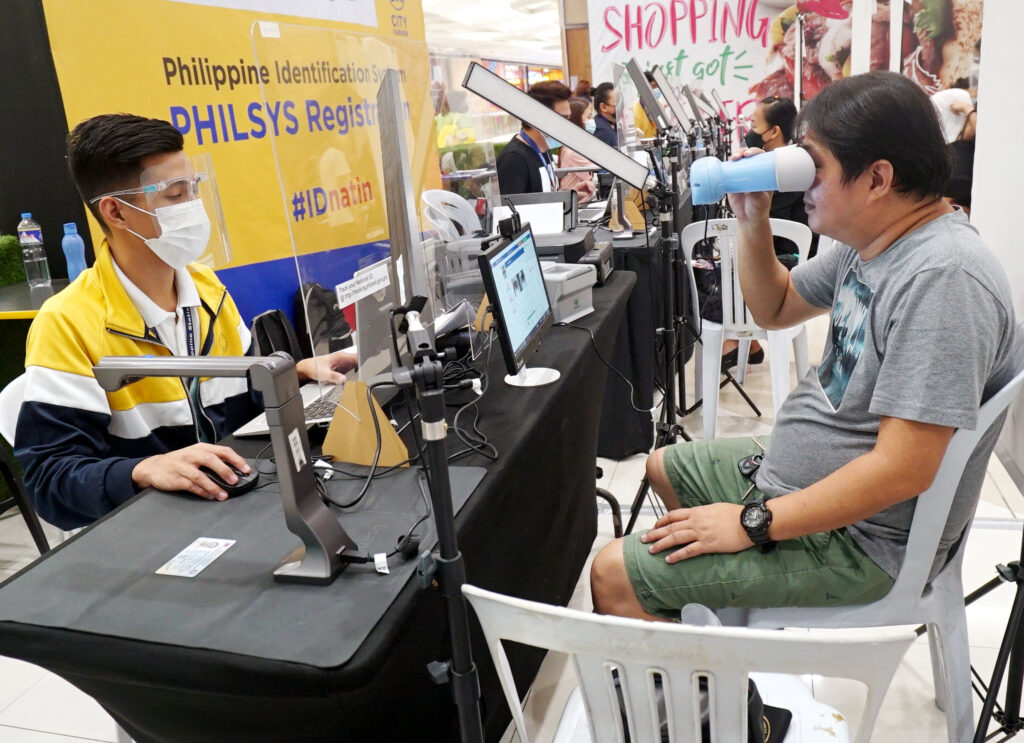
The Philippine Statistics Authority (PSA) says more than 90 million Filipinos have now been registered and verified in the national ID system. As of October 31 2025, the PSA has generated 90,290,024 permanent serial numbers (PSNs), the unique identification numbers tied to each National ID.
This figure represents about 80 percent of the population whose demographic and biometric data have been confirmed as unique through the system’s deduplication process. Only after this verification step is a PSN issued, which is required for the creation of both the physical national ID card and its digital counterpart used for online authentication.
PSNs were previously referred to as PhilSys numbers, the ID card as PhilCard and the digital ID credential as ePhilID.
“While we have successfully registered and verified the majority of Filipinos, we continue to encourage others to register to the National ID — a process that remains easy, convenient, and free of any charge for all,” said PSA Undersecretary Clair Dennis S. Mapa, National Statistician and Civil Registrar General.
The PSA has warned against double registration, explaining that duplicates can cause delays and undermine the integrity of the registry. A clean database is essential for the integration of the national ID with institutions across government, finance and social protection.
In the national ID system, registration begins when citizens submit their demographic and biometric data at PSA centers. Once collected, these records undergo verification through a biometric deduplication process, where the system cross-checks information to confirm that each entry is unique. Only after this step is a Permanent Serial Number (PSN) issued.
The PSN serves as the permanent identifier required for both the physical national ID card and its digital counterpart. The digital ID, linked directly to the PSN, functions as an electronic credential that enables secure online authentication and transactions.
Assistant Secretary Rosalinda P. Bautista of the PhilSys Registry Office stressed that verified uniqueness of demographic and biometric information strengthens trust in identity checks, making transactions more reliable for Filipinos. The PSA had originally aimed to register the entirety of the population in 2025. The population of the archipelagic country is around 118 million, spread across its many islands.
The Southeast Asian country’s president Ferdinand R. Marcos Jr has spoken on the practical benefits of digital transformation for citizens. The Philippines is pursuing digital public infrastructure, digital economy, and hosted MOSIP Connect 2025 in Manila in March, where officials talked through their challenges and successes in bringing about digitalization.
The president highlighted the National Fiber Backbone (NFB) to provide 17 million Filipinos faster and more reliable internet access. The NFB is due for completion by 2028. The Philippine Identification System, including the digital national ID, was named as a way to make financial services more accessible.
Institutions interested in onboarding with the national ID system can reach the PSA through designated email channels or via the PhilSys eVerify portal at http://everify.gov.ph. Meanwhile, registration centers across the country remain open for walk-ins, with details available at philsys.gov.ph.
Related Posts
-
 April 4, 2025
 -
 July 14, 2025
 -
 March 11, 2025
 -
 June 19, 2025
 -
 March 12, 2025
 -
 March 6, 2025
Article Topics
biometric enrollment | biometrics | civil registration | deduplication | digital ID | national ID | Philippines | Philippines Statistics Authority

Comments